

 Dec 2017


Tokyo Xanadu eX+ is the PS4-enhanced version of Nihon Falcom's urban-action RPG experiment, released in Japan in 2016 and localized worldwide in late 2017. The game started life on Vita in 2015 and was deliberately pitched as a modern, city-focused counterpoint to Falcom's fantasy staples (Ys and Trails). On PS4 the title promises better frame pacing, upgraded visuals and extra narrative content - essentially the theatrical director's cut of a JRPG that likes its lunchtime conversations as much as its dungeon stomps. If you care about tech as much as plot beats, the story behind the build is almost as interesting as the game: a studio known for 2D/handcrafted RPGs trying to marry that DNA with contemporary action combat and a Tokyo inspired by actual Tachikawa locales. This review will focus on the nuts-and-bolts: systems, performance, audiovisual pipeline and how the port choices shape player experience.
Tokyo Xanadu's mechanical DNA is a mix of Persona-style daily life structure and the combat tempo of Ys and Falcom's action RPG work. You alternate schooldays, social interaction and exploration with real-time, lock-on-capable hack-and-slash in dimensional dungeons called Eclipse. Combat runs on tight, action-oriented inputs: light/heavy attack chaining, evade and skill use, with characters functioning as specialized archetypes (martial artist, ranged genius, tanky ex-gang leader, etc.). The systems are deceptively deep because progression ties equipment, skill trees and character roles to your roster rather than a single protagonist. From a technical design perspective, that encourages build diversity without bloating the interface with overly granular stats. The game uses a party-swap method rather than simultaneous party control, so responsiveness per-character is crucial. On PS4 the inputs feel snappy - attack animations blend quickly into each other and dodge windows are forgiving, which is important because enemy encounter design favors groups and crowd-control threats (Greeds) rather than one-shot bosses. Dungeon architecture trades tight, combat-focused arenas with occasional open corridors. Eclipse spaces are segmented into encounter rooms connected by short traversal segments; enemy spawn patterns lean on wave-based encounters that stress area-of-effect tools. Boss encounters scale mechanically rather than by pure HP sponge - they introduce mechanics like stage transitions and summons (notably the Nine-tailed Fox and the Twilight Apostle in later content). The PS4 eX+ additions include side stories and an After Story, which double as functional endgame content: new encounters, altered enemy mixes and boss scripts lengthen the gameplay loop meaningfully rather than just tacking on cinematics. Progression systems are typical JRPG fare but integrated well. Equipment and skill unlocks reward exploration of Eclipse and completion of social interludes via the Xanadu Research Club. The smartphone mechanic in the UI is a nice touch: it centralizes mail, quests and social hooks in a diegetic overlay rather than an abstract menu. That design choice reduces cognitive load and keeps players oriented when juggling quest threads. From a pacing standpoint, the combination of social time and dungeon runs mimics the Persona loop but shifts the balance toward action - if you prefer heavy narrative to crunchy combat, there are long stretches of text and scripted scenes. For players focused on frame-rate-sensitive combat, the PS4 version's improved frame pacing notably reduces the input lag and animation stutter that could occasionally plague the Vita build. Localization and platform ports matter here: Aksys localized the Western release (Vita and eX+ later), and Ghostlight assisted the Windows port. That pipeline is visible in the UI text density and menu layout: the PS4 menus are denser and more readable at 1080p than on Vita, and the localization generally retains the original tone while staying concise in HUD-limited contexts. Load times on PS4 are short to moderate; not NVMe-fast, but comfortably out of the way for the game's encounter rhythm.
Graphically eX+ is an upgrade over the Vita original in two measurable dimensions: resolution/texture fidelity and frame-rate stability. Falcom increased texture detail, character model fidelity and environmental lighting on PS4, which makes the game look less like a 2015 handheld title and more like a contemporary console action RPG. The environmental design leans on modern Tokyo motifs - Morimiya is heavily inspired by Tachikawa and Falcom even modeled plaza elements after the real north exit - so the cityscapes use recognizable architectural props: station plazas, arcades, convenience stores and narrow alleys. These assets are reused across daytime social areas and nightmarish Eclipse instances with different post-processing passes. The Eclipse aesthetic trades the city's clear geometries for moody lighting, fog, and particle systems; that contrast is a core visual grammar of the game. Particles and bloom are used to great effect in skill FX and boss telegraphs, which helps readability during hectic fights. On PS4 the improved frame rate reduces motion blur and animation judder during these FX-heavy moments, directly improving combat clarity. Character animations are generally competent: combo animations flow and hit-reacts are satisfyingly immediate, which is critical for an action-oriented title. The character portraits and cutscene art remain a strong point, with higher-resolution art on PS4 lending scenes more emotional weight. There are trade-offs: the engine limits are visible in texture pop-in on some transitions and a certain repetitiveness in dungeon geometry. Shadow resolution is acceptable but not cinematic; ambient occlusion is used sparingly. Compared to AAA action RPGs, the visual budget is modest; but given Falcom's priorities - tight combat and dense narrative - the upgrades on eX+ are the right ones: more frame-rate headroom and clearer effects rather than whiz-bang ray-tracing that would do little for gameplay.
Tokyo Xanadu eX+ is a technically tidy upgrade and a coherent vision from a studio branching out of its fantasy comfort zone. The PS4 version fixes the primary friction points of the Vita original: better frame pacing, higher-fidelity assets and meaningful extra story content that integrates into the game's combat loop. Combat is the heart of the experience and benefits the most from the PS4 improvements - responsiveness, clearer FX and a steadier frame rate make encounters feel fair and immediate. The UI and smartphone diegesis keep the daily-life segments readable and integrate them smoothly with dungeon systems. On the downside, the engine shows its budget limits in reused geometry and occasional loading quirks, and the plot-heavy segments may feel long to players who prioritize pure mechanical play. Reception was middling-to-positive (Metacritic around mid-70s, Famitsu giving the PS4 build 33/40), which matches reality: this is a solid, technically competent action JRPG with personality more than presentational spectacle. If you want tight, Falcom-inflected action with a Tokyo nightscape and extra narrative value in the PS4 build, eX+ is an efficient and enjoyable package - especially for players who care about frame-rate and input feel as much as they care about school-club drama.
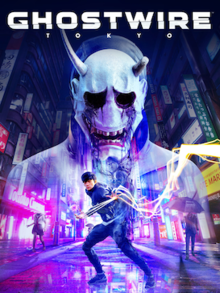
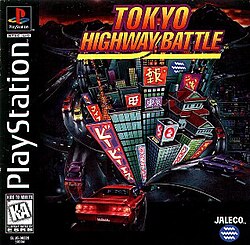 Ghostwire: Tokyo on PS5
 Tokyo 42 on PS4
 Combat Elite: WWII Paratroopers on PS2
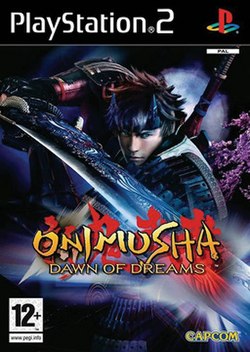
 Onimusha: Dawn of Dreams on PS2
 Disney's Chicken Little: Ace in Action on PS2
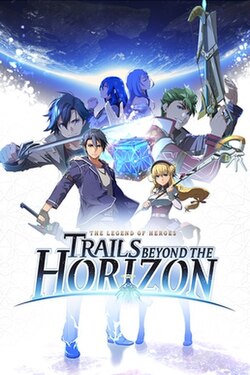
 The Legend of Heroes: Trails Beyond the Horizon on Switch 2
 The Legend of Heroes: Trails in the Sky SC on PS3
 The Legend of Heroes: Trails of Cold Steel IV on PS5
 The Legend of Heroes: Trails of Cold Steel II on PS3
 The Legend of Heroes: Trails Through Daybreak on PS5










 Another SquareThought Site