

 Mar 2018
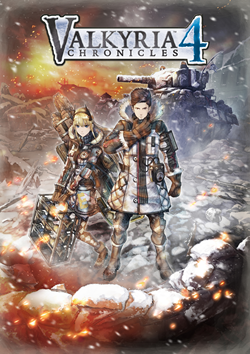

Valkyria Chronicles 4 is the kind of strategy game that feels like being handed a chessboard where half the pieces can explode, one of the knights has an identity crisis, and the pawns will judge your life choices if you send them running across an open field. Built to harken back to the original Valkyria Chronicles while polishing things for modern consoles, this entry trades anime school tropes for something grittier and military-minded. If you play on PS4 you get the full console experience and the edition of the game that first hit Japan, with plenty of missions that demand forethought, patience, and the kind of situational awareness most of us reserve for avoiding awkward conversations. If you like tactical games that test more than your reflexes-where one bad positioning choice turns a promising plan into a scramble to revive soldiers-VC4 is an indulgent but disciplined teacher. It gives you tools like the new Grenadier mortar class and the risk/reward 'Brave' system, and then gleefully forces you to use them under pressure. This review will dig into the challenge aspects and the specific skills the game trains (or mercilessly punishes). Expect talk of positioning, resource juggling, and the occasional moment when the game will make you feel like a tragic hero in a trench coat.
Valkyria Chronicles 4 wears its tactical lineage on its sleeve. The map-based, turn-driven missions will be familiar to series veterans: you plan with a limited set of Command Points, move units using Action Points, and watch as each choice ripples through the battlefield. The learning curve isn't brutal, but it's unforgiving in the way strategy games should be-small mistakes compound. The game introduces a few mechanics that shift the challenge and change the calculus of every encounter. First, the Grenadier class. Mortars bring a new layer to area denial and suppression: you can lob explosives over cover and disrupt enemy formations without exposing your riflemen to strafing. The twist-if allied units are nearby to provide battlefield information, grenadiers can fire without being seen-turns sightlines and unit clustering into a tactical puzzle. You'll spend a surprising amount of time arranging your squad to create those information bubbles, because an unseen mortar shot feels twice as good as a clumsy frontal assault. Second, the Brave system. It's a built-in clutch mechanic that only activates when a soldier is on the brink of death, and it forces you into heart-stopping decisions. You can restore one Command Point, counter an incoming attack if downed on enemy turn, or restore Action Points and make the unit temporarily invincible if downed during your turn. The system is an elegant expression of high-risk, high-reward gameplay: do you burn your Brave to keep a veteran alive and reposition for a counterattack, or do you save it for a more critical future moment? The answer depends on battlefield context, unit roles, and that gut feeling that occasionally betrays every commander. Where VC4 really tests you is in multi-layered planning. You're not just moving units from A to B; you're orchestrating information flow, cover, supply of CP, and the timing of Brave activations. Positioning is king: put a sharpshooter behind hard cover with good sightlines and they will eviscerate approaching infantry, but leave one flank half-exposed and a tank or grenade squad will turn your elegant plan into a rescue mission. The game rewards scouting and patience-rushing in will teach you humility quickly. Resource management in VC4 is deceptively deep. Command Points are finite and precious; they determine how many units you can deploy or special actions you can take in a turn. Action Points mean movement and attack choices are a currency. Brave adds a wildcard currency you can hoard or spend. The interaction between these three resources creates tense trade-offs: expend CP to bring in reinforcements or keep it for an emergency Brave-triggered move? Use AP to get a soldier into a firing position now or conserve for a guaranteed hit later? Another layer is the human element. Squad E is a cast of characters with backstories; losing them carries narrative weight beyond tactical inconvenience. That narrative stake changes the way you play. You will become attached to loadouts, to the medic you keep alive through sheer stubbornness, and to the scout who always seems to survive by pure dumb luck. The game pressures you into learning each class's strengths and weaknesses. Grenadiers are great for area suppression but poor at close-quarters duels, scouts are fragile but indispensable for recon, and heavier units require intentional planning to deploy effectively. Environmental and mission variety keep the challenge fresh. Some missions resemble textbook sieges where you must break lines; others force retreats, convoy protection, or desperate defenses. The story even leans into harsh conditions-winter and stretched supply lines are plot beats that echo the sense of scarcity in gameplay. The AI presents competent opposition. It doesn't necessarily cheat, but it exploits your mistakes and values cover and teamwork, just like you should. The bigger battles-against elite tank units like Ausbruch-become tempo wars: can you slow them, flank them, or sacrifice space to preserve your forces? The skillset VC4 demands is a satisfying blend. You need tactical planning (mapping multi-turn strategies), situational awareness (reading sightlines and enemy intent), resource juggling (CP/AP/Brave management), and adaptability (responding when a plan inevitably falls apart). Patience and a willingness to backtrack and re-think formations are rewarded. There's some execution skill too-aiming and moving units in real time requires a steady hand and timing-but it's the strategic mind that carries the day. If you enjoy games that teach you to think like a commander and then occasionally slap you for hubris, this is your trench. For players who prefer to steamroll and forget names, VC4 can be slow and demanding. For players who enjoy savoring each perfect solution, it's a rich training ground in tactical hygiene: always check flanks, value recon, keep a medic ready, and never underestimate the joy of a perfectly-timed Brave save.
Visually, Valkyria Chronicles 4 follows the series' painterly aesthetic-characters and backgrounds look like watercolors come to life, with a grounded military coat on top of stylized character designs. It's not a tech demo meant to blind you with photorealism; instead, it uses its looks to support readability. Units, cover, and sightlines are clearly conveyed, which matters when a misread terrain tile equals a dead squad mate. The game also benefits from thoughtful animation and soundtrack choices. Hitoshi Sakimoto's score and the wartime texture of the presentation add weight to engagements, and the visual clarity helps when you're juggling grenadiers, scouts, and armored threats across chaotic maps. On PS4 it runs smoothly and keeps the battlefield legible, which is the most important part for a strategy title where timing and placement are everything.
Valkyria Chronicles 4 isn't for speedrunners or players who want instant gratification; it's for those who enjoy layered tactical problems and the satisfaction of solving them without losing half their squad. The Grenadier and Brave systems deepen the strategy and add meaningful choices that affect every mission. You'll come away better at planning, prioritizing, and accepting that sometimes your best-laid plans will be turned into heroic retreats. If you like learning from your mistakes and savoring the moments when everything clicks, VC4 on PS4 is hard to beat. It's challenging without being cruel, skilled without being gimmicky, and has just enough personality to make each loss sting and each victory feel earned. Recommended for anyone who enjoys tactical depth, careful resource management, and the occasional soul-crushing plot twist that makes a veteran soldier a legend-or a cautionary tale.
 Valkyria Chronicles on Switch
 Valkyria Chronicles Remastered on PS4
 Utawarerumono: Itsuwari no Kamen on PS3
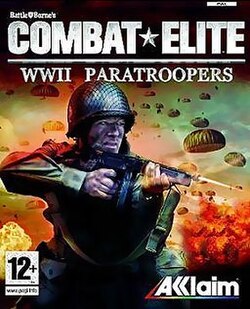
 Combat Elite: WWII Paratroopers on PS2
 Utawarerumono: Mask of Deception on PS4
 Rainbow Moon on PS4










 Another SquareThought Site