

 Oct 2021


Imagine sitting down to play a tabletop RPG with a narrator who sounds like he moonlights as a particularly dramatic audiobook reader, then discovering that the whole world, enemies and your inventory are made of cards. That, in a nutshell, is Voice of Cards: The Isle Dragon Roars on PS4. Developed by Alim and shepherded by a team that includes Yoko Taro, Kimihiko Fujisaka and Monaca composers, the game is basically a cozy card-based JRPG that treats its limitations like clever design features. It leans into the tabletop vibe so hard that even the overworld map feels like a board you forgot to sweep under when you were 12. If you like your RPGs quirky, narratively tidy, and a bit theatrical, this one might make you smile into your controller.
The basic loop of Voice of Cards is gloriously simple and oddly soothing. You move a little game piece across a board composed of flipped cards, revealing terrain, treasure, and random events as you go. Movement is card-to-card, or you can jump to cards you've already revealed, which makes exploration feel like a slow, deliberate spread of tablecloth cards instead of the usual run-and-scan treadmill. Some encounters are decided by die rolls, and certain NPC quests hand you Mysterious Cards that matter for the ending, so paying attention to side tasks actually pays off instead of being a checkbox parade. Combat is turn-based and card-themed, but it keeps enough RPG scaffolding to satisfy tacticians. Your party is four strong: the protagonists referenced in the game files and script (Barren and Laty are named in the combat descriptors, while the main scenario centers on Ash, Mar and friends) plus two other characters whose presence depends on story beats. Battles play out with standard attacks, item use, and skills paid for with gems that are generated and pooled each turn. There are also happenstance cards that trigger during some fights, giving both sides an extra effect and keeping skirmishes from feeling completely predictable. Damage is calculated using attack and defense values printed on cards, which is cute and clear, and the status effect rules let you have one positive and one negative status per character at a time, which keeps things tidy and readable. Outside of fights, towns are where the game lets you relax and gamble your dignity in a small card minigame. It supports local four-player multiplayer, so you can bring friends and argue about whose bad luck is cursed by fate and whose bad luck is a tactical choice. The minigame wants you to match card types and max your score while surviving random card effects, and it's a nice palate cleanser between story beats. Speaking of story, the narrative does a neat trick: it feels deliberately classic while sneaking in Yoko Taro-style twists. You're chasing a legendary Dragon and the messy human things that cluster around it: experiments, moral compromise, and characters with messy pasts. The story offers multiple endings depending on choices and how many Mysterious Cards you've gathered, including a route where you can wish solution-shopping to solve three problems at once if you've collected enough cards. It's the video game equivalent of finding the multi-purpose Swiss Army Band-Aid. There are some pacing grumbles to note. Battles and card animations can be a little on the slow side, and the overworld tileset is intentionally minimalist. If you're someone who likes to auto-skip or speedrun through random encounters, you might find yourself longing for a fast-forward button. Also, difficulty skews toward approachable rather than brutal-some reviewers pointed out that avoiding half the random battles leaves the game feeling mildly underchallenging except for a few spikes late in the adventure. Still, the system rewards strategic use of skills and gem management, and the tabletop trappings make even routine fights feel like placing a theatrical prop.
The aesthetic is the whole selling point here: everything is presented as cards and a gamemaster narrates your progress, which gives the game a charming, analog warmth. Artist Kimihiko Fujisaka's character illustrations shine at close-up moments, and Destructoid was right to praise the unique look. The world itself, however, is deliberately restrained; the tile-style fields and dungeons echo old-school RPG boards, and that minimalism wears well for a while but can drift into repetition. PC Gamer complained that the wow factor becomes spare and flat over long stretches, and Rock Paper Shotgun grumbled about slow slide-in card animations making dungeons feel longer than they need to be. Those are fair notes: if you expect grand vistas and polygonal fireworks, this will feel small and staged by design. Sound and music, on the other hand, are a delightful counterpoint. The score leans into an Irish-tinged, Celtic-ish atmosphere created by Oliver Good with support from Shotaro Seo and Keiichi Okabe. It was mostly recorded with live instruments to capture an analogue feel, and tracks like the vocal-led main theme and the field tunes give the board a gentle, loping life. Seo contributes chorus vocals in places, and the result is delicate, melodic, and surprisingly memorable-especially when the narrator is delivering a grim twist and the music swells like someone leaned on the heartstrings for emphasis. The single-voice gamemaster presentation is voiced by Todd Haberkorn in English and Hiroki Yasumoto in Japanese, a choice that helps sell the tabletop setup and saves money without making the game feel cheap.
Voice of Cards: The Isle Dragon Roars is a game that knows exactly what it wants to be: a small, theatrical JRPG that wears its tabletop aesthetic like a cozy sweater. It's not trying to be a AAA epic with endless graphical variety, and that gives it an odd sort of confidence. The writing and narration are warm and often clever, the music is a beautiful analogue counterpoint, and the card-based systems are smart enough to keep combat and exploration engaging. Downsides include repetitive tiles, occasionally slow animation and a generally forgiving difficulty curve, but those are blemishes on what is otherwise a thoughtfully made little RPG. If you enjoy narrative-driven games, tabletop vibes, and a soundtrack that will make you hum as you flip cards, pick this up. If you need fast-paced combat, flashy visuals, or a brutality meter turned to 11, you might want to wait for the sequels or a sale. For what it sets out to do, Voice of Cards is charming, clever, and oddly comforting-like being told a dark fairy tale by a friend who's very good at accents. Final score: 7.5 out of 10.
 Voice Fantasia: Ushinawareta Voice Power on PlayStation
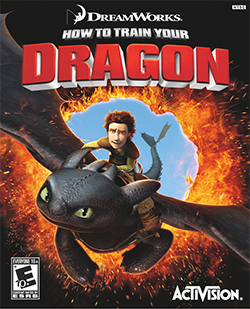
 How to Train Your Dragon on PS3
 Combat Elite: WWII Paratroopers on PS2
 Gnosia on Xbox Series X/S
 Predecessor on PS4
 The Banner Saga 2 on PS4










 Another SquareThought Site