

 Oct 2019
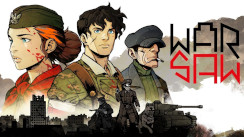

Warsaw is a compact, bleak tactical RPG that straps you into the shoes of a handful of Polish Home Army fighters during the Warsaw Uprising of summer 1944. Pixelated Milk dresses a dour, historical core in stark comic-book visuals by Michał Śledziński and hands you the responsibility of recruiting, equipping, and steering a ragged band of insurgents against an overwhelming occupation. The game does not pretend to be comfortable; it's designed to make you feel the futility and small triumphs of resistance. My interest here is less in menus or balance numbers and more in the living tape of personalities Warsaw asks you to shepherd - the ways the gameplay chisels arcs out of anonymous recruits, turning them into portraited tragedies or quiet small victories.
At its simplest, Warsaw is a turn-based tactical game where you manage a squad, assign weapons, and pick skills for each member. The UI gives you two main vistas: the combat screen, where grid-based clashes unfold, and the headquarters screen, where recruitment, upgrades, and the interpersonal tangle of your crew get handled. Those dry-sounding systems are the scaffolding for what the game really tries to do: compress human stories into modular gameplay units. Characters in Warsaw mostly arrive as blanks with a role - a rifleman, a scout, a young courier - but the game nudges them toward distinct arcs through scarcity, loss, and the need to make choices that aren't morally neat. You will regularly face decisions where resources are limited and every choice ripples into who lives to fight another day. That design means arcs are not scripted novels; they are earned through attrition and improvisation. A typical arc in Warsaw starts with a hopeful recruit. In the safe light of headquarters, they are fodder: a portrait, a few basic stats, and the faint hope of promotion. Once you throw them into missions, the game forces character through friction. Supply gluts or shortages, the selection of equipment, and how you position them in turn-based encounters all determine whether that recruit grows into a quiet leader or becomes a sobering example of the uprising's cost. The moment-to-moment tactical gameplay - a suppressed shot here, a failed flank there - doubles as micro-dramatics: a single missed opportunity can turn a promising arc into a funeral portrait. The game doesn't hand you neatly wrapped moral lessons. Instead, it uses repetition and the inevitability of loss to craft arcs that feel resonant. Veterans accumulate scars, both mechanical and implied, and their voice or portrait choices suggest a weariness that you cannot unsee. Newcomers often begin with a fragile optimism; if they survive several sorties and you spend scarce resources to train them, their growth reads as stubborn hope against the odds. Conversely, a recruit who survives through sheer luck but is never invested in becomes a hollow victory - technically useful, narratively thin. Warsaw's systems favor stories that end with sacrifice more often than triumph. Critics described the game as unrelenting and occasionally unfair, and that hardness is deliberate: the developers are asking players to accept that not all arcs conclude with redemption. This means the game cultivates a bittersweet rhythm. You'll take pleasure in the small arc where a hesitant courier becomes an adept saboteur; you'll also be forced to accept arcs clipped by careless choices or bad RNG. Comparing Warsaw to Darkest Dungeon is useful here: both use mechanically enforced suffering to create meaning, but Warsaw's theme - an actual historical uprising - frames those losses with a different kind of gravity. When a character's trajectory halts because ammunition ran out or a mission went sideways, it reads as part of a larger tragedy rather than random cruelty. Player agency matters, but it's not omnipotent. You can shepherd arcs by prioritizing training and attachments, but the game's overarching scarcity and difficulty will push back. The tension between your desire to craft heroic narratives and the game's insistence on futility results in stories that feel earned. Sometimes that friction produces memorable character beats - a reluctant fighter who learns to cover others' retreats, or a medic who, against all odds, becomes the steady hand that keeps units moving. At other times, that same friction results in frustration: arcs severed abruptly, personalities reduced to mechanical stats. Whether you find this heartbreaking or infuriating will determine a lot of how you experience Warsaw. Combat itself acts like a narrative engine. Encounters are rarely isolated puzzles; they're scenes with stakes. Positioning, weapon choice, and skill upgrades feel like choices that say something about who your characters are becoming. Favoring ranged suppression for a certain recruit marks them as a cautious protector. Investing in mobility for another turns their arc toward risk-taking and potentially tragic recklessness. The game rewards and punishes those narrative investments in ways that are often thematically fitting, if sometimes mechanically brutal.
If you walked in expecting photorealism, you'd be disappointed. Warsaw chooses a comic-book aesthetic courtesy of Michał Śledziński, and it pays off in atmosphere. The portraits are expressive in a way that static photos rarely manage; the brushstrokes and stylized lines give characters personality before they ever speak or die. The combat and headquarters screens are functional but tinted with that same comic sensibility. That stylistic choice is more than decoration: the art softens the crush of the historical subject enough to let players inhabit it without feeling voyeuristic. The game's color palette helps set the emotional beat as well. Muted greys and sickly browns make firefights feel grimy and desperate; flashes of red and white punctuate moments of loss or triumph. On PS4 performance is steady, and the visual presentation matches the tactical focus rather than distracting from it. In short, the graphics don't show off technical fireworks; they tell you who these people are, in pen and ink, before the dice and bullets do.
Warsaw is not an easy sell if you come to games for tidy victories and glowing progression trees. It is, however, a strong experiment in using turn-based tactics as a storytelling tool for collective arcs. The roster-you-build becomes a cast, and the game's insistence on scarcity and challenge forces those cast members into arcs you can feel: courageous, petty, brave, foolish, resolute, exhausted. Critics hit many of the right notes when they called the game unforgiving and thematically resonant; praise for its setting and art is merited, and the comparison to Darkest Dungeon is accurate in tone even if Warsaw draws its emotional weight from real history rather than gothic horror. If you are the sort of player who likes crafting small human narratives out of mechanical constraints, Warsaw will reward you with moments that sting and stick. If you want bright power fantasies or a forgiving campaign that lets every recruit earn a medal, this one will likely frustrate you. My score lands in the same neighborhood as several outlets that found it compelling but rough: 7/10. That reflects a game with a powerful premise, memorable art, and a willingness to make its characters' arcs matter - sometimes at the cost of accessibility. Play it when you're ready to commit to hard choices, and keep a box of tissues and a sense of grim humor nearby.
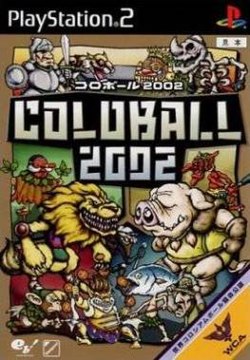
 Coloball 2002 on PS2
 Touhou Sōjin Engi: The Genius of Sappheiros on PS4
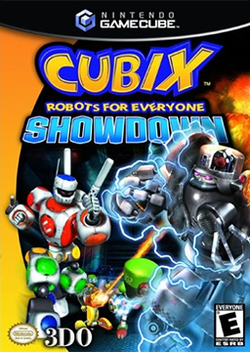
 Cubix: Robots for Everyone: Showdown on PS2
 Octopath Traveler on Switch










 Another SquareThought Site