



Prey the Stars (aka Gabu★Gabu Planet) rolls into the DS era like a manic pup chasing a particularly shiny sandwich. On paper it sells itself as simple: control cute, dog-like creatures, eat the most stuff, win. In practice it's a twinned test of raw physical stamina and surprisingly tactical decision-making. If you were expecting a chilled, cuddly snack-em-up in the mould of Katamari, you'll find familiar vibes - but the real story here is about muscle memory, timing, and ruthless item prioritization. The press gave it middling scores (Metacritic around the mid-60s) and reviewers compared it often to Katamari, but if you sneak past the cuddly exterior you'll discover the layered challenge beneath all that chewing noise.
Prey the Stars strips combat down to its meatiest bone: eat stuff. Your avatar - one of several quirky, dog-like critters - needs to scarf down items in each stage faster and more efficiently than opponents. To actually consume anything you don't just press a button: you repeatedly mash the B button to "chew". This deceptively simple mechanic turns the game into an endurance sport for fingers. If you enjoy rhythmic input challenges or the kind of satisfaction that comes from seeing a pile of objects shrink because your thumbs won't quit, this mechanic is your jam. The primary skill demanded by Prey the Stars is hand-eye coordination combined with stamina. Chewing is not automatic; successful consumption requires you to sustain a press-and-repeat rhythm while steering your mouth-thing over objects. Levels are arenas of clutter - toys, food, random household junk - scattered around platforms and obstacles. That means mobility and dexterity matter as much as raw chewing speed. You'll be switching targets mid-chew, judging when to abandon an object for a heavier prize, and strafing around rivals who can nick your snacks if you're not careful. Timing your movement so that you reach a fresh target and immediately begin chewing without wasting button presses is an underrated micro-skill this game forces you to develop. Another layer of challenge is spatial awareness and prioritization. Not all snacks are created equal. Some items are quick pickings, others take ages to down but are worth more. The smartest players don't just mash wildly; they scan the arena, pick efficient routes, and chain snacks together so chewing cycles overlap with movement. This is where the Katamari comparison becomes relevant - not in rolling mechanics, but in the need to think about mass and momentum. You'll often decide between a slow-munch fatty that nets big points or several small fries that you can gobble while staying nimble. Good players learn to read stage layouts and item distribution to maximize point-per-chew ratios. Multiplayer turns these decisions into direct conflict. You're not just competing with a clock; you're up against opponents who can foul your plans. There's a psychological skill here too: baiting rivals into wasting their chewing on a decoy object while you sweep up the juicy stuff, or using arena geometry to corner an opponent and steal their half-chewed meal. The game rewards aggression and opportunism as much as technique. A close match looks like a dance of snatching and interruption, where winning requires both vigorous chewing and the situational awareness to swipe the big item at the exact right frame. Precision movement matters in tight spaces. Several stages have narrow ledges and obstacles, and bumping into objects at the wrong angle can cost chewing cycles. This leads to another skill: finesse. The finest, not the loudest, chewers win. You'll need to master short, controlled taps and soft joystick nudges to align with awkward items. Players who substitute pure frantic button-mashing for careful positioning get punished by higher-level opponents who make each chew count. There's a stamina-versus-risk trade-off baked into the design. If you mash the B button like a madman you'll chew faster, but your movement becomes sloppy and your recovery after a failed grab is slower. Conversely, if you try to be elegant and slow, opponents may blob around you and steal prime targets. Top-tier play is about alternating these modes: sprint-chew when sweeping a cluster, then back off to precise movement to secure the next heavy target. That instinctive toggling between reckless and measured play is a skill that takes hours to feel natural. Pattern recognition and adaptation play a role in later levels. Item spawn patterns, AI opponent tendencies, and stage-specific hazards create meta-patterns that a clever player can exploit. For instance, some items spawn predictably in corners after a fixed time - learning these timers lets you position to intercept. AI tends to favor certain routes early in matches; baiting predictable opponents into open fields gives you room to chew undisturbed. Even though the core loop is repetitive, the challenge evolves because the smartest human players will adapt in ways AI doesn't always handle well. The DS's dual screens are used modestly, and the lack of deep HUD complexity keeps the focus on play rather than menus. This is good for raw action, but it makes the game unforgiving for beginners. There's little handholding regarding optimal chewing rhythm or target prioritization, so expect a steep experiential learning curve. You learn by losing a lot and then noticing where you could have squeezed an extra chew or moved a fraction of a second earlier. Where the game tests patience and endurance is in extended sessions. Matches are short, but mastery requires multiple rounds to develop consistent muscle memory. Competitive multiplayer becomes a sweatier affair, especially if you and your friends are locked in and starting to predict each other's routes and habits. The game's durability as a competitive party title depends heavily on how much you enjoy that loop: if you like incremental mechanical improvement and the weird dopamine hit of thumb fatigue turning into victory, Prey the Stars delivers. If you prefer variety and mechanical depth beyond rhythmic input and map reading, it can feel thin after the novelty wears off. Finally, the challenge is social as well as mechanical. The single-player mode is fine for practice, but the real test is human opponents. AI will teach you the basics, but beating a room of friends or strangers requires reading human tells, adjusting to chaotic improvised strategies, and occasionally playing dirty - stealing half-chewed items, baiting, and well-timed interruptions. The game rewards players who can balance button-press endurance, spatial planning, and opportunistic aggression.
Visually, Prey the Stars is cheerful and uncluttered. The DS handles the cartoony environments capably: colorful objects, bubbly character designs, and readable arenas. This clarity is a functional boon - you need to instantly recognize items and opponents while chewing, and the art style supports that. The trade-off is that aesthetic variety is limited; stages feel serviceable rather than spectacular. That's not a sin for a game about efficiency and quick reads, but it does mean the visual reward for mastering the game is minimal. Sound design leans into the cartoony chewing with lots of chomps and goofy music, which ramps up the frantic vibe but also makes long sessions a touch grating for players with lower tolerance for repetition.
Prey the Stars is an odd little breed: superficially adorable, mechanically focused, and more demanding than you'd expect for a snack-em-up. The core challenge is a mash of endurance, precision, spatial awareness, and tactical aggression. If your hands like to move fast and your brain likes route optimization, you'll have a blast distilled into short, sweaty matches. The DS limitations and repetitive chewing loop keep it from reaching greatness, which is reflected in its middling review scores (Metacritic ~66/100 and a range of mid-5s to low-7s from outlets). It's comparable to Katamari only in its appetite-driven premise, but where Katamari blossoms into physics-based scale-play, Prey the Stars tightens into a finger-sore tournament of efficiency. If you're buying it for multiplayer party chaos and the joy of incremental mechanical mastery, it's worth a rent or a cheap buy. If you want a deep, long-term single-player experience with lots of mechanical variety, you might feel the chew fatigue sooner than you'd like. For players who take pride in optimized routes, blistered thumbs, and stealing snacks at frame-perfect moments, this is guilty-pleasure gold. Score-wise, it sits comfortably in the mid-6 range: competent, occasionally brilliant in frantic multiplayer bursts, and light on longevity and variety. Consider it an entertaining challenge training ground - one that will make your thumbs ache in the best possible way.
 ACA Neo Geo: Baseball Stars Professional on Xbox One
 The Idolmaster Platinum Stars on PS4
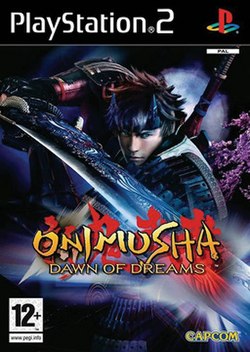
 Onimusha: Dawn of Dreams on PS2
 Action Man: Operation Extreme on PlayStation
 Door Kickers: Action Squad on Switch
 Combat Elite: WWII Paratroopers on PS2












 Another SquareThought Site