

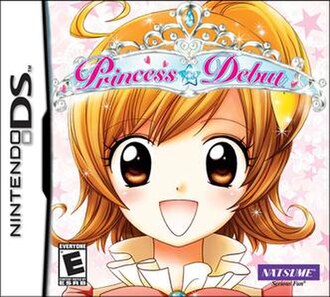

Imagine your boring weekday suddenly interrupted by a portal in your closet, a princess from another world who wants you to stand in for her at The Royal Ball, and a very opinionated talking creature named Kip. That improbable setup is exactly the opening hook of Princess Debut, a Nintendo DS rom-com-meets-rhythm-otome mashup that somehow takes the 'be the lead in a fairytale' fantasy and runs it through a touchscreen filter. If you were waiting for a game that asks you to practice your pirouettes with a stylus while flirting with kid-meets-prince types, your fairy god-device has arrived. The premise is delightfully simple: you, the player character, trade places with a princess from the Flower Kingdom who hates dancing and needs a replacement at the prestigious Ball of Saint-Lyon. You get 30 in-game days to learn to dance, cultivate chemistry with a selection of potential princes (okay, high-school boys who suspiciously match prince-y archetypes), and show up at the ball with rhythm and romance on point. The developer is Cave, a studio better known for furious shoot-em-ups - yes, the same folks who make games where bullets are more plentiful than self-control - and the publisher in the US was Natsume Inc., who had the bright idea to commission a game targeted at a younger female audience. The result is an oddball but earnest title that pairs stylus-driven rhythm mechanics with branching dating-sim choices and a timer that will haunt your extracurricular drama club dreams.
Gameplay in Princess Debut is a two-headed beast: on one side, a choice-driven otome structure where your daily activities and dialogue options steer who notices you and how affection meters climb; on the other side, rhythm sections that let you practice dancing and perform at crucial moments. The life-sim aspect is pleasantly straightforward. Every day you choose where to go and who to talk to, and those choices unlock events, dialogue, and the all-important closeness you need to secure a dance partner for the ball. The world is small - your hometown, school, and a few Flower Kingdom callbacks - which keeps things cozy, like a handheld rom-com wrapped in pastel ribbons. The dancing is handled through touchscreen-based rhythm mini-games. You tap, drag, and follow on-screen prompts to hit beats and gather style points; the DS stylus is surprisingly apt for making your character look less like a two-left-foot emoji and more like an actual princess who knows how to keep time. Early practice sessions are forgiving, which is good because you're learning alongside the story: the princess you were supposed to be is terrible at dancing, and you're filling in for her with only a month to prepare. Performances show up as peaks in the story - get good scores and you impress a potential partner, mess up and you can blame gravity or the charm-draining fashion of the era. A distinct clock mechanic keeps the pressure polite but persistent. Thirty days might sound generous until you realize you need to juggle practice, relationship-building events, and the occasional mandatory tutorial dance with Tony, a man-of-many-roles who doubles as your tutorial partner and sometimes turns into a gentleman rabbit through magical shenanigans. Each choice matters because different boys - Victor, Keith, Carlos, Leon, Kyle, Lucas and others - embody classic prince tropes: the prankster, the studious type, the flirt, the gentle protector, the athlete, and the childhood friend, respectively. The cast is written to be charming in a manga-ish way, which makes their daily conversations feel like serialized episodes of a shojo comic. Multiple endings are a big part of the package. If this sounds like grindy otome homework, there is some truth to that: IGN pointed out the slow pacing and repetition, especially once you want to unlock every route and see all dozen-plus endings. Replays are necessary if you're the completionist type - and they can feel like doing pirouettes on repeat - but the branching narrative does reward attentiveness. Small differences in dialogue choices and where you decide to spend an afternoon translate into different events and, eventually, which partner accompanies you to the Ball of Saint-Lyon. Controls and pacing both lean toward an audience who enjoys gentle, methodical progression. The rhythm sections are generally accessible (so if you have rhythm like a wobbling metronome, you'll still survive), and the conversations are bite-sized enough that you can play in short bursts between classes, chores, or actual social obligations. That said, be prepared for repetition if you aim for full completion. The game's charms are in its characters, its concept, and its cutesy presentation, not in endlessly varying gameplay loops.
Visually, Princess Debut looks like it was painted with sugar and good intentions. The character illustrations and package art were handled by Kotori Momoyuki, whose manga-friendly aesthetic gives every romantic lead and school friend a glossy, Nakayoshi-era sheen. On the DS screen, portraits and event art pop with soft colors and expressive faces; the sprites and backgrounds are functional rather than flashy. Don't expect high-end 3D ballroom cinematics here - this is a Nintendo DS title through and through, leaning on charm and character expressions rather than polygonal bravado. The Flower Kingdom design borrows heavily from fairy-tale motifs: flowing gowns, twinkling ballrooms, and an overall pastel palette that makes every scene feel like a polaroid from a princess-themed scrapbook. Animations are serviceable; most of the emotional work is done in the static event illustrations and the branching dialogue. The rhythm sequences are visually clear (which is the important part), and the interface respects the DS's dual-screen layout by putting dance prompts where your stylus can find them. If you appreciate cute art and readable UI more than technical fireworks, Princess Debut delivers. For those expecting the graphic punch of modern handhelds, the game's visuals will read as charming nostalgia rather than cutting-edge design.
Princess Debut is a quirky little love letter to anyone who has ever secretly wanted to be swept off their feet in a mirrorball-lit ballroom while simultaneously tapping along with a stylus. Its strengths lie in its concept, its accessible rhythm mechanics, and a cast of princes who are earnest, archetypal, and often endearingly anime. The development story is charming too: Natsume Inc. actually commissioned this concept in the United States and teamed up with Cave - a studio famous for bullet hell shooters - to make something adorably out of character for both companies. That origin story bleeds into the game itself; it's a surprising, slightly oddball project that knows its audience and courts it with sincere sugar. However, this candy-coated palace has a few stale crumbs. The pacing can be glacial if you aim to unlock everything, and repetition becomes noticeable after multiple playthroughs. Critics reflected this divide: Metacritic sits at a comfortable 'pretty okay' 71/100, IGN and several outlets landed around 7/10, while Famitsu gave it a mixed 26/40. If you like slow-burn otome sims with light rhythm exercises and don't mind replaying similar beats to get every ending, you'll have a lovely time. If you demand rapid-fire variety or hardcore gameplay depth, this won't be the treasure chest for you. In short: pick Princess Debut if you want a cozy, stylus-friendly fairy-tale romance with approachable rhythm bits and a dozen ways to end up dancing with your chosen prince. It's not revolutionary, but it's sweet, sincere, and oddly memorable - like finding a tiara in your wardrobe and realizing it actually fits. Score: 7 out of 10.
 Princess Natasha on DS
 Princess Crown on PS4
 Rhythm Heaven on DS
 Super Crazy Rhythm Castle on Xbox Series X/S
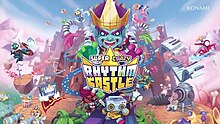 Rhythm Heaven Groove on Switch
 Taiko no Tatsujin: Dokodon! Mystery Adventure on Switch
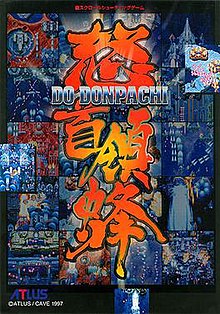 Ketsui Deathtiny: Kizuna Jigoku Tachi on PS4
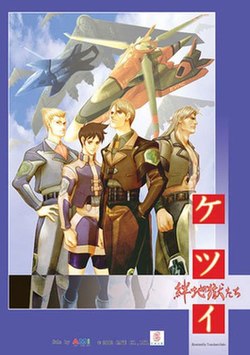 Espgaluda II on Switch
 Akai Katana Shin on Switch
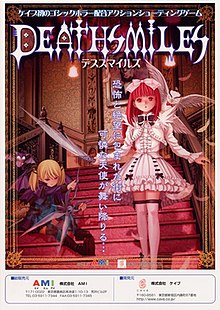
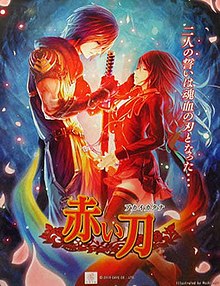 Deathsmiles I & II on PS4
 ESP Ra.De. Psi on PS4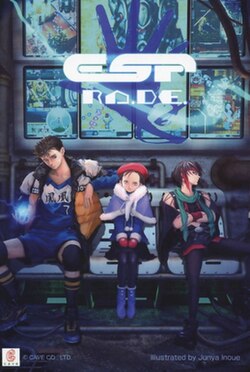












 Another SquareThought Site