

 Dec 2019


Welcome to Bustafellows, the kind of game that sneaks up on you like a charming con artist in a trench coat and then offers to rewrite history if you promise to buy it a coffee. This otome-style visual novel puts you in the shoes of Teuta, a 21-year-old freelance journalist who can time travel in a very specific and inconvenient way: by briefly inhabiting other people. When she witnesses the murder of a shady lawyer named Limbo Fitzgerald, she uses her unusual hobby to stop the killing and promptly gets dragged into a criminal underworld that somehow doubles as a dating sim. If your idea of a good time involves courtroom drama, morally ambiguous men, and multiple endings that hinge on whether you choose to flirt or investigate, Bustafellows is a delightful, guilty-pleasure sandwich with a plot twist for dessert.
Bustafellows is a visual novel first and foremost, so expect large chunks of dialogue, character portraits, and those dramatic close-ups that scream important confession incoming. The core of the gameplay is branching narrative: your decisions steer the route of the story and determine which of the five male characters you get romantically entangled with. The writing leans into crime drama and romance at the same time, so conversations toggle between tense interrogations and soft, blush-inducing moments faster than you can say 'objection, your honor.' What spices up the usual otome recipe are a couple of neat mechanical twists. Teutas time-travel ability allows her to jump into other peoples bodies to experience the recent past. This is both a storytelling gimmick and a gameplay pivot: choices sometimes come with time limits, introducing a small amount of pressure that keeps you from scrolling on autopilot. Some decisions will net you memorabilia, collectible items that unlock extra episodes and scenes. If you enjoy completionism, this system rewards careful reading and strategic decision-making, because certain outcomes and bonus content only appear if you nab the right keepsakes during play. The routes are structured to encourage multiple playthroughs, which is standard for visual novels but still satisfying here. Early choices feel meaningful: take one branch and you chase down a conspiracy, take another and you get a lot more tender heart-to-heart time with one of the suspects. The romance options vary in tone, from dangerous and mysterious to sincere and protective, giving each route its own flavor. Because the narrative hops between investigation beats and romantic beats, pacing can be a little like being on a seesaw: thrilling one moment, swoony the next. The interplay works for the most part, though purists who want a pure detective novel or a straight-up dating sim might find the mash-up occasionally jarring. Accessibility-wise, Bustafellows keeps things simple. There are no complicated mini-games or battle systems to learn; the main skills required are reading, decision-making, and an enviable ability to resist spoilers. The timed choices do add replay value, but they also mean that players who like to savor every line might need to toggle autoskip or reload to fully absorb certain exchanges. For anyone who enjoys getting every ending, the memorabilia and extra episode system gives the game legs: expect multiple sessions to unlock everything, and relish the small joys of piecing together what actually happened in Limbo Fitzgeralds tangled circle. Critically, the game has been well-received. Reviewers praised its writing, character drama, and the way it blends crime fiction with romance, resulting in a generally favorable Metacritic score. By 2024, Bustafellows had sold over 100,000 copies, so clearly the combination of shady lawyers and swoon-worthy teammates resonated with more than a few players. If you come in expecting blockbuster mechanics, you might be disappointed, but if you want a juicy story with branching romances and a clever gimmick at its center, this game delivers more than its fair share of intrigue.
Graphically, Bustafellows is what youd call a classic visual novel presentation: crisp 2D character art, expressive portraits, and moody backgrounds that set the tone without asking for your GPU to cry. The art style is very much in the otome vein, with handsome, stylized male characters who look like they could file taxes and whisper plot twists with equal sincerity. On Nintendo Switch, the visuals translate cleanly whether youre playing docked or handheld. The character sprites are detailed and the facial expressions do a good job of selling both emotional beats and comedic moments. There arent flashy 3D environments or animated combat sequences here, and thats fine; the focus is on faces, dialogue, and the occasional dramatic close-up montage. If you appreciate character art and well-composed visual novel panels, Bustafellows is pleasant on the eyes and never distracts from the story.
Bustafellows is a guilty-pleasure combo of crime drama and romantic hijinks that knows exactly what it is and leans into that identity with style. Teutas time-jumping body-hopping mechanic is a clever narrative tool that keeps the plot fresh, while the timed choices and memorabilia system give the game enough mechanical hooks to reward both casual readers and completionists. The pacing can wobble between investigative urgency and swoony downtime, but most players will see that as part of the charm rather than a flaw. Critics liked it, and sales numbers back up the acclaim: the game earned generally favorable reviews and a respectable Metacritic score. If youre a fan of visual novels, otome stories, or just enjoy morally gray men with tragic histories, Bustafellows is a strong pick on Switch. It wont confuse anyone looking for a deep, mechanical challenge, but it will happily keep you glued to the screen for hours, making choices, collecting memorabilia, and maybe falling a little in love with people who should probably be growing their hair in a witness protection program. Verdict: addictive, stylish, and romantic in a noir kind of way. 8.6 out of 10.
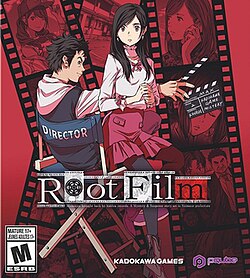 Tokimeki Memorial Drama Series Vol. 3 Tabidachi no Uta on PlayStation
 Oshiete! Popotan on PS2
 Princess Princess on PS2










 Another SquareThought Site