

 Jul 2024
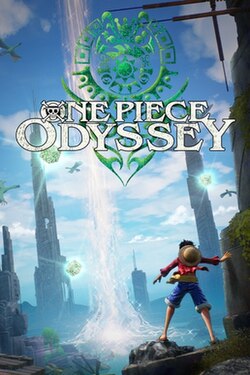

One Piece Odyssey Deluxe Edition lands on Switch like a cannonball from Luffy's rubbery fist: loud, full of personality, and slightly aware it may have to squeeze through a narrower gap than its PS5 cousins. This turn-based RPG clings to the core appeal of the Straw Hats - character-driven antics, quirks that actually matter, and combat that pesters you into thinking strategically instead of button-mashing until something explodes. For players interested in challenge and skill expression, Odyssey is less about twitch reflexes and more about brainy map management, party positioning, and the delightful chaos of special one-off Dramatic Scenes. If you like your difficulty served with a side of character comedy, the Switch Deluxe Edition is a portable treasure chest. If you expect an ultra-hard JRPG raid simulator, bring better snacks and lower expectations.
One Piece Odyssey is a turn-based affair that disguises tactical puzzles as story beats. The game's combat is built around the Scramble Area Battles system, which slices encounters into distinct zones. Success rarely hinges on raw damage alone; instead it asks you to think spatially. You move party members across areas between rounds, trying to counter enemy positioning and exploit matchup advantages. That design rewards planning and situational awareness more than reflexive inputs. Positioning is your chessboard: put a ranged fighter where enemies cluster, funnel a tank into the choke point, and keep Luffy in spots where his elasticity can either reach multiple opponents or bounce him out of harm's way. Each Straw Hat has unique field abilities that double as traversal tools, puzzle keys, and item-finders. These abilities make exploration and environmental problem solving satisfyingly skill-based. Players who enjoy observation and resourcefulness will find the puzzles fun rather than filler. Spotting where Nami's knack helps, or when Robin's reach is the only way to access an item, rewards attention to detail. The game encourages switching perspectives - sometimes the most obvious path is a red herring, and the solution depends on combining character skills in sequence. That is the kind of low-intensity brain workout that feels great on a commute or a long bathroom break. Where Odyssey can get spicy and genuinely challenging is in the interplay between the Scramble Areas and the Dramatic Scene system. Dramatic Scenes are the narrative curveballs that flip an encounter on its head by forcing characters into personality-driven handicaps - Sanji distracted by adoring NPCs or Luffy randomly stumbling around because of a cutscene gag, for example. These moments are unpredictable and require rapid tactical readjustment. They aren't cheap difficulty spikes; they reward improvisation and understanding of party roles. Players who treat these scenes as annoyances instead of puzzles will struggle; players who laugh, adapt, and reassign tasks will be handsomely rewarded. Battles still follow classic RPG conventions - experience points, leveling, and menu-based commands - but Odyssey layers in complexity through positioning, status management, and timing. The learning curve is gentle at first, teaching you how to place characters between areas and how to chain abilities, then nudges you into encounters where poor planning is punished. Boss fights often feel like layered puzzles more than stat-sinks: you need to identify which area to control, which characters to commit to offense versus utility, and when to conserve resources. This rewards players who can think ahead, allocate consumables smartly, and read enemy behavior patterns. Skill requirements break down into a few clear categories. Spatial reasoning matters most: you must visualize zones, enemy movement, and optimal placements. Party composition and role assignment are crucial; the game doesn't telegraph every combo, so experience teaches you which characters best fill interruption, burst, or support roles. Adaptability is another core skill. Dramatic Scenes and shifting battle zones punish rigid strategies, and the game nudges you toward multiple viable approaches rather than a single rote solution. Finally, patience and attention to detail pay off during exploration, where environmental puzzles and ability combos unlock rarer items and optional content. For players who love to min-max, there is room to tinker, but Odyssey isn't purely a spreadsheet exercise. The randomness of Dramatic Scenes and the narrative-first design mean that preparation meets improvisation. If you crave a precision-focused competitive challenge, this is not that - but if you prefer a thoughtful, character-first tactical RPG where skilled play looks like clever positioning, planning, and quick adaptation, Odyssey hits the mark. One persistent meta-challenge on the Switch version is balancing ambition and performance. The port, handled by Arstech Guild, brings the full experience to a portable form but asks players to accept occasional graphical compromises and possibly lower framerates in exchange for the ability to play on the couch or on the go. That tradeoff does not change the core skillset required, but it can affect how reliably you read visual cues during fast-moving Dramatic Scenes. Keep that in mind when tackling tougher content on the small screen.
Odyssey runs on Unreal Engine 4, and its art direction leans heavily into One Piece's cartoonish, exuberant identity. Character models and expressions sell the comedy and drama that the gameplay leans on for those Dramatic Scene moments. On Switch, the Deluxe Edition looks respectable at handheld sizes but shows that compromises were made to fit the hardware. Textures are softer and some distant detail is muted compared to PS5 or PC versions. Still, the charm of the franchise carries a lot of weight. Scenes where your crew react to absurd events are readable and expressive, and the camera work usually frames battles so you can still plan area placements. Motoi Sakuraba's soundtrack is a nice bonus; it elevates combat moments with dramatic swells and keeps exploration feeling lively. For fans who value style and personality over cutting-edge fidelity, the Switch visuals are more than acceptable. Competitive visual athletes chasing the crispest resolution will prefer other platforms, but this port keeps the essential visual readability intact, which is what matters for a challenge-oriented experience.
One Piece Odyssey Deluxe Edition on Switch is a portable cocktail of strategy and silliness. Its challenge comes from smart design rather than artificial difficulty spikes: spatial reasoning, party management, and rapid adaptability to Dramatic Scenes are the skills that will carry you through. Fans of the Straw Hats will appreciate the way individual abilities are woven into both exploration and combat, making each puzzle and battle feel connected to character identity. The Switch port trims a few visual luxuries but keeps the tactical bones and personality intact, making it a strong choice if you want a thoughtful RPG to play anywhere. Score-wise, it lands around a solid 7 out of 10 for its engaging tactical systems, narrative charm, and portable convenience, with the caveat that it rewards players who enjoy planning, improvising, and laughing at ridiculous cutscene-induced setbacks. If that sounds like your kind of challenge, set sail and bring your brain along.
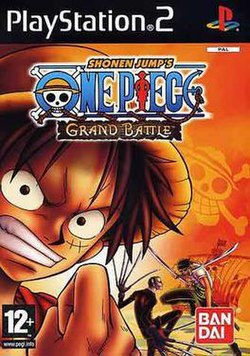
 One Piece Grand Battle! on PS2
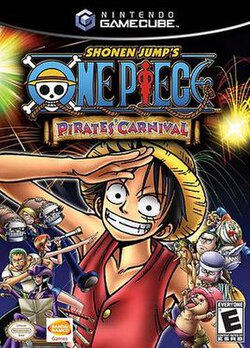
 One Piece: Pirates' Carnival on PS2
 Microsoft Xbox One
 Combat Elite: WWII Paratroopers on PS2
 The Banner Saga 2 on PS4
 Arcania: The Complete Tale on PS3
 Gnosia on Xbox Series X/S










 Another SquareThought Site