

 Mar 2020


In the halcyon days of the 1990s, a new handheld battle system could send players into paroxysms of joy and rage in equal measure. One Step From Eden is not a time machine, but it is a very familiar echo of those arcane joys. The latest brainchild of independent developer Thomas Moon Kang lands on the Switch with a mix of deck-building strategy and frantic, grid-based action that borrows the best parts of classic Mega Man Battle Network-style combat and dresses it in modern roguelike sensibilities. Its pedigree is obvious: Kickstarter-born, lovingly pixelated and studded with choice-based progression, the game is both the kind of niche experiment 1990s magazines would have devoured and the kind of indie darling that Humble Bundle now shepherds to a wider audience. This review comes from the perspective of someone who appreciates mechanical purity. One Step From Eden offers tight controls, a steep learning curve and an insistence that the player master its systems rather than be carried by convenience features. That will delight a fair number of players and frustrate others - especially on the Switch, where the game's uncompromising difficulty and the awkwardness of its multiplayer modes have been noted by the critical chorus. Still, for those willing to invest the time, Eden is a cleverly designed duel between planning and reflex, and it stands as one of the more inventive blends of genres you can put in a Switch cartridge.
At its core One Step From Eden is deceptively simple: you move on a 4x4 grid, your foe occupies a mirrored 4x4 grid, and both sides exchange spells until something dies. Movement is one square at a time. Spells are cards in a deck that cost mana and execute in patterns the enemy must dodge. Some spells bite close, some spit across rows, and others apply status effects or restore precious health. The result is an elegant choreography of prediction and timing - you are constantly positioning to avoid attack patterns while lining up your own cards for maximum disruption. The combat system's resemblance to Mega Man Battle Network is no accident; Kang admits the Battle Network-sized void was a motivating factor here. Roguelike progression and deck-building wrap that basic duel in a loop that is both rewarding and cruel. Every successful encounter gifts experience and the chance to add new spells to your deck; level-ups and events bestow artifacts that carry passive effects, sometimes with a sting of a drawback. Die and you lose the spells and artifacts you collected in that run, but not the completion progress that unlocks characters, spells and metadata for future attempts. It is the familiar roguelike carrot-and-stick: repeated failure feels like investment rather than punishment, assuming you can stomach the difficulty. The game throws variety at you in multiple ways. Special encounters add NPCs to the battlefield, altering objectives and forcing tactical shifts. A surprisingly wide array of cards means no two decks play the same, and artifacts can turn a deck into a bespoke snowflake that must be piloted carefully. This rich combinatorial design is where the game truly shines: a single well-timed dash-and-spell can feel as glorious as finding a new Yoshi vending machine in a platformer back in the day. There are a few practical complaints. The Switch version, while mechanically intact, inherits the title's notorious learning curve and the occasional frustration with unlock pacing; many reviewers have pointed to a slow drip of meaningful unlockables, which can make the early hours feel grindy. Multiplayer modes have been pointed out as weaker elements. Cooperative play splits players awkwardly across a single shared deck rather than letting each player craft their own arsenal, and PvP shackles players to predetermined decks that deny the study and mastery the single-player loop encourages. In short: single-player is where Eden's systems sing; multiplayer feels like an add-on that didn't get the same design love.
The visual presentation is a study in restrained retro charm. The pixel art is crisp and precise without indulging in gratuitous nostaglia; characters and spell effects pop against the battlefield in a way that makes telegraphing patterns readable without sacrificing flair. The art team - led by Thomas Moon Kang with Sarin Singhasaneh and Larry Boyd contributing - crafted a palette that nods to handheld classics while maintaining modern clarity. Animations are economical but expressive, and the battle grids feel like they occupy real tactical space. Keisuke Hayase's music adds atmosphere without overstaying its welcome. The soundtrack leans on chiptune textures and tense motifs that suit the frantic tempo of combat. Sound design is functional and supportive: audio cues deliver essential information about incoming attacks and resource states, which is crucial in a game where milliseconds and steps determine survival. On the Switch the frame of presentation is faithful to the original releases on PC and consoles; there are no flashy bells, but everything you need to read and react is presented with competent fidelity.
One Step From Eden is a tough, clever little beast that will reward those who enjoy mastering systems rather than merely consuming spectacle. It channels the spirit of Mega Man Battle Network and The World Ends With You, borrows deck-building smarts from modern roguelikes, and wraps it all in a tight combat loop that is satisfying when it clicks. The Switch release lands solidly, but be forewarned: the learning curve is steep and the multiplayer modes feel like concessions rather than fully realised companion pieces. Critics have pointed out accessibility shortcomings and a somewhat glacial unlock pace, and those criticisms are fair; this is not a casual pick-up-and-play affair. For a player who loves tactical precision, makes peace with repeated failure, and delights in discovering synergies between cards and artifacts, Eden is a revelatory experience worth the time. For players looking for a forgiving roguelike or a fully featured party mode, this title may grate. As a serious 1990s-minded recommendation delivered with modern frankness: One Step From Eden is a finely tuned game with teeth. It bites, but in that delicious way you remember the best challenges from your youth. If you enjoy being beaten into triumph and can stomach the occasional multiplayer misstep, step in and see how far you can go.
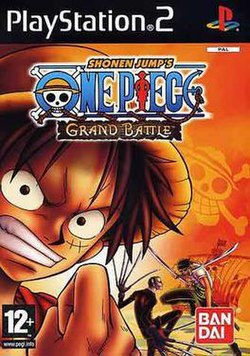
 One Piece Grand Battle! on PS2
 Microsoft Xbox One
 Disney's Chicken Little: Ace in Action on PS2
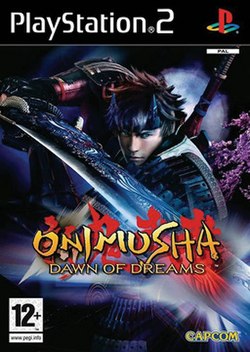
 Onimusha: Dawn of Dreams on PS2
 Action Man: Operation Extreme on PlayStation
 Door Kickers: Action Squad on Switch










 Another SquareThought Site