

 May 2023
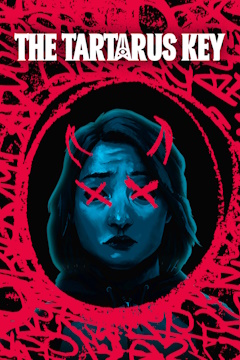

If you enjoy staring at dusty cabinets, interrogating suspiciously labeled jars, and convincing yourself that a torn postcard from 1997 is absolutely the key to humanity's survival, The Tartarus Key is the sort of game that will hug your brain and refuse to let go. This first-person, escape-the-room style adventure drops you into a PS1-era mansion with a protagonist named Alex Young who wakes up, looks around, and realises the only thing between her and the exit is an unholy number of puzzles. The game trades jump scares for head-scratches and meta touches, and on Switch it becomes a transportable exercise in patience, logic, and obsessive note-taking.
The Tartarus Key is unapologetically a puzzle game. There's no timer ticking like a sadistic kindergarten teacher, and there are no combat sequences to break up the thought-heavy pacing. You wander room to room, inspect objects, and stitch clues together until a door relents or a mechanism coughs up its secrets. The structure is classic escape-room fare, but dressed in nostalgia: first-person PS1-era visuals, small spaces that reward close inspection, and the creeping awareness that the mansion is less a house and more an elaborate IQ test. Challenge in this game rarely comes from twitch reflexes. Instead, the difficulty curve is built on cognitive demands. Observation is number one - many solutions hinge on noticing tiny details in textures, odd alignments of objects, or seemingly throwaway scribbles in a notebook. If you are the kind of player who thumbs through your environment like it owes you money, you will be in your element. Pattern recognition is a close second; symbols repeat, puzzles echo one another, and the ability to abstract a rule from one room and reapply it later is worth its weight in in-game currency (or whatever creepy artefacts the mansion hoards). A big part of the gameplay loop is inventory and clue management. You gather items, often mundane - a cassette tape, a key, a faded photograph - and must slot them mentally (or literally, if you keep a notepad) into the right puzzle at the right time. The game rewards methodical players: try everything with everything and you might tip over into frustration, but keeping a tidy list of leads will make the mansion's logic reveal itself in satisfying clicks. Meta-thinking also features heavily; some puzzles ask you to think about the game as a game, a choice that reviewers found divisive. If you enjoy lateral thinking challenges that occasionally pull the rug of 'what a puzzle is allowed to be', The Tartarus Key will make you grin like a smug locksmith. The skillset the game asks of you reads like a checklist for a certain kind of nerd: patience (for when progress is incremental), deduction (for when the solution is implied, not spelled out), memory (for recalling where that odd inscription appeared), and imagination (sometimes the connection you need feels like a stretch until it isn't). Spatial reasoning will come into play for a handful of puzzles that require imagining how components interact, while basic reading comprehension and a taste for puzzle tropes speed the process. The lack of a timer means the challenge is intellectual pressure rather than pure stress; it wants you to think, not sweat. There are moments where the challenge tilts into obtuseness. Several critics noted puzzles that feel 'too obtuse', and that matches player experience: occasionally the game flips from 'clever' to 'why would anyone think that', which can produce a groan louder than any horror scream. When that happens, the solution often feels revelatory after the fact, prompting the delightful 'of course!' reaction - but it may take a while to arrive. Rock Paper Shotgun praised that attention to detail and the pleasure of discovery, and there's truth to that. If you enjoy the satisfaction of mapping tiny narrative clues into an elegant solution, those revelatory beats land hard. If you prize linear clarity, the game's love of misdirection will test your goodwill. The branching element of rescuing other prisoners adds another layer of decision-making. The choices you make in pursuit of solutions can affect how many people you save and change the ending. That introduces a subtle strategic element: you may replay rooms or revisit choices with a different mindset, and the knowledge that your puzzle-solving has moral stakes adds weight to every discovery. It also enhances replayability for puzzle-heads who enjoy repeating the exercise with different priorities. On Switch specifically, the portability lets you take this brain-bender into bed, onto public transport, or into a café where you can pretend to be writing a very niche term paper. The motion of switching between handheld and docked modes doesn't alter the core challenge, but having the game on-the-go fits its slow-burn nature - sometimes the best way to solve a gnarly puzzle is to sleep on it and return with fresh eyes. For players who like to scribble solutions on real paper, I recommend a pen, a highlighter, and a suspiciously clean kitchen surface to spread clues like a conspiracy theorist planning a heist.
Visually, The Tartarus Key wears PS1-era graphics like a cozy, pixelated sweater. The retro aesthetic isn't a limitation so much as a stylistic choice that amplifies the game's atmosphere while also focusing attention on the puzzles. Low-poly models and grainy textures mean you concentrate more on form and placement than photorealistic flourish; it's deliberately evocative rather than technically dazzling. Critics and players who appreciate nostalgia will find charm in the dated visual language, and those looking for modern visuals should temper expectations. The art direction supports the challenge: when you must inspect an object closely, the simplified look often highlights functional details rather than distracting with realism.
The Tartarus Key is a puzzle lover's love letter: it asks for patience, rewards careful observation, and occasionally smacks you over the head with an 'I should have seen that' moment. It's not trying to be a horror tour de force; reviewers pointed out that its meta elements and focus on puzzles take it away from true scariness. That's not a flaw if your idea of a good time is unlocking brain-bending riddles and feeling like a detective who finally learned how locks work. The Switch version benefits from portability and suits the game's measured pace, but expect some puzzles to demand stubbornness and the willingness to let your brain slowly knit together clues. If you are already fluent in deduction, pattern recognition, and obsessive note-taking, The Tartarus Key will feel like home. For players who want hand-holding or for whom 'obtuse' equals 'broken', certain rooms may inspire profanity and the urge to consult a walkthrough (an act the game designers secretly knew some players would love to perform). Ultimately, the game squeaks by on the strength of its puzzles: many are clever, some are revelatory, and a few are frustratingly obscure. Score-wise, the mansion earns a solid 7.5 out of 10 - a game that should be on the radar of anyone who enjoys methodical puzzle design, old-school atmosphere, and the small, intoxicating pleasure of finally making sense of the nonsense.
 Persona 3 Reload on PS5
 Sony PS5
 Tintin: Destination Adventure on PlayStation
 One Piece Grand Adventure on PS2
 Taiko no Tatsujin: Dokodon! Mystery Adventure on Switch
 Taiko no Tatsujin: Don to Katsu no Jikū Daibōken on Switch










 Another SquareThought Site