

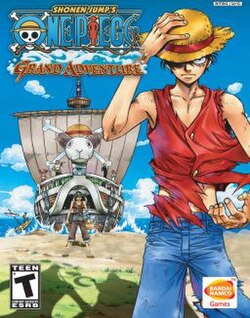

One Piece: Grand Adventure arrives on the PS2 like a slightly overstuffed treasure chest: full of shiny bits that catch the eye and a few nails loose at the bottom. Ganbarion builds on the Grand Battle foundation, then straps an Adventure Mode to it that asks you to captain the Going Merry, sail the Grand Line, and recruit fighters as if recruitment were a hobby rather than a life-altering decision. If you want a One Piece experience that prioritizes brawls and collection over a cinematic re-telling of the manga's greatest hits, Grand Adventure is your sea biscuit. The game was released to middling critical applause - roughly a mid-6 to high-6 on the standard review scales - and that reception is important context: this is a fighting game with flirtations of RPG progression, and those flirtations are both the game's most interesting design choice and its softest spot.
Grand Adventure leans on a deceptively simple conceit to turn a roster of anime personalities into something resembling narrative progression. Adventure Mode is the spine: ten island-based levels per adventure, the Going Merry as your fast travel, and battles that determine who joins your crew or who becomes fodder for the mini-games. That recruitment mechanic is the game's primary storytelling engine. Instead of delivering long cutscenes or new original arcs for familiar faces, the game lets your actions-who you beat, who you carry with you, who you use in fights-create micro-arcs. A character you constantly field gains experience points, levels up, and sees their HP, attack, and defense inch upward. Those tiny numerical improvements are treated like growth in the One Piece universe: you grind, you fight, you get stronger, and in the space between islands you convince that grumpy pirate or reluctant ally to sign on. The result is an emergent, player-driven form of character arc where growth is measured in stat bars and roster lists. That approach produces a mixed bag of emotional payoff. On the plus side, it translates the series' theme of getting stronger through friendship into a mechanic that actually rewards you for using the characters you like. If you enjoy watching a character's numbers climb, you'll get a satisfying feedback loop: win fights, gain XP, see the little triangle next to a stat, and feel a tiny narrative pulse saying, "you both leveled up." This is especially true for characters who start underpowered; giving them a starring role in a few fights feels genuinely rewarding in a way cutscene power-ups rarely are. The crew composition element also adds a shallow strategic layer: some characters work as anchors (tankier, higher defense), others as glass cannons (spiky attack, low HP), and the mini-games provide alternative contexts where non-meta characters can shine. Where Grand Adventure's character-driven ambitions falter is in their execution and variety. The game is, at its heart, an expanded roster of its Grand Battle predecessor-more faces, more arenas, more move lists-but it never quite gives those faces fresh motivations beyond "join my crew" or "become a prize for mini-games." If you were hoping for the sweeping, emotional arcs that the manga and anime expertly craft-redemption, sacrifice, revelation-you'll be disappointed. The game substitutes those narrative beats with the practicalities of fighting-game loop design. That's not a sin; it's a design choice. It simply means that the arcs are tiny and repetitive: challenge, recruit, level, repeat. Those who appreciate the micro-arc cadence will enjoy tinkering with lineups and watching level numbers creep up. Players seeking actual story-driven evolutions in character relationships will find the game's interpretation disappointingly transactional. Another gameplay consideration: the RPG-lite stat progression significantly alters how characters feel over time. A character's base strengths are important early on, but by the mid- to late-adventure levels you can reshape weaknesses into strengths if you put in the hours. This invites an RPG mindset in a fighting game shell, which can be charming if you like customization and borderline boring if you want pure arcadey immediacy. Multiplayer remains the place for instant, messy fun: bring your leveled crew, throw them into a ring, and enjoy chaos. The Adventure Mode's attempt to retro-fit a sense of story into a fighting game is admirable and occasionally clever, but the sum often feels less than the parts: a collection of character moments where the connective emotional tissue is thin.
Graphically, Grand Adventure is comfortable in the aesthetic gym shorts of the PS2 era: bright, cel-shaded-ish visuals that lean on faithful anime likenesses rather than hardware-showing spectacle. Characters are recognizably drawn straight from the One Piece roster, and the arenas-ranging from island marketplaces to ship decks-carry enough visual charm to sell the idea of the Grand Line without overreaching. Animations are serviceable; special moves have satisfying flares, but the camera and effects occasionally struggle to keep up with the on-screen chaos during four-player melees. The art direction understands One Piece's cartoony brio and tries hard to keep the characters feeling like their manga selves, which is important for a title that trades narrative depth for character recognition. Don't expect jaw-dropping textures or next-gen subtlety; do expect a visual palette that supports the roster's personalities and lets you immediately identify whether someone is a brawler, trickster, or walking elbow of doom.
One Piece: Grand Adventure on PS2 is best described as a fan-friendly brawler with RPG bones. Its Adventure Mode cleverly converts fight outcomes into emergent character arcs-recruitment, leveling, and crew management become your substitute for scripted plot-and that design will delight players who enjoy the slow burn of stat-based growth. The emotional arcs, however, are lean and transactional; characters don't receive the bespoke storylines and deep development that fans of the manga or anime might crave. Critically, the game was met with average reception upon release (Metacritic and GameRankings sit it in the mid-to-high 60s), and that's fair: Grand Adventure delivers enjoyable mechanics and a lot of playable faces, but it lacks the narrative heft and mechanical polish to elevate it above its peers. If you're an 18-year-old who loves One Piece, has a soft spot for roster collection, and enjoys seeing numbers creep up like tiny trophies, this is a pleasant port-of-call. If you want the tear-jerking arcs, character revelations, and the sweeping sense of adventure found in the source material, you'll be better served by the manga or the anime. In short: sail for the roster, dock for the mini-games, and bring a willingness to let the characters' "stories" be the story of your controller thumb and a few hours of grinding. You might not get a legendary narrative voyage, but you'll get a competent, charming, and occasionally addictive character-focused fighting romp that knows how to make a crew feel earned-even if it never quite makes you cry over a pixelated nakama sacrifice.
 One Piece Grand Battle! on PS2
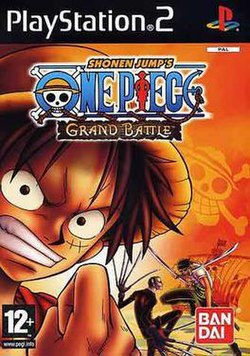 One Piece: Round the Land on PS2
 Taiko no Tatsujin: Dokodon! Mystery Adventure on Switch
 Taiko no Tatsujin: Don to Katsu no Jikū Daibōken on Switch
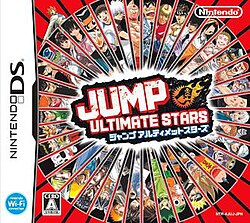 Jump Super Stars on DS
 From TV Animation - One Piece: Grand Battle! 2 on PlayStation
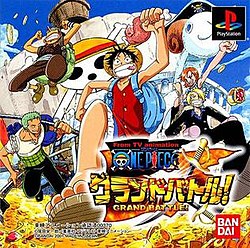
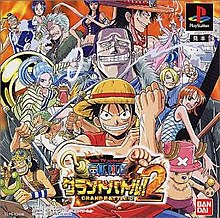 From TV Animation - One Piece: Grand Battle! on PlayStation
 One Piece Grand Battle! 3 on PS2












 Another SquareThought Site