

 Jan 2020
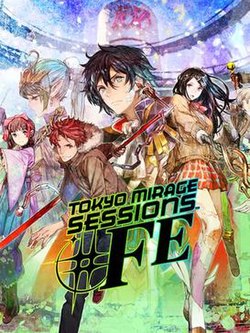

Tokyo Mirage Sessions ♯FE Encore arrives on Switch wearing sequins, a shamisen and an inexplicable amount of stage fog. It is the surprisingly cheerful child of Atlus's Shin Megami Tensei and Nintendo's Fire Emblem - a mash-up that, on paper, sounds like two oxidised musical instruments glued together and left to the mercy of a city full of pop idols. Instead, the game is an actually charming hybrid: a turn-based JRPG that treats combat like a rehearsal and dramatic exposition like a cleverly timed costume change. Set in a stylised version of modern Tokyo - with real-life neighborhoods such as Shibuya and Harajuku remodeled into themed dungeons - the game casts you as Itsuki, an ordinary high schooler who gets dragged into the talent-agency-that-is-secretly-a-Mirage-fighting-organisation called Fortuna Entertainment. The premise is predictably anime (Mirages, Performa energy, opera rituals to summon dragons), but the execution leans into the pop-business trappings with unexpected affection. It is earnest about fashion, stage presence and the importance of hitting your cue, which is to say: it takes being ridiculous very seriously. Encore is not just a straight port. It folds in DLC, new costumes, a handful of Extra characters and story beats, and switches the baseline to the Western release's content choices - which caused more than a few raised eyebrows on the internet. If you like your RPGs with rhythm sections and existential glitter, this one is for you.
Atlus built the combat system like a pop song: catchy, layered, and designed to make you clap along. The Unity system splits into two ritualistic-sounding sub-systems: Carnage Unity, which turns Performa (the game's battle-earned currency of approval) into weapons carrying teachable skills; and Radiant Unity, a less stagey method of unlocking permanent Radiant Skills by raising a character's Star Ranking and completing side stories. The result is a weapon-based skill inheritance loop that rewards both grind and flair: level up, inherit useful commands, and slot in Session Skills until the numbers read like the lyrics to a power ballad. Battles punch in on a turn-based stage. Most fights reward you for exploiting strengths and weaknesses like any respectable Atlus-derived system - but here, doing so lights the stage for Session Attacks. These are chain reactions where one character's exploitation of a weakness triggers an automatic follow-up from another character with a matching Session Skill. They cascade beautifully. If you like watching combos extend themselves like a Rube Goldberg machine for damage, you will love this. Enemies also do the same to you, which keeps things honest and occasionally humiliating. The game borrows some Fire Emblem baggage - the Weapon Triangle-esque affinities are present, but you should not expect a tactics game. The Fire Emblem elements are mostly aesthetic: Chrom, Caeda, Tharja and others appear as Mirages, summoned allies rather than playable medieval knights. If you bought the game expecting a parade of Fire Emblem callbacks, you may feel like you ordered a sword and received a microphone. Gameplay-wise, the meat is more Persona than conquest. There is a focus on character growth through performing well: achieving quick victories, pulling off long Session chains, and generally reading the audience (who are, amusingly, Mirages) raises Stage Levels and unlocks new Radiant Performa. Exploration alternates between real-world Tokyo and the Idolaspheres: performative dungeons themed around locations like Shibuya 109. These dungeons are literal concert stages where mirrors, fashion motifs and pop-culture traps are presented as puzzles. Puzzles are rarely brain-melting; they are more like mild intermissions, occasionally padded by backtracking and a smattering of fetch quests. Some reviewers complained that dungeon design can drag; that is fair - the game occasionally leans on repetition and long corridors to pad its runtime. Still, the reward loop of finding treasure chests, merchant-Mirages and the odd new weapon keeps the pace moving. Encore honoured the original's DLC by folding previous extras into the base package and adding new story content plus bonus party members. It also introduced costumes - some themed to Persona 5 and other Atlus properties - because nothing says 'cross-promotion' like your idol wearing a Phantom Thief jacket. The Switch release uses the Western baseline for content, which sparked controversy in Japan because of changed costumes and other regional edits; Nintendo apologised for the communication on that. Whether you care about censored swimsuits is largely down to how many hours you intend to spend in the wardrobe screen. There is a surprising role-playing satisfaction to be had in balancing Radiant Skills, Carnage weapon inheritance and Session chains against enemy composition. Boss fights can sometimes stretch into endurance marathons; the spectacle is often great, but the stakes occasionally boil down to how much time you're willing to spend grinding. For those who enjoy system optimisation and watching numbers explode in a chorus of effects, the game is a rewarding stage show.
Tokyo Mirage Sessions dresses the Wii U's dated engine in far brighter colours for Encore, but you will still notice a few rough edges. The overall aesthetic is deliberately vivid: character art by toi8 uses high saturation to evoke idol culture, while Minaba's Mirages keep a darker, knobbier design. The contrast works - the real-world Tokyo locations look neon and glossy, and the Idolaspheres lean into fantasy motifs with theatrical flair. Technical fidelity will not make your tech-savvy cousin weep with joy. The environments are stylised more than detailed, load times can be long, and some textures betray their console-generation origins. The animated cutscenes, however, are a strong point: Studio Anima and Studio 4°C turned performance sequences into full-motion events, and the choreographed musical numbers (produced in cooperation with Avex Group) are legitimately show-stopping. The game captures the idea of a stage performance better than many modern engines manage a single facial animation. Sound is the production's ace. Composer Yoshiaki Fujisawa and a team of Avex-affiliated musicians produced a soundtrack stuffed with vocal tracks, groovy themes and stage-ready motifs. The voice cast not only talks - they sing, and the songs are a highlight. Encore adds even more music to the collection. The localization decision to keep Japanese audio and subtitle everything for the West is sensible: the performances retain their intended tone, and replacing them with English singers would have been a logistical nightmare (and delayed the release). If audio design were a costume, it would be embroidered, bedazzled and given a standing ovation.
Tokyo Mirage Sessions ♯FE Encore is a well-tailored oddity: part Atlus battle machine, part idol-management musical, and part Fire Emblem cameo reel. It does not always blend its influences in the way every fan might expect - Fire Emblem lovers may grumble about the lack of direct game mechanics borrowed from the series - but it creates a distinct voice of its own. The combat systems are smart, the music is terrific, and the characters (even when leaning into archetypes) are consistently entertaining. If you want a textbook, grim Atlus experience, this is not it. If you want a pop-driven RPG that lets you watch combos cascade like applause, enjoys a side-serving of drama and is not ashamed of its glitter, Encore is a delightful encore (pun fully intended). The Switch port smooths some rough edges, packages extra content neatly and gives you a cleaner way to binge the vocal collection. It stains your hands with sparkles, offers mildly repetitive dungeon work, and rewards attention to systems - which is, frankly, a decent way for a JRPG to behave. Verdict: a confidently strange, frequently charming JRPG that knows when to hit the chorus and when to let the solo run. If you like your role-playing served with a chorus line and fewer tactical maps, Tokyo Mirage Sessions ♯FE Encore is worth a ticket.
 Jam Sessions on DS
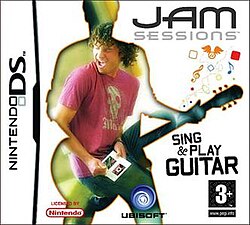 Jam Sessions 2 on DS
 Combat Elite: WWII Paratroopers on PS2
 The Banner Saga 2 on PS4
 Arcania: The Complete Tale on PS3
 Gnosia on Xbox Series X/S
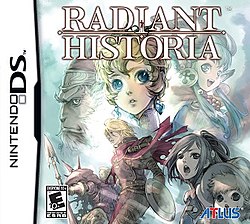
 Radiant Historia on DS
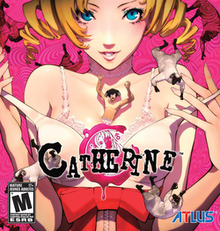
 Catherine: Full Body on PS4
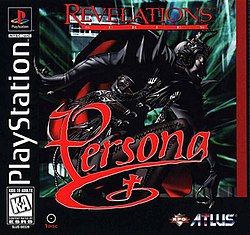
 Persona on PlayStation
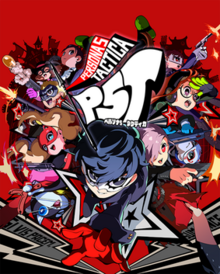
 Persona 5 Tactica on Xbox Series X/S
 Catherine: Full Body on Switch










 Another SquareThought Site