

 Feb 2018


Typoman is that rare beast that asks you to think like a crossword puzzle on steroids while navigating a moody, monochrome world that looks like it was designed by a poetry professor with a fondness for shadows. The premise is delightfully simple: you play HERO, a scrappy little silhouette in a grim landscape, and your power is to form words out of letters strewn across the levels. Those words don't just exist for wordy pride - they physically alter the world. Spell "up" and the elevator obliges. Type "open" and doors throw their hinges like they're surprised to be useful. The Switch version carries over the charm of the original releases and the subsequent Revised edition improvements, delivering a compact, clever puzzle-platformer that trades in bullets for verbs and platforming precision for puns. If you've ever wanted to solve a physics puzzle by making a noun blush or a verb do the heavy lifting, Typoman is the kind of game that will make you grin and groan in equal measure. It's got atmosphere, personality, and a gimmick that never fully overstays its welcome. On the other hand, it won't hide the fact that it's a short, focused experience - one that feels like an intense, word-based short story rather than a sprawling novel. For the right mood and the right snack (I recommend something crunchy for syllable-counting), Typoman on Switch is a quirky date-night with language itself.
Gameplay in Typoman leans on a single, brilliant conceit: letters are objects, words are tools, and puns are sometimes the only way forward. Each level presents environmental puzzles where letters are either part of the scenery or collectible tiles you can rearrange. You don't type on a keyboard mid-platformer; instead you push, pull and combine letters to form words. A platform will rise if you spell "up," a door will unlatch for "open," and occasionally the game will demand you think sideways, as in using wordplay to change not only what is there, but what it means. Early puzzles teach you the basics in a gentle, slightly smug way: use the obvious words for obvious solutions. Later stages develop a taste for slyness. Typoman delights in asking you to invent puns or homophones to manipulate objects: turn a "rock" into a role (or the other way around) by reusing letters, or make the environment do an about-face by changing a single character in a word. This is where the game shines most - when a clever turn of phrase becomes a clever turn of physics. It stimulates that same part of the brain that cheers when you spot a pun in a meme and simultaneously judges you for laughing. Controls on the Switch are serviceable and straightforward. HERO moves like a nimble silhouette, and letter interaction feels tactile: you shove letters, drag them into place, or use the environment to flip them around. The game walks a tightrope between platforming and puzzle solving; it rarely asks for pixel-perfect jumps, preferring thoughtful placement. That design choice will please puzzle fans and frustrate action purists who show up expecting Super Mario level reflexes. Difficulty is mostly gentle, but the pacing can be uneven. There are moments of delightful "aha!" followed by stretches where the solutions hinge on particularly nerdy wordplay, and you might stare at a jumble of letters like a person trying to communicate with a pet rock. The game is deliberately short - the experience is tight and polished but leaves you wanting more. Typoman: Revised (the edition that made its way to other consoles and PC) tidied up some design and graphical rough edges, and the Switch port benefits from those improvements, though it's still the same lean puzzle-platforming poem at heart. Expect 4-8 hours depending on how much you luxuriate in linguistic mischief.
Typoman's visual identity is one of its best party tricks. The world is moody and minimal, rendered in heavy blacks, greys and muted tones that make the occasional letter glow like a neon confession. The art direction has an almost hand-crafted look, as if someone cut the levels out of old book pages and then set them on fire for dramatic effect. Characters and foes are shadowy and suggestive rather than explicitly detailed, which works perfectly for a game about the power of words and meaning: the less literal the visuals, the more your brain fills in the blanks with imagination. Switch performance is steady; the game's style helps it a lot because it doesn't demand photorealism, it demands atmosphere. Frames stay smooth, and transitions between scenes have a cinematic, illustrated vibe. The audio complements the visuals with brooding soundscapes and subtle musical cues, though the soundtrack rarely yells for attention - it's the kind of background composer that knows when to whisper. Critics historically praised Typoman's art style, and the accolades for visual design are well-earned. If you like games that look like illustrated fairy tales written by someone who enjoys existential one-liners, this one has aesthetic receipts.
Typoman on Switch is a clever little puzzle-platformer with a singular hook: language as a physical tool. Its moody art, clever puzzles and that deliciously geeky requirement to think in puns make it a charming diversion for players who enjoy smart, contemplative games. It won't satisfy those looking for long playtimes or frantic action, and its best moments are sometimes offset by a handful of puzzles that demand very specific wordy thinking. The game's length and occasional uneven puzzle design explain why reception was mixed when it first launched, though the Revised version's cleanups help. Ultimately, Typoman is a boutique puzzle experience - short, stylish, and smart in a way that will make crossword fans feel smug and everyone else feel like they learned a new linguistic trick. If your Switch library needs something that isn't about loot boxes or loot-filled rabbitholes, and you want a game that treats words like gadgets, Typoman is a neat little purchase. Consider it a weekend date with semantics: sweet, slightly haunting, and over before you can properly ask it to meet your parents.
 Twinbee Taisen Puzzle Dama on PlayStation
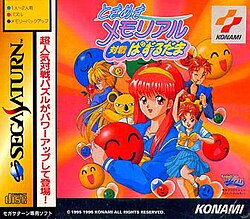
 Tokimeki Memorial: Taisen Puzzle-Dama on PlayStation
 Professor Layton and the Last Specter on DS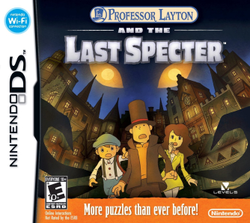










 Another SquareThought Site