

 Jan 2021


If you like your mysteries with a side of gothic mansion vibes, existential bickering with witches, and plot layers thicker than a triple-decker conspiracy sandwich, then Umineko When They Cry Saku on Switch is the sort of chaotic brain-gym membership you never knew you needed. Saku is essentially the 'omnibus' edition: a compilation of all the official visual-novel content in the Umineko saga, bundled together with two new scenarios ("Our Confession" and Episode 9: "Last Note of the Golden Witch") and presented for Switch as "Nekobako to Musō no Kōkyōkyoku" (yes, the subtitle translates roughly to "Symphony of Catbox and Dreams," which is adorable and eerie in just the right amounts). This is not a button-masher, a platformer, or a first-person detective sim. It's a sound novel - that old-school visual-novel cousin that prefers dense prose, atmospheric music, and long bouts of intellectual duel to flashy gameplay. If you're patient, curious, and enjoy getting emotionally mugged by a six-day island full of secrets, Saku has a seat saved for you.
At its core, Umineko is reading. Lots of reading. Imagine the smartest, moodiest audiobook crossed with a board game of logic where the stakes are family gold, identity crises, and the occasional explosion. The story centers on the Ushiromiya clan gathering on Rokkenjima, an isolated island where an old epitaph and a rumored witch named Beatrice inspire murder, metaphysics, and long-winded debates about whether magic is real or just very committed lying. Gameplay mechanics are minimalist by design. You advance text, flip through character tips, and unlock epilogues that drip-feed additional revelations. The original 07th Expansion designates this series as a "sound novel" - emphasis on audio to build atmosphere - and Saku follows that tradition: music, sound effects, and carefully composed ambiance do much of the heavy lifting, often doing a better job at making you suspicious of a teacup than any jump-scare could. The visuals are mostly static character sprites and backgrounds, but they do their job: when the words ask your imagination to run, the art politely provides a few well-placed pushpins. A major part of the fun is the meta-game: the story is presented as a contest between Battler (the skeptical human) and Beatrice (the witch), with readers essentially being invited to take a side or try to solve the riddle. The first four arcs (the "Question Arcs") present mysteries; the later four (the "Answer Arcs") deepen the analysis and reveal new angles. The series is almost entirely linear - there are only limited interactive moments, most notably in the final game Twilight, where a tiny bit of player choice matters. For the most part, your "agency" is intellectual: you're encouraged to gather clues, flip open the Tips Mode for background info, and wrestle with red-text/blue-text logic duels as Battler and Beatrice slash at each other's theories with rhetorical swords. Saku's real selling point is scope. This compilation includes every canonical episode plus extra scenarios, so what you're buying is not an evening mystery but a long-term commitment: expect dozens upon dozens of hours to chew through everything. The pacing can feel sluggish at times - Ryukishi07 luxuriates in the explanation and the argument - but the payoff comes in emotional density and the satisfaction of watching threads knot together. Be warned: the plot is deliberately baroque. Characters shift identities, alternate realities pop up, and the narrative occasionally pretends it's a philosophy seminar with dramatic costumes. If you love puzzles that double as character studies and don't mind being occasionally baffled, you'll love it. If you want instant gratification, this will test your patience.
If you came expecting AAA realism, prepare to be gently disappointed - and then pleasantly surprised. Umineko never pretends to be about cutting-edge visuals; instead the game relies on expressive character sprites, evocative photographic backgrounds, and carefully staged images to set tone. Saku's Switch port contains the polished presentation you'd expect from a remaster/compilation: sprites based on Ryukishi07's originals with some releases borrowing Kei Natsumi manga-inspired art, clean UI, and a resolution that looks tidy on the handheld. The strength here is design coherence rather than flashy animation. A single panel, a change in music, or a sliver of red text can flip a scene from mundane to monstrous, and the art supports that pivot without overstating it. If you value atmosphere over polygon counts, the visuals are perfectly tuned: clear, sometimes haunting, and occasionally adorable in a way that makes the witches' monologues even more unnerving. The audio, by the way, is top-tier for a VN: several theme songs, evocative endings, and a soundtrack that earns the 'sound novel' billing by elevating silence and reverb into characters of their own.
Umineko Saku on Switch is a big, weird, and deeply rewarding package for anyone who loves slow-burning mysteries, metafictional showdowns, and stories that force you to think and feel in equal measure. It's long, occasionally dense, and contains enough plot contortions to make your high school logic teacher proud and slightly alarmed. The presentation is clean, the audio is excellent, and the compilation format makes this the definitive way to experience the entire Umineko visual-novel canon on a Nintendo Switch. This isn't a lightweight pick-up-and-play title. It expects attention, curiosity, and a willingness to be intellectually sparred by witches who are excellent at rhetorical one-two punches. If you like being challenged, emotionally tugged, and occasionally gaslighted by fiction (in the best possible way), give this 8/10 package a try. If your gaming diet is strictly "I must always be moving," maybe keep this on the shelf for a rainy weekend when you want your brain thoroughly exercised and your heart mildly shredded.
 Digger HD on PS3
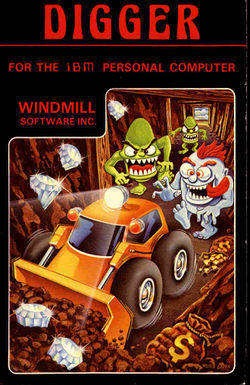 Army Men: World War on PlayStation
 Root Film on PS4
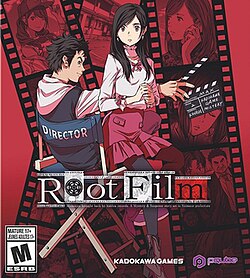 Tokimeki Memorial Drama Series Vol. 3 Tabidachi no Uta on PlayStation
 Oshiete! Popotan on PS2
 White Album on PS3
 Gensō Rōgoku no Kaleidoscope on PS4
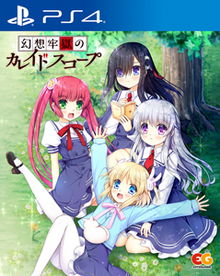 Kaleidoscope of Phantom Prison on Switch
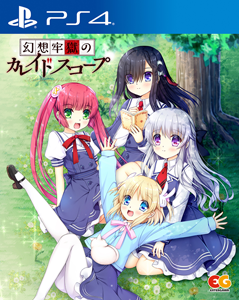 Gensō Rōgoku no Kaleidoscope on Switch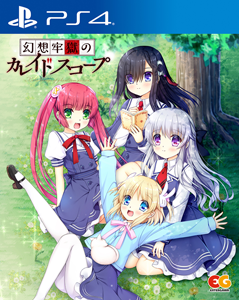









 Another SquareThought Site