

 Mar 2026
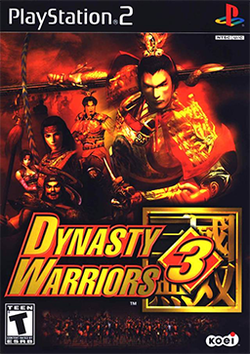

Dynasty Warriors 3: Complete Edition Remastered arrives on Xbox Series X/S as the nostalgia-fueled, UE5-powered resurrection of a 2001 cult classic. The original DW3 was the installment that turned Omega Force's hack-and-slash curiosity into a bona fide genre template: massive crowds, simple but satisfying combo loops, and the first taste of two-player split-screen chaos. This remaster is billed as a "modernized" Complete Edition built in Unreal Engine 5, released as part of the series' 25th celebration. For a reviewer who cares more about polygons per second than lore fidelity, the most interesting question is whether the jump to modern tooling actually improves the technical underpinnings that made (and sometimes broke) the original experience.
Gameplay in the remaster remains faithful to the Musou lineage: you pick an officer, run a gauntlet of cannon-fodder soldiers, wreck enemy officers, and ultimately take down the enemy commander. The core loop is gloriously intact - button-combo chains, a Musou gauge that feeds powerful cinematic attacks, and stage objectives that influence allied morale and AI behavior. The underlying systems that define DW3's feel are still present: morale increases allied aggression and combo follow-through, stage-specific events alter progression, and items (normal, red, and equipment) modify character stats and situational starting conditions. From a systems perspective, the Remastered Complete Edition consolidates the original DW3 mechanics with the Xtreme Legends expansion's additions. The weapon progression model (originally capped at four weapon levels per character in DW3, with a fifth level added by Xtreme Legends) persists, and the RPG-adjacent stat progression - attack, defense, life bar and Musou bar increases via drops from officers and gate captains - is still the scaffolding that turns a run of button-mashing into a measurable growth curve. This combination keeps low-skill accessibility while rewarding time invested in character builds and weapon upgrades. Multiplayer remains a highlight: the classic horizontal split for local co-op is preserved, with co-op retaining saved statistics and granting the ability to perform enhanced Musou "Special Attacks" when synchronizing moves - a design detail that scales cooperative play without breaking single-player balance. The one-on-one mode rebalances stats to defaults for fair duels, which shows a pragmatic approach to multiplayer design in a game originally built for split-screen on consoles that had far less headroom than modern hardware. On the design side, stages are a mixture of historical setpieces and Omega Force's stage-crafted fiction, recreating fights like Yellow Turban and Red Cliffs while adding bespoke events to amplify variety. The remaster's "Complete Edition" positioning suggests inclusion of the wider character roster (DW3 shipped with 15 initial characters and unlocked additions) and the Xtreme Legends roster and features, which retains the series' trademark of an expansive cast where each character has unique weapon archetypes and attack strings. A technical caveat inherited from the original: the formula thrives on high enemy counts and fluid animations, which historically pushed the PS2/Xbox era engines into fogging, frame hiccups, or draw-distance tricks. The remaster's use of Unreal Engine 5 is explicitly intended to modernize that backbone, but the extent to which it rewrites enemy AI, pathing, and crowd-simulation loops - all critical to how "epic" a stage feels - is the crux of whether this is a pure facelift or a deeper systems upgrade.
The original DW3 already boasted an "updated graphics engine" for its time, trading PS1-era limitations for higher-quality textures and environments. It also had notorious technical compromises: fog was used as a performance crutch on PS2, and reviewers noted occasional slowdown in two-player mode. The Remastered Complete Edition moves the entire architecture into Unreal Engine 5, which opens several practical improvements: asset density, higher-resolution textures, and modern lighting pipelines. UE5 also provides developers with tools to handle geometry streaming and large environments more efficiently than the fixed-function consoles of 2001. What you should expect visually on Xbox Series X/S is a vastly reduced reliance on artificial fogging and tighter draw-distance behavior. UE5's streaming and virtualized geometry systems (Nanite, as a conceptual example) make it feasible to populate battlefields with more detailed props and foliage without resorting to the old fog trick. Lumen-like global illumination can give Musou-style special attacks and spell-like animations better bloom, bounce lighting, and more coherent reflections, improving readability when hundreds of soldiers light up a screen with sparks and magic effects. Animation and character fidelity get a genuine boost too. Dynasty Warriors 3 historically won Animation Magazine's "Best Overall Game Animation" award, and modernizing those rigs in UE5 can preserve the impactful, exaggerated motions while offering more nuanced facial and cloth simulations. On Series X/S, the platform's memory and I/O means shorter load times and more stable streaming of stage assets, which reduces texture pop-in and helps keep frame-pacing even during heavy on-screen action. Audio was a weak spot in the original release: low-quality English voice acting and music presentation were frequently criticized, with the option to switch to higher-quality Japanese audio being a notable save. The remaster's "Complete Edition" branding implies an audio refresh; given current standards, expect higher bitrate audio, rebalanced mixes, and (hopefully) an option to toggle between original and remastered voice tracks. The Xbox Series hardware is fully capable of multi-channel mixes and lower-latency audio streaming, so the platform itself shouldn't be the limiting factor. That said, the technical execution matters: UE5-driven visuals can be gorgeous, but only if optimizations for large-entity counts are handled server-side (not applicable here) or in the CPU/GPU thread management and LOD strategies. If Omega Force chose to preserve the original enemy spawn logic without reworking AI and culling strategies, some stages could still tax the CPU and produce dips, even on Series X. The remaster appears to have the toolset to solve these problems; the end result depends on how much of the original systems were refactored versus simply reskinned.
Dynasty Warriors 3: Complete Edition Remastered is a technically interesting package: it pairs a classic, tightly tuned Musou design with modern engine features that could - on paper - make the old problems (fog, audio fidelity, draw-distance) disappear. For veterans, the remaster offers a cleaner, higher-resolution stage to replay old favorites and the Complete Edition's broader content set. For newcomers, it provides an accessible entry point into the series' archetypal crowd-combat loop without the visual and audio limitations of 2001. This release earns its place as a solid, if not revolutionary, remaster. It leans heavily on the strengths of UE5 and the Series X/S hardware, and where it succeeds most is in updating art, lighting, and audio pipeline while preserving the simple joy of mowing down waves of soldiers. Its limitations are conceptual rather than cosmetic: the series' repetitive stage objectives and formulaic structure remain intact, so the remaster is an upgrade in fidelity rather than a reinvention of systems. If you care about technical polish and want to experience an influential hack-and-slash in 4K with modern lighting and fewer fog tricks, this remaster is worth a look. If you were hoping for a complete overhaul of AI, stage design, or core pacing, temper expectations: the soul of DW3 is unchanged. For what it sets out to do - bring a milestone musou to modern hardware with a sensibly updated tech stack - it succeeds. Score: 7.5/10.
 PS5 Disc Console vs. PS5 Digital Edition: Which One Should You Get?
 Dynasty Warriors 8: Xtreme Legends Complete Edition on PS4
 PlayStation Home on PS3
 Gaelic Football '25 on Xbox Series X/S
 Together! The Battle Cats on Switch
 Crash Bandicoot: The Wrath of Cortex on PS2
 Wild Hearts S on Switch 2
 Dynasty Warriors 8: Empires on PS4
 Dynasty Warriors: Origins on PS5
 Attack on Titan 2 on Switch
 Attack on Titan 2: Final Battle on Switch










 Another SquareThought Site