

 May 2025
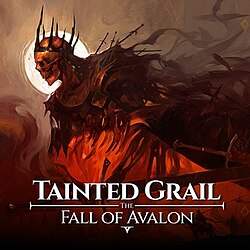

Tainted Grail: The Fall of Avalon is the kind of game that whispers "Elder Scrolls, but gloomier," then slaps you with a Wyrdnight and asks whether you've brought a spare soul. It drops you into a sickly-sweetly poisoned version of Arthurian myth where the Red Death and a reality-warping force called the Wyrdness turned Avalon into a moody, untrustworthy open world. You start as a prisoner, discover you're tethered to the long-dead King Arthur's fragmented soul, and are given the oh-so-subtle task of collecting soul pieces so the king can come back and do king things. If that sounds dramatic, it is - and the whole game treats drama like a crafting ingredient. If you pick this up on Xbox Series X/S you're signing up for a first-person open-world RPG that borrows heavily from the exploration and sandbox instincts of big-name fantasy RPGs, but with a darker, often unsettling aesthetic and a lot of weight placed on your choices. There's also an optional third-person mode for accessibility reasons if you prefer to look at your character instead of seeing through their eyes while they mutter about destiny. Reception was mostly positive with critics praising exploration and narrative, but it shipped with a handful of technical hiccups and some awkward character models. For challenge junkies, Tainted Grail offers a very particular brand of test: not just in combat, but in stamina, planning and moral endurance.
Where this game tests you isn't limited to whether you can click the right button when a giant wyrd-beast lunges. Tainted Grail spreads the challenge into multiple systems, so winning comfortably requires more than twitch reflexes. From the very beginning you get subjected to an interrogation-style character setup: your answers nudge your initial stats. It's a neat little psychological test that rewards reading the situation and planning around it. That early touch sets the tone: you will need build intent. If you try to be a jack-of-all-trades without committing, the game will punish indecision in the form of wasted skill points and awkward combat scenarios. Combat itself lets you mix melee, ranged and magic tools. You can swing two-handed weapons for satisfying heft or dual-wield one-handed weapons for faster, more chaotic hits. You can also pull out bows and spells. The challenge is in learning when to swap roles mid-fight. Enemy variety and the Wyrdness' corruption mean that encounters are seldom copy-paste: a routine patrol can become a horror-show if Wyrdnight pumps the enemy levels up. That night-time escalation is a clever difficulty spike - it forces you to respect time and plan your routes instead of treating Avalon like a free-for-all sprint. On a practical level that means being mindful of camping locations, knowing where your safehouses are, and stocking resources for longer excursions. Resource and time management will be your bread-and-butter skills. Avalon has crafting, alchemy, cooking, fishing and even farming and house decoration systems. There's satisfaction in making a killer potion or a stew that buffs your exploration, but mastery here is a slow burn. Expect to spend hours sourcing components and learning recipes that actually make a difference. If you hate inventory tetris, you'll be tested: the sheer number of side quests (over 200 by the game's count) and item types means hoarding is tempting and inventory discipline is mandatory. Many missions offer moral choices and branching outcomes; the consequences are not always obvious. Decisions affect faction relationships and questlines, which means you need to think like a diplomat sometimes, not just a sword-swinger. Exploration and observation are proper skills here. The world is split into three main zones, each with its own tone and challenges, and the interplay between map reading and environmental storytelling is a key part of progression. The game rewards sketchbook journaling and paying attention to NPC tidbits; those little notes often point you toward solutions that brute force can't reach. That becomes especially important when dealing with factions: choices can shift your standing and even neutralize certain threats if you play the social game right. Word of warning though: some reviewers said the impact of choices can plateau after you join certain factions, so treat some early-allegiance gambits like punt plays, not absolute commitments. The game's approach to difficulty is less about fixed levels and more about situational spikes. Wyrdnight events crank enemy strength and spawn rates up, which can turn a farm run into a desperate defensive scramble if you carry the wrong loadout. That dynamic difficulty treats the map like an ecosystem that can betray you - learning to read weather, time and NPC warnings is a valid survival strategy. A clever explorer will keep a backup ranged weapon, a couple of crowd-control spells or consumables handy, and pick fights when the odds are favorable. Patience and preparation are punished less than arrogance. Narrative skill is its own meta-challenge. With a main campaign estimated around 25 hours and 50-70 total hours if you chase everything, the game asks for stamina. Choices ripple into long-term outcomes and relationships, so your ability to plan story arcs and prioritize quests competes with the immediate rush of clearing a dungeon for loot. It helps to be comfortable with note-taking and to occasionally ignore the shiny chest for a conversation that might unlock a better long-term reward. The pacing can be deliberately slow and contemplative; if you prefer straight-line, action-arc narratives, there will be stretches that feel like walking a moody art film where everyone cries and the soundtrack smells like peat. There are technical gotchas. Critics flagged visual glitches, quest indicator bugs and item looting issues that occasionally forced workarounds or reloading saves. That means another skill set: troubleshooting and patience. On Xbox that often translated into re-queuing quests, fast-travel toggling, and being ready to reapproach objectives if the game mislabels your target. It isn't game-breaking, but it nudges the difficulty needle for players who prefer uninterrupted flow. All told, Tainted Grail is a test of multiple player competencies: build planning, resource/time management, situational combat switching, map literacy, social diplomacy, long-term narrative forecasting, and an extra dash of bug-handling zen. If you enjoy a layered challenge where each new system raises the floor on what 'winning' looks like, this game will feed you steadily. If you want a single, clean challenge curve, you might find it messy and occasionally unfair.
The visual style shoots for bleak, mythic beauty and often hits that mark. Environments are moody and atmospheric, the sort of places where mist and dead trees feel like characters themselves. Landscapes, especially in outdoor zones, are where the game's aesthetics do most of their heavy lifting: the world design and exploration beats were widely praised by critics and it's easy to see why. Wyrdnight sequences and reality-bending locales produce memorable set pieces that look great on an Xbox Series screen. Character models and some interior spaces are where the game trips on its cape. A number of reviewers described NPC faces as oddly plasticky - "Play-Doh skin" is how one put it - and some animations and dialogue performances are uneven. On the flip side, elements like hair rendering can look impressive, which makes the inconsistency more noticeable. Caves and some repeatable interiors also fall into visual repetition after long play sessions; the world is gorgeous in many places and a little copy-paste in others. Performance on Xbox Series X/S is generally serviceable but not flawless. Load times and framerate are acceptable most of the time, but glitches and quest-tracking bugs reported at launch occasionally impacted the visual and functional experience. If you're buying primarily for photogenic vistas and moody cinematics, you will be satisfied; if you care about every NPC having Oscar-caliber facial fidelity, prepare to be disappointed.
Tainted Grail: The Fall of Avalon isn't a simple 'beat-this-boss' video game - it's a slow-burn exam in how well you prepare, prioritize, and adapt. The combat and loot loop are honest and rewarding if you lean into strategy: mix weapon styles, craft and cook the right consumables, and don't be afraid to run from a fight you can't handle at night. Its open world offers a ton of content and choice, and the biggest hurdle is deciding what kind of player you want to be: a restless collector, a cunning diplomat, or a wandering troublemaker. You'll be tested on reflexes, but more often you'll be tested on patience, planning, and the ability to live with the moral consequences of your choices. Technical issues and some visual inconsistencies keep it from being a slam-dunk classic, but if you love exploration, branching narrative and dark Arthurian vibes, and you enjoy a game that demands systems-thought rather than button-mashing, this one deserves a place in your backlog. Consider it a solid, if occasionally rough, adventure: bring snacks, backups, and at least one good pair of boots for Wyrdnight runs. Score: 7.3/10.
 Tainted Grail: Conquest on Xbox Series X/S
 Matterfall on PS4
 Project Awakening on PS4
 Combat Elite: WWII Paratroopers on PS2
 Nobody Saves the World on Xbox Series X/S
 The Witcher IV on Xbox Series X/S










 Another SquareThought Site