

 Jul 2025
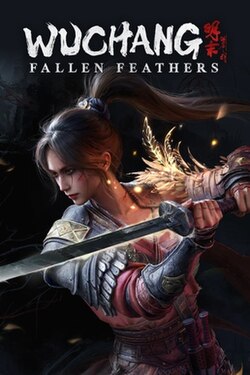

Wuchang: Fallen Feathers is the kind of game that saunters in wearing a dramatic cloak, stabs you with a gorgeous changdao, and then explains the meaning of suffering while you stagger away glowing with blood and newfound respect. Developed by Chengdu studio Leenzee and shepherded to consoles by 505 Games, this 2025 Soulslike action-RPG swaps familiar western gothic trimmings for a late Ming dynasty-inspired alternate history where a nasty thing called the Feathering Disease has turned the world into a very unfriendly wildlife reserve. You play as Bai Wuchang, a female pirate with amnesia and a fashion sense that leans toward demonic markings at inconvenient times. On Xbox Series X/S the game launched on Game Pass day one, which means you can dive in without selling your kidney - a considerate touch for budget-minded marauders.
If you like getting your ego repeatedly trimmed by exquisitely animated boss moves, you and Wuchang will be inseparable. Combat is fast, narrow in focus, and refreshingly technical for a Soulslike - think measured parries, precise dodges called 'shimmers', and the kind of weapon swaps that make you feel cunning rather than confused. Bai starts with Cloudfrost's Edge, a longsword inspired by the changdao, but the arsenal expands to five weapon types: longswords, one-handed swords, dual blades, axes, and spears. Each weapon carries its own weapon skill and shares discipline skills with its weapon family, which lets you mix-and-match builds with surprising freedom. Skyborn might is the main resource that fuels weapon skills, discipline moves, and spells. You don't just spam it from the menu; you earn it by playing well. Perform shimmers - the game's well-timed dodge mechanic - and you fill that bar like a pro gambler who actually understands odds. Swift draws let you swap weapons and immediately trigger their skill, which keeps encounters fluid and gives combat a satisfying choreography. Discipline skills are unlocked in the game's impetus repository, a skill tree accessed at shrines. The tree splits into six branches: one path per weapon type plus a general features path. It's refreshingly forgiving: points can be reallocated at no cost, so testing that ludicrous dual-blade, spear, shield hybrid isn't guaranteed to bankrupt your build choices. Then there's madness, which is equal parts narrative mood and gameplay thermostat. Killing humanoids or dying increases Bai's madness, while dispatching feathered enemies reduces it. At 50 percent madness her eyes go red for dramatic effect; at 90 percent demonic sigils slither across her skin and the game turns the dial further - certain upgrades scale better with elevated madness, but 90 percent also means you both deal and take more damage. The risk-reward is delicious: play teetering on the edge for power, or keep calm and avoid the inner demon entirely. Tip: if you die at maximum madness, your inner demon spawns and attacks everything - including you - which is an embarrassing but mechanically brilliant twist that will humiliate you more than heal you. Exploration is non-linear and pleasantly interconnected. The world is a web of seamless zones with some gated routes that open as you progress, so you can chase bosses out of order if you're stubborn or suicidal. Shrines act as checkpoints, the impetus repository lives there, and fast travel options exist once you unlock them. NPCs are numerous and often voiced in Sichuanese dialects, which adds atmosphere if you like your lore with regional spice. Choices matter: conversation options, quest decisions, and who you pluck from misery can twist the story and lead to multiple endings. For completionists there's New Game Plus, and the transmogrify system lets you look absolutely ridiculous while wearing endgame stats, because nothing says 'victory' like a mismatched helmet and enchanted robe. A few caveats: the game launched with some technical hiccups, mostly reported on PC, and the studio rapidly issued patches and compensation. Console builds received generally favorable reviews and the Xbox Series X/S experience felt polished for the most part. Also, if you are allergic to tight timing, expect a learning curve. Parry and deflect mechanics depend on your equipped disciplines, so button-mashing won't carry you through boss gauntlets - but when things click, the combat sings. Overall, it's a gameplay loop that rewards practice, creativity in loadouts, and a stubborn refusal to let a boss have the last laugh.
Built in Unreal Engine 5, Wuchang is a visual love letter to Sichuan's landscapes filtered through a supernatural grimness. The environments range from misty mountain temples to plague-stained villages and even a sequence riffing on the Leshan Giant Buddha - which is both impressive and slightly unnerving when it watches you die for the fourth time. Leenzee leaned on archaeological motifs like Sanxingdui and Jinsha, plus Ming-era clothing influences, so armor and architecture feel rooted in a recognizable cultural palette rather than generic fantasy paste. Transmog options mean you can farm the most horrifyingly ornate helmet and still keep the stats of something sensible, preserving both style and survivability. Boss design is where Wuchang really struts. Creatures take cues from Chinese mythology and folk tales: big, weird, and endowed with sudden, rude attacks. Fight choreography and animation are top-tier; attacks telegraph clearly, but in a way that makes victory feel earned instead of accidental. The UI is lean and the HUD minimal if you want it that way - a design choice that nudges players toward learning moves visually instead of spoon-feeding them. The soundtrack, composed by Anti-General, mixes traditional Chinese instruments with modern flourishes and electric guitar riffs, which makes running into a corrupted shrine feel like entering a very dramatic music video. On Xbox Series X/S the game's lighting, particle effects, and character models hold up well, though performance depends on your chosen display mode. In short: it's gorgeous, gruesome, and occasionally glittery when it should be.
Wuchang: Fallen Feathers is a confident, culturally textured Soulslike that manages to feel fresh without reinventing the wheel. Combat is tight, the madness system adds a deliciously risky layer, and the non-linear world invites exploration and experimentation. It stumbles a little on launch-day technical issues, mostly on PC, but the developer's rapid patching and the generally favorable reception on Xbox Series X/S make those problems feel like speedbumps rather than sinkholes. If you enjoy methodical, high-skill combat, inventive boss fights, and a world that borrows from real archaeological and literary flavors, this is worth your time - especially if you can grab it on Game Pass and avoid the temptation to sell your organs for a physical copy. Final verdict: an excellent entry in the modern Soulslike stable, equal parts beauty and brutality, with heart, horns, and a great hat for dramatic exits.
 Malicious Fallen on PS4
 Prince of Persia: The Fallen King on DS
 Combat Elite: WWII Paratroopers on PS2
 Onimusha: Dawn of Dreams on PS2
 Action Man: Operation Extreme on PlayStation
 Project Sakura Wars on PS4










 Another SquareThought Site