

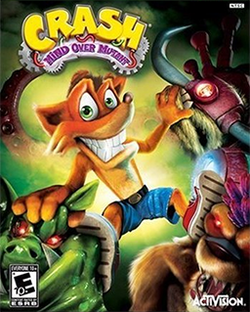

Crash: Mind over Mutant arrives in the twilight era of the PlayStation 2 like a party guest who is here for nostalgia and snacks. Developed by Radical Entertainment and shepherded onto PS2 by the omnipresent console porting gods, this entry keeps Crash's trademark manic energy but straps a smartphone-shaped villain to the plot. The NV, a thinly veiled jab at the modern personal digital assistant, takes over minds with bad mojo and subscribes to everything that looks suspiciously like consumerism. The game's tone leans into satire; it makes jokes about SUVs, the price of gas circa 2008, and the fact that even evil plans need an app. In fairness, satire is an odd thing to tuck into a platform beat 'em up starring a mutant marsupial, but Mind over Mutant wears it like a slightly confused costume. The PS2 build is the smallest of the console bunch, having been scaled down from a Wii-first development pipeline. It therefore feels a bit like someone made a big, colorful cake and then cut a few slices off for compatibility. Those slices are tasty, but you might occasionally notice crumbs and a lack of icing. The game is enjoyable in a straightforward, unpretentious way: voice acting and cutscenes mostly hit the comedic beats, the combat gives you that satisfying thump, and the world is open enough to encourage poking around. The PS2-specific oddity is Carbon Crash, a white-furred off-brand Crash who fills the co-op slot because memory was apparently feeling shy that day. If you want to judge a game by the firmness of its jokes and the solidity of its jacks, this one mostly stands up.
Mind over Mutant trades the old linear level ladder for a mission-based, free-roaming playground. Think of Wumpa Island like a theme park with slightly suspicious safety regulations: players wander between hubs like the Ratcicle Kingdom, the Rhinoroller Desert, and the Sludge Junkyard, take missions from NPCs with exclamation marks hovering over their heads, and tackle objectives that range from breaking things to persuading Titans not to murder you for their lunch. The narrative pushes you forward, but the world encourages detours, collectibles, and the kind of busywork designers hope you call exploration. Combat is the meat and the gum stuck to the meat. Crash has light and heavy attacks, blocks, dodges, and counters. Enemies drop Mojo when defeated; Mojo is the upgrade currency, because of course even cartoon violence pays dividends. Small foes fold after a combo; Titans, the larger beasts from the previous installment, carry a star meter that, once filled, lets you 'jack' them - mount them, take control, and temporarily become a mobile catastrophe. Titans have their own health pools and a purple Titan Meter for special attacks. New-ish to the series is pocketing a Titan for later use, which is an excellent feature if you like keeping nuclear options in your cargo pants. There are power-ups scattered across the world: golden stopwatches trigger short minigames, red running shoes buff your kick attack and sprint, and Quad Damage multiplies your hurt factor by four until you remember to stop feeling so powerful. When you're riding a Titan, collected Mojo goes toward the Titan's upgrades rather than Crash's, which encourages a strategy of alternating between personal upgrades and investing in your beefier friends. Some Titans can shoot projectiles, others are melee monsters, and all of them are slightly more appealing than the NV marketing team. The mission structure was designed to be cooperative; a second player can drop in at any time on PS2. The co-op implementation on PS2 uses Carbon Crash as the second character, who first appears as a floating mask and then can enter and leave the action. The mechanic is handy for overpowering groups and farming Mojo, which is reassuring because farming is what heroes do when the plot needs pacing. Where the game trips is mostly mechanical and camera-related. Full camera control was considered during development but was abandoned due to hardware constraints and the awkwardness of split-screen in co-op. Instead, the camera is fixed and occasionally vindictive, creating memorable moments where a perfectly executed jump is undone by a viewpoint that is allergic to your success. Backtracking is also an oft-cited complaint; objectives sometimes require retracing steps across the same environments, which can make the island feel more like a circular maze than an open world. Difficulty is on the forgiving side; seasoned players may breeze through the beat 'em up framework and find the objectives repetitive rather than challenging. The game also layers in surprisingly careful production touches: Radical recorded more than 8,500 lines of dialogue to avoid boredom, and the cutscenes are hand-crafted in different 2D styles ranging from anime homages to South Park riffing. The writing leans into satire and pop-culture jabs, and most of the voice acting lands with the kind of enthusiasm that makes the jokes land harder than the occasional technical hiccup. In short, gameplay works best when you're OK with a comfy brawler that values humor and spectacle over mechanical invention.
Visually, Mind over Mutant is a mixed bag that politely asks for your forgiveness. The Wii was the lead SKU, with visuals scaled up for Xbox 360 and scaled down for PS2. On the PS2, that scaling shows. Animations are improved from the previous title and the environments are acceptably detailed, but textures can be flat, draw distances are practical rather than picturesque, and special effects have been trimmed to avoid your console spontaneously combusting. Some reviewers called the PS2 visuals run-of-the-mill; that is accurate if you think 'run-of-the-mill' also means 'charmingly serviceable with a few nice flourishes.' Performance is where the PS2 occasionally admits it cannot keep up with the conversation. Frame rate drops happen during hectic encounters, and the hardware sometimes struggles with the number of effects on-screen. Players on stronger systems reported smoother frame rates, which suggests the aesthetic was intended to impress - and then the PS2 was asked to carry that ambition with a paper bag. Cutscenes are a highlight: varied 2D animation styles are used to tell the story, and the execution is creative, if occasionally jarring when the game snaps back to gameplay. The transitions can feel abrupt, but the artworks themselves are frequently delightful, offering visual surprises more interesting than another punch into a textural field. Character design received a few eyebrow-raises. Crash's look has changed subtly over the years, and some critics found the modern tweaks made him less iconic and more like a cartoon who had started taking himself seriously. Carbon Crash is visually practical and memorably odd, especially when viewed alongside Coco's absence on PS2 - she was trimmed from the version due to memory constraints, which feels like a compromise you can forgive if you are not deeply invested in playable sisters. Lighting and water effects are modest but occasionally pleasant, with reflective ice and transparent water getting nods from reviewers who prefer their environmental cues readable rather than transcendent.
Crash: Mind over Mutant on PS2 is not trying to reinvent the wheel; it is trying to sell you a very colorful, well-voiced wheel that occasionally forgets it's a wheel and attempts a punch combo. It succeeds mostly where it wants to: delivering a family-friendly brawl with wry satire, funny voice work, and an inventory of Titans you will probably enjoy slotting into your pocket. The shortcomings are equally clear. The fixed camera is a persistent pest, the backtracking can feel engineered to pad playtime, and the PS2 build bears the compromises of being the smallest visual slice of a multi-platform pie. If you are a nostalgic Crash fan, a younger player looking for a bright beat 'em up, or someone who enjoys cutscenes that parody everything from anime to afternoon cartoons, this game will probably be a pleasant time-sink. If you demand tight camera controls, innovative mechanics, or a game that avoids repeating objectives like a stand-up comic who only knows one joke, then Mind over Mutant will feel like a missed appointment. I recommend it with the caveat that you play it as intended: informal, occasionally messy, and unashamedly humorous. Consider the 7.3 score a polite nod from someone who enjoyed the cake but admits they might have preferred more icing and fewer crumbs.
 Cricket 07 on PS2
 Crash of the Titans on PS2
 The Wacky History of Platform Games
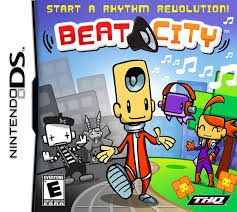
 Beat City on DS
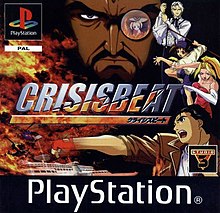
 Crisis Beat on PlayStation
 Capcom Beat 'Em Up Bundle on PS4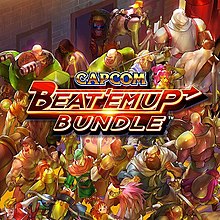
 NHL PowerPlay '96 on PlayStation
 Crash Tag Team Racing on PS2
 Prototype 2 on PS4
 Grid Runner on PlayStation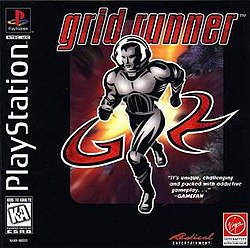












 Another SquareThought Site