



Reading Disaster Report in 2003 feels a little like finding a medieval chronicle in a back alley arcade: earnest, a touch overwrought, and utterly convinced that it is arranging the world around a single, grim thesis. The thesis here is simple and audacious for a console era dominated by aliens, sportsmen, and polygonal speed demons: the city itself can be the enemy. Irem has fashioned a PlayStation 2 game that trades monsters for masonry, and director Kazuma Kujo has the good taste to treat earthquakes as dramaturgy rather than spectacle. The result is a survival action-adventure that wants you to think about being trapped, about moral choices under pressure, and, yes, about how thirsty your protagonist is. Serious in tone and occasionally clumsy in execution, Disaster Report is the kind of oddball experiment that would have made for a memorable cover story in a 1990s games magazine - the one with the serious typography and the stern editorial cartoon about sequels.
Disaster Report outfits you with the sort of mechanics that would have made survival manuals of the 1990s blush: HP for health, QP for stamina, and a persistent sense that hydration is relevant to plot. You play Keith Helm, an earnest reporter whose first day on Stiver Island (Capital Island in the original Japanese) is interrupted by the island trying to kill him. That premise is about as subtle as a headline, and yet the game wrings genuine anxiety from it by making everyday survival tasks matter. Run too much without water and the QP bar collapses, then health follows. Water is scrounged from taps or bottled supplies, and you are frequently asked to decide whether to give it to an NPC companion. These small moral nudges accumulate into a gameplay loop that is more about stewardship than shootouts. Movement and exploration are the core pleasures. Buildings topple, aftershocks demand that Keith crouch to avoid being knocked down, and rubble forces you to find alternate routes through what should have been a familiar urban map. The world is a series of setpieces in which navigation is both puzzle and panic. You make choices about companions - at one key junction you can escort Karen or Kelly, and each choice opens different areas and story threads - and those choices ripple, contributing to one of the game's seven possible endings. There is an inventory system with limited backpack slots and the promise of larger packs to collect, which turns item management into a minor strategy exercise: do you hoard rope, medicine, or that one silly accessory that makes Keith look like a man who misplaced his midlife crisis? Combat is negligible because the design insists it be so: most friendly characters are unarmed, and the real threat is the environment and the occasional goon hired by the construction company. The plot eventually reveals that the disaster was deliberate, a revenge plot hatched by the island's builder, Terry Stiver, and his partner Albert - which turns the game into a moral thriller as much as a survival sim. Choices you make at the construction company, whether you help the wounded William or flee for your own skin, have consequences and they never pretend to be binary. Keith's job as a reporter gives the game its investigative spine: you are encouraged to pry, to ask questions, and to file the exposé that Greg, a supporting character, dies asking you to write. Disaster Report is also stubbornly analogue in its presentation. There are no aim assists, no elaborate quick-time sequences; the challenges are spatial, temporal, and social. Aftershock sequences - where you must crouch to avoid being hurled like a discarded cereal box - are tense because failure means restart from a previous checkpoint, and the checkpoints can be sparsely placed. Inventory tedium and stiff controls make some sections feel like trudging through an emergency shelter, but if you can bear that pace, the game rewards you with a creeping sense of doom and human moments: small confidences, rescue attempts that go wrong, and the mournful death of Greg after a river chase and a helicopter ambush. The structure is branching without being so convoluted that you need a spreadsheet to follow it; your decisions are visible in the story, and the multiple endings give replay value for completionists with a masochistic streak.
Graphically, Disaster Report is a snapshot of the PS2's early years - not a system-melting showcase but a competent rendering of a city in collapse. Textures are often flat, character animations are sometimes stiff, and collision can be finicky enough to ruin a tense escape. Yet there is an odd charm in the way the game stages destruction: collapsing facades, leaking water pooling across tiled floors, elevators that have become tombs. Those setpieces are well-conceived and dramatic, even if polygon counts and draw distances betray the era. The visual storytelling is more important than photorealism; a tilted streetlight, a cracked billboard, or a flooded showroom roof communicates danger better than higher-res textures ever could. Sound design is functional and occasionally effective. Ambient creaks, shattering glass, and the distant rumble of aftershocks create an atmosphere of persistent unease. Voice acting ranges from serviceable to melodramatic, the latter in a way that will please anyone who remembers the theatrical earnestness of 1990s localization. The Japanese version earned some curiosity for supporting the Rez Vibrator peripheral, which is a footnote now but stands as evidence that the developers were willing to be experimental. Overall, the presentation is coherent: the city looks and sounds like a place you would not want to be trapped in, and that counts for a lot when the game's principal engine is tension.
Disaster Report is not a flawless classic. It is slow, sometimes awkward to control, and occasionally marred by technical limitations that were already showing their age in the mid-2000s. What it does that few games of its time dared is to ask the player to imagine a disaster as an adversary with no health bar and no headshots required. Its moral choices, survival mechanics, and branching narratives make for an experience that is intellectually interesting and intermittently thrilling. The reviews at the time were mixed - Metacritic hovers in the mid-60s and Famitsu scored it a respectable 32 out of 40 - and those numbers are fair. If you approach it expecting the polish of later survival titles, you will be disappointed. If you approach it like a curious 1990s critic with a notepad, some skepticism, and a taste for offbeat experiments, Disaster Report will reward you with a memorable, occasionally moving tale about people trying not to drown while the company that built their home argues in the background. It remains, decades later, a singular game: earnest, imperfect, and oddly necessary.
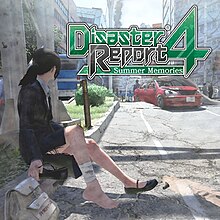 Disaster Report 4 Plus: Summer Memories on Switch
 A Duel Hand Disaster: Trackher on Switch
 Tintin: Destination Adventure on PlayStation
 One Piece Grand Adventure on PS2
 Taiko no Tatsujin: Dokodon! Mystery Adventure on Switch
 Onimusha: Dawn of Dreams on PS2
 Irem Collection Vol. 3 on Switch
 Irem Collection Vol. 2 on Switch
 R-Type Delta on PlayStation
 Irem Arcade Classics on PlayStation
 Arcade Archives: 10-Yard Fight on PS4












 Another SquareThought Site