



If you were hoping a licensed tie-in would be an emotional experience akin to the movie, you are in luck: Chicken Little the game replicates the film's plot with such fidelity that you can relive every scene without the distracting benefits of movie pacing, character development, or a runtime that ends before your patience does. The PS2 version, developed by Avalanche Software and published by Buena Vista Games, takes the relatively harmless plot of a panicky town, a falling sky, and some surprisingly calm poultry and turns it into a handful of bite-sized action-adventure levels. The voice cast mostly returns to bless the project with vocal performances, except for two replacements. The game was shown at E3 2005 and released alongside other Buena Vista-published titles, staking a quiet claim on the mid-2000s shelf of family-friendly console fodder. Reviews were, in the language of critics, "mixed or average," which is a diplomatic way of saying the game is perfectly competent at being not awful. For PS2 specifically, Metacritic sits around 60/100, which translates to: not a crime, but not a miracle either.
At heart, Chicken Little is a classic action-adventure sampler platter wearing a Disney logo. You mostly play as Chicken Little himself, with occasional level-specific swaps to Abby, Runt, Fish Out of Water-and, for reasons only a 2005 licensed adaptation could justify, Mayor Turkey Lurkey for one level. The objective is simple and charmingly unimaginative: get to the end of the stage. Obstacles, enemies, and platforming challenges politely stand in your way until you do. Each level contains five baseball cards to collect. These cards are the game's way of rewarding curiosity, and they unlock bonus mini-games in the multiplayer mode. Multiplayer exists, and while it won't be the reason anyone remembers their PS2 days fondly, it's a functional afterthought for kids who want to duel over who found the rarest assorted cardboard. Combat is straightforward and trimmed of any pretensions. Expect simple attacks, occasional special moves (depending on the character), and the kind of enemy design that leans toward 'harmless tinglers' rather than 'threatening foes.' Platforming duties ask for timing more than dexterity, which is good because the camera and some jump detection can be politely ambiguous. The controls are accessible-made that way on purpose, as the target audience includes younger players and any adults who get dragged in by nostalgia or poor decision-making. Level design is functional and film-faithful: whatever set-piece the movie used to say "look, there's an obstacle here" the game nods at and hands you a jump button. There's no deep progression system; you won't be reworking gear, discovering complex skill trees, or contemplating the existential weight of your feathered protagonist. Instead, you gather collectibles, unlock mini-games, and inch forward through a handful of nicely rendered stages. The pacing is brisk enough to keep a kid's attention and spare enough that annoyed parents can check email between loading screens. The game's occasionally clever touches come from its faithfulness to the movie's structure and tone. The performances (mostly the original actors) help; their presence nudges the game away from being just another generic platformer with a license. If you're looking for innovation, you're in the wrong coop. If you're looking for a neat, safe licensed adaptation that will entertain children and mildly amuse adults who enjoy dry, predictable mechanics, Chicken Little will do the job without causing scandals.
Graphically, the PS2 version is polite and presentable. Avalanche Software took the film's aesthetic and translated it into polygonal form with a clear understanding of the console's limitations. Characters look like their cinematic counterparts, environments are colorful and often a little cartoony, and the whole package is rendered with the kind of care that says, "we were aiming for the hearts of children and the wallet of a parent." There are moments where textures blur and pop-in reminds you that this is 2005-era hardware trying not to ask for more than a TV could give. Animations are serviceable; they sell the gags and the little character beats without attempting to reinvent expression. The camera does what cameras in licensed platformers historically do: oscillate between cooperative and mildly unhelpful. It will sometimes behave like a helpful friend and sometimes like a slightly distracted pigeon, but rarely does it ruin the experience outright. The soundtrack, composed by Billy Martin, provides pleasant accompaniment: jaunty and unobtrusive, it exists to remind you that everything is fine and whimsical. The voice acting slots in neatly. Two roles were recast-Abby and Mayor Turkey Lurkey-with Pamela Adlon and Jeff Bennett stepping in. The swap is notable mostly if you're listening for it; otherwise the game sounds like the movie on a good day.
Chicken Little on PS2 is the sort of licensed game that comfortably sits in the middle of the road and refuses to be dramatic about it. It does not aspire to be a genre-defining classic, nor does it try to be a stealth indictment of the concept of tie-in games. What it does do, admirably, is offer a competent, family-friendly action-adventure experience that mirrors the film's plot, contains collectible baseball cards to placate completionists, and includes multiplayer mini-games to keep sibling rivalries both contained and legally permissible. Critically, it performed as expected: mixed reviews, a Metacritic score for PS2 around 60/100, and even a nomination from the Academy of Interactive Arts & Sciences for Children's Game of the Year. That nomination is the game's polite way of saying, "we did our job." If you want a quick, harmless romp with familiar faces from the film and controls that won't make you regret your life choices, this is a passable choice. If you want depth, innovation, or something to show off as a display of taste, look elsewhere. Final verdict: satisfactory for its audience, forgettable in the grander library of PS2 offerings, and perfectly adequate if your main requirement is that the game behaves like a competent chicken and not like an angry raccoon.
 Little League World Series Baseball 2009 on DS
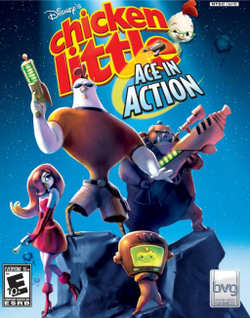
 Disney's Chicken Little: Ace in Action on DS
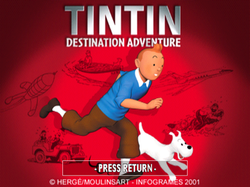
 Tintin: Destination Adventure on PlayStation
 One Piece Grand Adventure on PS2
 Taiko no Tatsujin: Dokodon! Mystery Adventure on Switch
 Onimusha: Dawn of Dreams on PS2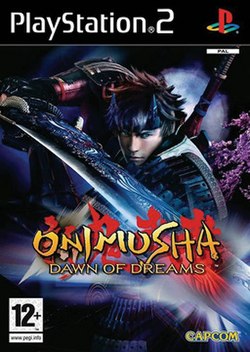
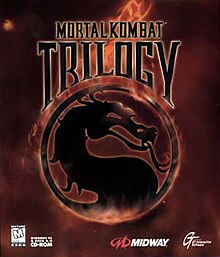
 Mortal Kombat Trilogy on PlayStation
 Disney Infinity 3.0 on PS3
 Disney Infinity on PS3
 Toy Story 3 on PS3
 Disney Infinity: Marvel Super Heroes on PS4












 Another SquareThought Site