


 Dec 2004
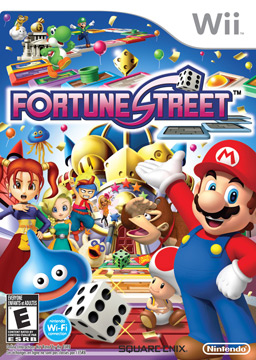

If you've ever wondered what would happen if Monopoly took a crash course in JRPG cosplay, then 'Dragon Quest & Final Fantasy in Itadaki Street Special' for the PS2 is the answer - and it's wearing armor and carrying a cocktail fork. Born from the long-running Itadaki Street series (the brainchild of Dragon Quest creator Yuji Horii), this instalment slaps beloved characters from Dragon Quest and Final Fantasy onto a property-trading board game and politely asks them to bankrupt each other with style. Released in late 2004 and published by Square Enix, the PS2 special brought a multiplayer option for up to four players and managed to charm Japanese wallets: by August 31, 2005 it had moved roughly 380,000 units. It's less sword-and-spell action and more spreadsheets-and-stock-market intrigue, but with slimes and moogles arguing over rent, which is somehow more fun than it has any right to be.
At its mechanical core, Itadaki Street is Monopoly's geeky cousin who majored in finance and minigames. Players roll a single die (yes, one die; none of this multi-dice chaos), circle the board, buy properties, and collect money when opponents land on their spaces. If that sounds familiar, congratulations - you've passed the Monopoly tutorial. The twist comes from the stock system and the 'level-up' suit mechanics that turn simple property management into an oddly addictive economic puzzle. Each block of properties has stock that you can buy and sell. Developing buildings on your owned properties increases the per-share value of that block - so upgrading a shop is like giving your shares a protein shake. You don't need to own every lot in a block to develop; owning multiple properties just lets you build bigger and scarier-looking establishments that extort more gold from unsuspecting visitors. Players juggle cash, property value, and stock value because the win condition isn't just 'be last man standing' - you must return to the bank with a target total that includes your overall assets. That makes late-game strategy a delightful tangle of deciding whether to liquidate shares, gamble on a hotel upgrade, or hold onto a suspiciously adorable slime who has promising long-term growth potential. Collecting suits is another cheeky layer. Land on certain spaces, pick up a card suit, and when you assemble the full set of four suits, your character 'levels up' and earns bonus gold as they pass the bank. It's a neat nod to RPG progression, translating spells and XP bars into plastic suits and pennies. Minigames pepper the experience, giving you chances to earn extra cash or simply shame a friend who thought they were good at chess because they once beat a tutorial. The combination of minigames, property play, and a rudimentary stock market rewards both long-term planning and opportunistic chaos. Multiplayer supports one to four players, which turns living rooms into battlefields of polite smiles and passive-aggressive trades. The PS2 version's inclusion of Dragon Quest and Final Fantasy characters is more than fan service; it supplies a visual and emotional hook - you can watch a chubby slime look smug as it collects rent from a tuxedoed knight. However, veteran critics of the portable entries argued that franchise characters sometimes felt tacked on and didn't radically alter the deep mechanics underneath. That complaint persists a bit here: while seeing your favorite heroes in chibi form is delightful, the real meat of the game remains the economic tug-of-war. If you're the sort of person who likes playing the long game - juggling investments, timing your property development, and quietly watching the market crash from the safety of being slightly better at math than your friends - this is your jam. If you want twitchy reflex action or quick arcade thrills, you might find the pacing slow. Rounds can be lengthy, but they reward attention and creativity: bluffing, coordinated stock moves, and well-timed upgrades can flip the board quicker than a critical hit. The learning curve is gentler than it looks. Itadaki Street's rules can appear dense at first glance, but once you understand that suits = levels and stocks = delicious money-making machines, the flow becomes intuitive. The game does a decent job of introducing mechanics, though some of the finer economic strategies are left for the player to discover - which is part of the charm and also part of the reason you'll spend the next three family gatherings explaining why buying three shares of the red block was a brilliant move.
Graphically the PS2 special is pleasant rather than pioneering. Characters from Dragon Quest and Final Fantasy are rendered in a cute, chibi style that keeps things light and approachable even when the gameplay turns cutthroat. Board designs have variety and personality: each map feels themed and full of small touches that hint at their RPG roots, like taverns that look suspiciously like save points. The presentation's strengths lie in its clarity - everything important is readable and animated enough to feel alive without getting in the way of the strategy. Don't expect console-shredding visuals or cinematic cutscenes; this isn't a showcase for the PS2's best, it's a functional, charming board game experience dressed in familiar faces. The result is a title that looks good on a shelf of JRPGs and feels friendly to newcomers while still making veterans grin when a certain iconic chocobo waddles by to collect rent.
Dragon Quest & Final Fantasy in Itadaki Street Special is an odd little gem: part board game, part light financial simulator, and completely obsessed with making your favorite RPG mascots play landlord. If you're craving party-game chaos with actual strategic depth - and you don't mind sessions that can outlast a summoned Bahamut - this PS2 entry is a strong pick. Its hybrid mechanics of property development, stock manipulation, and suit-based leveling keep each match unpredictable and rewarding. It isn't flawless. The pace is leisurely, the franchises sometimes feel like fancy costumes on familiar systems, and players looking for rapid-fire action might check out something with more explosions and less spreadsheets. Nevertheless, for social nights where you want more brain and less button-mashing, or for fans who want to see their favorite heroes haggle over a tile, Itadaki Street Special is a delightful time-sink. It proved popular in Japan for a reason: beneath the adorable exteriors is a surprisingly satisfying economic duel, and watching a Moogle foreclose on a slime never gets old. Recommended for strategy-minded friends, RPG fans with a taste for sarcasm, and anyone who's always wanted to invest in tiny virtual property and live to tell the tale.
 Dragon Quest X Offline on Switch
 Dragon Quest: Shounen Yangus to Fushigi no Dungeon on PS2
 Coloball 2002 on PS2
 Press Your Luck on PS3
 Trivial Pursuit on PS3
 Game Dev Story on PS4










 Another SquareThought Site