



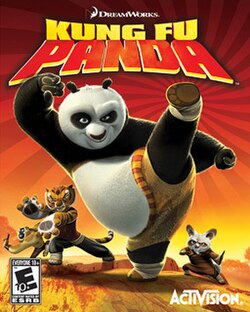
If you've ever wanted to punch, kick, and noodle-roll your way through Ancient China while wearing the metabolism of a small black hole, DreamWorks' Kung Fu Panda on PS2 is your kind of guilty pleasure. Loosely based on the 2008 animated blockbuster, the game takes the familiar story beats - Po, the Valley of Peace, the Furious Five, Master Shifu, and the dangerously fabulous villain Tai Lung - and stitches them into something that plays like a kid-friendly action romp with occasional moments of genuine charm. It's the sort of licensed game that doesn't aspire to be a cinematic masterpiece; it aspires to be fun for a few afternoons, and for the most part it hits that target. Expect a lot of button-mashing, a handful of platforming bits, some fetch-quests disguised as "missions," and more references to noodles than any self-respecting restaurant would allow.
The game wears its movie DNA proudly: you're essentially reenacting Po's rise from noodle-shop dreamer to Dragon Warrior, but with more combos and fewer heartfelt montages. The structure follows the film's major set pieces, shifting from training sequences at the Jade Palace to showdowns that feel suspiciously like revenge-driven boss levels. Playable characters are drawn from the franchise's household roster - Po and the Furious Five are present in spirit if not always in exact movie form - and the game leans into each character's archetypal moves: Po is the heavy-hitting, food-motivated bruiser; Tigress is a fast, focused striker; Monkey is slippery and acrobatic. That variety keeps the basics from getting dull, at least in short bursts. Combat is straightforward and accessible, designed for younger players and anyone who loves the catharsis of a well-timed flurry of punches. Combos feel satisfying when they land, and there are light special moves to trigger when a meter fills up, which helps the fights feel a bit flashier without turning the controller into a Rubik's Cube. Exploration and level design are where the game shows both its strengths and its compromises. Many stages are clearly inspired by the film's locales - the Valley of Peace, training halls, and the ominous mountain areas tied to the big bad's return - and designers pepper them with platforming challenges, environmental hazards, and small puzzles. These elements break up the combat so you don't feel like you're in a one-note button-mash symphony, but the platforming rarely aims any higher than competent: jump, double-jump, maybe use a character-specific skill, rinse and repeat. Collectibles and unlockables exist to reward replay, and you'll often find yourself returning to early levels to nab items you missed the first time. There are also mini-games and boss encounters that echo the movie's narrative - yes, Tai Lung makes a dramatic appearance - which lends the whole package a sense of continuity with the film. Where the experience trips is in its pacing and polish. The game is, by modern standards and even by late-2000s licensed-game standards, somewhat repetitive. Missions tend to fall into predictable categories: fight waves, platform to a checkpoint, solve a simple environmental puzzle, repeat. For younger players or fans of the movie, this repetition isn't a dealbreaker; it's almost comforting. For older players or completionists, it can feel like wearing a cosplay of the movie's plot: adorable, accurate from a distance, but a little warm and fuzzy when you've been at it for an hour. Load times and camera behavior occasionally make things clunkier than they should be - the camera has a stubborn habit of hiding victory poses behind awkward angles - but nothing outright breaks the fun. Narrative-wise the game does a decent job of retreading the film's beats while adding just enough game-friendly detours to keep things moving. You'll train with Shifu, bumble through sequences that rely on Po's comedic timing, and ultimately confront the menacing Tai Lung in boss fights that capture the spirit (if not the full emotional weight) of the movie's climactic encounters. The game's story is basically the movie with training wheels: familiar, often charming, and engineered to give you a reason to punch a lot of bad guys.
On the PS2, Kung Fu Panda looks like what you'd expect from a licensed title of its era: colorful, cartoon-friendly, and clearly aiming to mirror the film's visual style without trying to out-render the movie. Character models are recognizable, animations lean toward the exaggerated and expressive, and environments are bright and detailed enough to feel like a living world for a panda to tromp around in. It won't win awards for technical prowess, and up-close textures can be a bit fuzzy, but the overall aesthetic is pleasing - like opening a storybook and finding slightly smudged but still delightful illustrations. Cutscenes recapture key movie moments, although voice work and lip-sync may not always match the cinematic originals (the game is 'loosely based' on the film, after all). In short: it looks good enough to make you smile, not good enough to make you sell your console and auction off your PS2 for spare parts.
DreamWorks Kung Fu Panda on PS2 is not a revolutionary action-adventure; it's a comfy, noodle-stained slice of licensed-game goodness that does what it promises: lets you bop through a panda-shaped fantasy world with the Furious Five on speed-dial. If you loved the film and want to spend a weekend reliving Po's improbable path to heroism while executing mildly satisfying combos, you'll have a blast. If you were hoping for deep systems, cutting-edge visuals, or a game that reinvents kung fu, temper your expectations accordingly. The title excels at being charming and approachable, stumbles into repetition sometimes, and ultimately lands on the warmer side of mediocrity. It's a fitting companion to the franchise - playful, a little silly, and wholesome enough that even Master Shifu would nod in approval - and at its best it's the interactive equivalent of a good bowl of noodles: simple, comforting, and hard to resist.
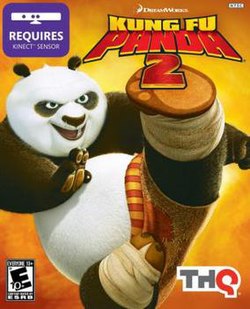
 DreamWorks Kung Fu Panda 2 on DS
 DreamWorks Kung Fu Panda on DS
 Tintin: Destination Adventure on PlayStation
 Disney's Chicken Little: Ace in Action on PS2
 One Piece Grand Adventure on PS2
 Taiko no Tatsujin: Dokodon! Mystery Adventure on Switch












 Another SquareThought Site