

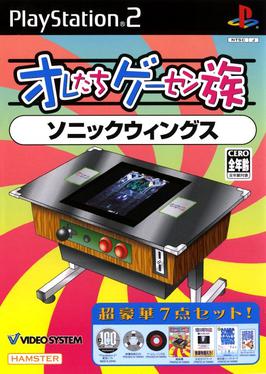

There's something deliciously masochistic about blowing up pixelated alien heads with more enthusiasm than a caffeine-fueled Roomba. Oretachi Gēsen Zoku: Contra is Hamster Corporation's PS2 love letter to the arcade golden age, repackaging Konami's 1987 delight for a Japan-only collector's run. Packaged as Volume 16 in the Oretachi Geesen Zoku series, this release isn't just a disc - it's a nostalgia buffet served with a miniDVD, a mini CD soundtrack, a strategy pamphlet, replica trimmings and the smug knowledge that you now own a physical object that says, "Yes, I like suffering in 2-player co-op." If you've ever watched someone find their inner demon while repeatedly attempting the same laser-spewing boss, you know the Contra experience: twitch reflexes, memorizing enemy patterns, and the soothingly unfair law that says a single hit equals heartbreak. Hamster's package treats the arcade original with enough reverence to satisfy purists while adding collector-focused goodies that give your shelf a reason to exist. The game itself is the same blistering run-and-gun classic: tight, relentless, and exactly as merciless as you remember - which is to say, gloriously so. This review takes a friendly, slightly sarcastic stroll down the path of nostalgia. We'll hit gameplay, visuals, and whether the whole boxed experience is worth the roughly ¥2,000 sticker price Hamster slapped on these releases (plus the emotional cost of repeatedly pressing Start).
Contra's gameplay is the reason Joysticks of Yore still haunt modern controllers. It's pure arcade DNA: left, right, jump, shoot, and beg for mercy. The run-and-gun formula is painfully simple on paper and ruthlessly complex in practice. You're a macho sprite with more bullets than dialogue, and the world is a parade of aliens, turrets, minibosses, and that one stage where a fortress tries to hug you until you die. The real magic - and the reason people still shout "Konami code" at arcade cabinets - is how every element combines into an exercise in muscle memory and tiny victories. Clear a stage without dying and you get the kind of smug satisfaction usually reserved for finishing a six-pack or figuring out a relationship emoji. Controls in this emulation are satisfying: tight, responsive, and faithful to the cabinet. Contra in its original arcade form demanded precision, and the PS2 version keeps that requirement intact. Movement and shooting feel immediate, which is crucial because the game's difficulty curve is less a curve and more a cliff with helpful signs saying "Fall Here." There's two-player co-op, and that's where the friendly chaos begins. Teamwork turns frantic bullet-dodging into a dance of muffled curses and high-fives. One friend hogs power-ups; another runs out of lives on a platform that looks safe in retrospect. This interplay remains a major part of the fun and the misery. Speaking of power-ups: the weapon system is gloriously uncomplicated. You hunt for icons that change your fire pattern - spread shot, rapid gun, laser - and each pickup is a small shrine of hope. Lose a life and most of your kit evaporates, which keeps the tension high and the trash talk higher. Boss encounters are memorization tests; once you learn the pattern, victories feel earned. There's no hand-holding. The game expects you to learn by repeated trial and spectacular failure, which will either make you feel like a gaming god or a very dramatic potato. Hamster's inclusion of a "Masterplay" video on the miniDVD is a brilliant bit of icing. If you don't want to go full stubborn and learn every enemy pattern the hard way, you can watch an expert cruise through stages like a time-traveling exterminator. It's educational, oddly soothing, and also a humble reminder that someone out there has better reflexes - and probably fewer late-night regrets - than you. Where the emulation excels is that it keeps Contra's arcade-intended flow intact: short, intense levels that escalate quickly and demand repeated runs. Each attempt sharpens your reflexes and your understanding of the rhythm. If you love games that reward memorization and precision rather than optional exploration, this Contra is your idea of a good night. If you prefer big open worlds and three-hour cutscenes, this will feel like getting dressed for a party and discovering it's actually a surprise Spartan race. There are no modern conveniences like save states built into the game itself (this is a straight emulation of the arcade ROM), which will delight purists and terrify people who enjoy the illusion of progress. The PS2 packaging makes up for this by offering the miniDVD walkthrough and a strategy booklet - tangible lifelines for those who want to learn the secret handshake of Contra's toughest fights without throwing their controller out the window.
Graphically, Contra wears its 1987 heritage with pride. Pixel art here isn't a retro affectation - it's a deliberate aesthetic choice that still reads well on a TV. The PS2 hardware doesn't mess with the original look: sprites, simple parallax scrolling, and chunky explosions all behave as they should. The emulation keeps the original color palette and sprite fidelity, so you get the arcade visuals without modern smoothing that often turns gritty pixels into mushy ghosts. That means the visual delights are all about clear silhouettes, readable enemy designs, and satisfyingly overblown boss sprites. The backgrounds aren't trying to win any awards for complexity, but they do their job: they provide context without distracting from the mayhem. There's a pleasing clarity to the chaos; when a barrage of bullets fills the screen, you can almost predict which pixel is about to betray you. If you're expecting high-definition remasters or fancy post-processing filters, you'll be disappointed. This release is faithful, not flashy. That is both a strength and a limitation. For collectors and purists who crave a museum-quality reproduction of the arcade experience, it's perfect. For players used to dynamic lighting, motion blur, and cinematic camera work, Contra will feel like a history lesson with explosions. To sweeten the sensory package, Hamster also includes a mini CD with the original soundtrack and arranged remixes by Super Sweep. The music holds up: punchy, melodic chiptunes that help sell the pace and urgency of each level. Put on the soundtrack while replaying a tough stage and you'll either feel triumphant or like music that mocks your failure - both valid experiences.
Oretachi Gēsen Zoku: Contra is less an attempt to modernize a classic and more an earnest archival project with a collector's twist. Hamster Corporation packaged Konami's 1987 arcade run-and-gun into a physical experience that nods to the arcade cabinet era with real tactile rewards: a miniDVD, a soundtrack CD, a strategy guide, and some plastic ephemera that looks cooler on a shelf than most modern collector knickknacks. The game itself is ruthless, precise, and addictive in the way only a well-designed arcade shooter can be. It doesn't try to apologize for being hard, and it doesn't pretend to be anything other than an arcade ROM lovingly emulated for PlayStation 2. Purists will appreciate the fidelity; newcomers should be prepared for a challenge and consider recruiting a buddy for co-op carnage. The lack of modern conveniences like built-in save states will annoy some, but the included masterplay video and guidebook help smooth the learning curve. For roughly ¥2,000 at release, you didn't just buy a port - you bought a curated pack of retro joy and the kind of extras that make the heart of a collector beat a little faster. If you like your games seasoned with difficulty and nostalgia, Oretachi Gēsen Zoku: Contra is a must-have. If you prefer your gaming experiences to come with training wheels and a comfort blanket, this one will remind you how much fun it is to be challenged - and how satisfying it is to finally clear that boss after eight glorious failures. Final verdict: an authentic, no-nonsense dose of arcade adrenaline wrapped in a charming collector's package. Dust off your reflexes, recruit a friend, and remember: when all else fails, there's always the Masterplay video - but where's the honor in that?
 Press Your Luck on PS3
 Oretachi Game Center Zoku: Trio the Punch on PS2
 Game Dev Story on PS4
 PlayStation Home on PS3
 Gaelic Football '25 on Xbox Series X/S
 Together! The Battle Cats on Switch
 Crash Bandicoot: The Wrath of Cortex on PS2












 Another SquareThought Site