



Princess Maker 4 hands you a tiny human (default name Patricia), a strangely loyal butler named Cube, and a life plan that will laugh in the face of 'winging it.' Released for the PlayStation 2 in 2005 and developed by GeneX under series supervision from Takami Akai, PM4 keeps the franchise's core: you are the parental authority, the career counselor, the drill sergeant, and the emotional support plant. This entry drifts away from the exploration-driven bits of older titles and leans hard into melodrama - family secrets, human-vs-nonhuman war, and a demon-origin twist - which is presented via a steady stream of voiced event scenes. If you like your sims with long-term consequences and a side of political intrigue, PM4 is the sim that will make you feel guilty for canceling ballet class.
Princess Maker 4 is less 'pick-a-weekend-activity' and more 'schedule-every-hour-for-six-years-on-a-grid-and-hope-your spreadsheet-speaking brain paid attention.' Its structure borrows heavily from Princess Maker 2: you still assign training, jobs, and leisure, but the removal of the adventure mode means your primary battleground is the calendar and the stat screen. The challenge is the design: everything is interlocked so your choices echo years later in endings and event triggers. That makes the game a slow-burn puzzle about cause and effect rather than fast twitch reflexes. The first skill the game demands is long-term planning. You are not optimizing a single exam or tournament; you are balancing Patricia's education, work experience, personality, and stress over multiple formative years. If you want a noble princess ending, you must stack appropriate social and academic stats, which means scheduling the right mix of school, etiquette, and perhaps church. If you want a combat-oriented path, martial training and part-time military gigs must be slotted in early and consistently. The game's branching endings hinge on these cumulative stat thresholds - so micro-decisions (send her to a festival? accept that job?) accumulate into macro outcomes. Resource management is another constant. Time is your limited currency, and each week you decide between work for cash, stat-boosting lessons, or rest to avoid breakdowns. Some part-time jobs pump cash while lowering morale or skewing personality, and others improve specific skills at the expense of time. The PS2 version's event-heavy nature also throws curveballs: dramatic scenes reveal secrets or present choices that can buff or debuff future opportunities. Recognizing which event clues matter for the endings requires pattern recognition and note-taking - treat the game's voiced scenes like crossword hints rather than mere drama. Decision-making under uncertainty is a recurring test. The game rarely telegraphs exact thresholds for endings, and some jobs or events will only appear after you hit hidden flags. That leads to emergent gameplay where you iterate: replay, test different combos, and learn which sequences unlock new scenes. Patience and willingness to experiment are essential. If you enjoy exploit-hunting and discovering hidden triggers, PM4 rewards you for keeping careful mental (or physical) notes. Social intuition and reading NPC cues matter too. The daughter's interactions with rivals, friends, and suitors are subtle; their appearances, gifts, and comments can hint at relationships that change stress levels, unlock support, or nudge stat growth. Building social bonds can be a deliberate tactic to offset negative effects from grueling work schedules. In short, interpersonal strategy is as important as stat grinding. Finally, adaptivity is tested by the game's drama orientation. PM4 injects narrative events that can derail well-laid plans, so the game rewards players who can reroute strategies mid-playthrough. You will get punished for tunnel vision: one ignored stress meter or missed class can cascade into a ruined career path. The PS2 port's full voice acting gives these moments emotional weight, making your management choices feel less like numbers and more like raising a person - which is the point, whether you cried at a voiced scene or not. All told, PM4 is a thinking player's raising sim. Reflexes are irrelevant; what matters is calendar discipline, risk management, and pattern recognition. If you enjoy optimizing, plotting multiple playthroughs, and the occasional dramatic twist that makes you mutter 'clever,' PM4's challenge is right up your alley. If you prefer instant feedback and clear tutorials, expect to learn through trial, error, and the occasional heartbroken ending.
The presentation leans into anime charm rather than pushing PS2 tech. Character illustrations were handled by Tenhiro Naoto, which gives the game a clean, expressive look that syncs well with the drama-heavy storytelling. Expect plenty of event CGs and fully voiced scenes - a plus for immersion, and it helps the game's challenge feel personal rather than abstract. The UI is functional if a bit dated: menus are dense, and the stat sheets require patience to parse. Visual clarity is good for what the game is trying to do, but if you're hoping for flashy 3D or motion-heavy cutscenes, PM4 is more 'visual novel aesthetics' than 'console spectacle.' On the PS2, the art and voice work carry the emotional beats; the rest is utilitarian but serviceable.
Princess Maker 4 on PS2 is a strategic parenting sim disguised as a melodramatic anime with a butler. Its strength is the layered challenge: long-term planning, resource allocation, social juggling, and adaptive decision-making. The removal of adventure segments and the pivot toward drama means the gameplay is less about exploration and more about mastering a living puzzle where event flags and stat thresholds determine your daughter's fate. That style will delight sim veterans who love optimization and replay hunts, and frustrate players expecting hand-holding or instant clarity. If you enjoy games that make you think like a calendar-obsessed stage mom and then reward you with satisfying, earned endings, PM4 is worth a go. If you need clearer tutorials and instant feedback, bring a notebook and a patient heart.
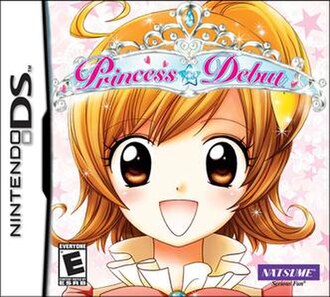
 Princess Debut on DS
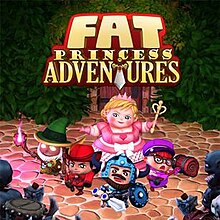
 Fat Princess Adventures on PS4
 Princess Natasha on DS
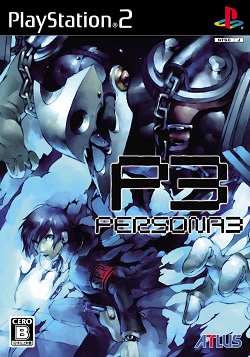
 Persona 3 FES on PS2
 Pro Evolution Soccer 2015 on PS4
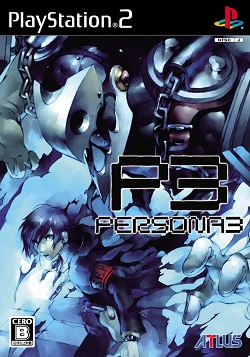
 Persona 3 on PS2
 Power Pro Kun Pocket 13 on DS












 Another SquareThought Site