

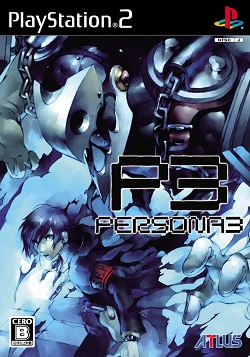

Persona 3 is the game that sneaks into your timetable like a pop quiz about mortality - except this one comes with stylish blue menus, catchy J‑rock, and a tower full of monsters called Shadows. Developed by Atlus for the PlayStation 2, Persona 3 mixes turn‑based RPG combat with a calendar-based social sim: you're a high school transfer kid by day and a Persona-summoning, Evoker‑wielding monster-hunter by night. Think of it as if your high school extracurriculars were an occult suicide pact - except the pact is consensual and mercifully fictional. The game made a big splash when it launched (Metacritic liked it), later spawning an expanded 'FES' edition and a portable rework. Even now, years later, Persona 3 still feels like a weird, wonderful cocktail of teenage melodrama and mythological weirdness.
At its core, Persona 3 asks you to be two people at once: a student juggling classes, part‑time jobs, and awkward conversations in the dorm hallway, and a party leader who drags friends into Tartarus - a shifting tower that replaces your school during the ominous "Dark Hour." Days are divided into time slots, and most activities consume time. Want to study and raise Academics? Time passes. Want to go to the arcade and flirt with disaster? Time passes. Want to visit Tartarus and slice your way through floors of Shadows? Time passes, and snacks are optional but recommended. The social simulation layer is the secret sauce. Social Links are relationships with classmates and townsfolk that represent Tarot Arcana; spending time with them levels those links and buffs Persona fusion. The Velvet Room does the Persona‑crafting heavy lifting: fuse creatures to make new Personas, inherit skills, and expand your compendium. The more you nurture a Social Link, the better the Personas of that Arcana become in fusion. It's a brilliant piece of design because it turns making friends into actual mechanical power rather than fluff - a wholesome form of grinding where being a decent human being gives you finished‑combat bonuses. Combat takes place mainly in Tartarus and uses a refined 'Press Turn' system. Each character can punch, use weapon attacks, skills from their Personas, or items. Hit an enemy's weakness and you earn extra turns; exploit them all and enjoy an All‑Out Attack. The twist is the protagonist: he can wield multiple Personas, switching them in and out of battle like a DJ swapping tracks mid‑set. Collect and fuse, and you'll have a toolbox for every elemental weakness. The game's tone is darker than bright, pastel anime: you summon Personas by firing Evokers - gun‑like devices - at your own head. It's intentionally provocative and thematically on the nose: confronting death and the self. Atlus didn't trim the edge for the Western release, and the scenes are as jolting as they are memorable. Party AI controls your teammates by default, which is a stylistic choice: it shows them as semi-autonomous people rather than puppets of the protagonist. Some players loved the emergent personalities and surprising tactics the AI produced; others wished they could micromanage every turn. Persona 3 Portable later addressed that by letting you directly command allies, but on the original PS2 you'll need to learn to live with the occasional AI mishap (and maybe grind a bit more to compensate). Tartarus can feel repetitive because the game funnels a lot of its combat into one big tower, but the structure supports a compelling rhythm: build social links in the daytime, climb and fight at night, and confront full‑moon boss fights at key story beats. The FES expansion adds an epilogue called 'The Answer' that supplies narrative closure but removes the daily life sim - so if you liked friendship and homework mini‑games, consider the epilogue a bonus chapter that leans into pure dungeon crawling and story over routine. Persona 3 is long; expect 50-80 hours depending on how side‑obsessed you are. It rewards patience: Personas grow with you, Social Links have satisfying resolutions, and the fusion system is consistently engaging.
On PS2 hardware Persona 3 looks like a lovingly stylized mid‑2000s JRPG. Shigenori Soejima's character designs give the cast clear silhouettes and personalities - from Mitsuru's sleek cultured vibes to Junpei's baseball‑cap charm - and the UI is an exercise in blue‑themed cool designed to stand out in marketing and memory alike. Tartarus floors are functional rather than breathtaking: geometries repeat, but monsters and boss designs are memorable and suitably grotesque. The game uses anime cutscenes (animated by Point Pictures) to sell the big emotional moments, and while in‑engine character models are sometimes stiff, those scenes land hard thanks to direction and music. Shoji Meguro's soundtrack deserves its own paragraph: 'Mass Destruction' and 'Burn My Dread' are earworms that turn battles into adrenaline tracks. In short, Persona 3's presentation is cohesive and stylish even if the PS2's age shows in reused tiles and limited camera flourish.
Playing Persona 3 is like attending the school of dark urban fantasy, with a major in 'How to Face Death Without Becoming a Jaded Cartoon.' It's brave, weird, and frequently brilliant: the marriage of social sim mechanics and dungeon‑clearing combat still feels fresher than it has any right to, and the social link system rewards emotional investment in ways that most RPGs only pretend to. The repeated tower floors and the sometimes irritating AI are real gripes, but they're overshadowed by a gripping story, unforgettable moments, and a soundtrack that will haunt your playlist for years. If you want a game that makes you schedule your life around saving the world, teaches you to care about strangers enough to fuse better demons, and balances teenage melodrama with cosmic stakes, Persona 3 on the PS2 is a fantastic place to start. It isn't perfect, but it's honest about its weirdness - and sometimes honesty with an Evoker is all you need. Recommended, and bring a calendar.
 Persona 4: Arena on PS3
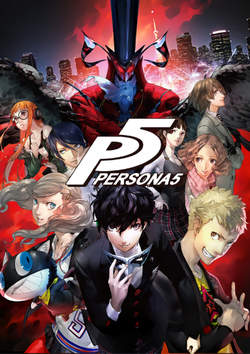
 Persona 5 on PS3
 Combat Elite: WWII Paratroopers on PS2
 Gnosia on Xbox Series X/S
 Predecessor on PS4
 Persona 3 FES on PS2
 Persona 4 Golden on Xbox Series X/S
 Radiant Historia on DS
 Catherine: Full Body on PS4
 Persona 5 Tactica on Xbox Series X/S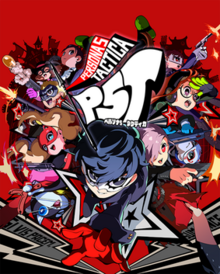












 Another SquareThought Site