

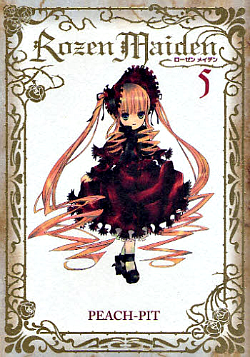

If you've ever wanted to spend an afternoon shepherding a squad of sentient porcelain dolls through melodrama, strawberries, and intermittent rose-petal combat, Rozen Maiden ~gebetgarten~ is the PS2 party you didn't know you needed. Developed and released by Taito as the second PlayStation 2 tie-in for the franchise (the first being Duellwalzer), Gebetgarten arrives wrapped in the series' trademark Gothic-fantasy charm. It leans on the manga and anime's strengths - cute-but-creepy character designs, an Alice Game with existential implications, and a protagonist named Jun who went full hikikomori but somehow gets invited to tea anyway. Preorders came with a Beilege Disk soundtrack, which should tell you two things: 1) the music matters, and 2) someone thought you'd want to listen to emotive doll-themed tunes while contemplating your life choices.
Gebetgarten mostly feels like a love letter to Rozen Maiden fans, with gameplay built around conversations, relationship beats, and the occasional doll-on-doll melodrama. The Rozen universe is all about the Alice Game - seven Rozen Maidens vying for seven Rosa Mysticas so one of them can become the perfect doll, Alice - and the game makes that premise the backbone of its flow. You spend a lot of time with the cast: Shinku, the prim southern-belle with an attitude and a suitcase full of rose petals; Suigintou, dramatic, winged, and emotionally committed to winning Rozen's affection; the tsundere twins Suiseiseki and Souseiseki; Hinaichigo, who is literally sugared innocence; and the oddball Kirakisho, who prefers illusions and existential loneliness. Choices in the game are presented like branching-visual-novel beats. Dialogue matters, and who you spend time with affects which scenes unlock and which dolls you end up trusting with your metaphorical (and probably literal) Rosa Mystica. The pacing alternates between cozy, slice-of-life moments - Jun being awkward about school, Shinku fussing over tea protocol, Hinaichigo spouting adorable French - and sharper, more dramatic scenes where dolls fight over ideology, purpose, and, yes, mystical gems. The balance between everyday humor and sudden Gothic tension is the game's selling point: it can make you giggle at kanji-based puns one minute and feel slightly guilty for cheering when a porcelain weapon smashes through another character's emotional armor the next. Combat, when it appears, is less about frantic thumb-spamming and more about spectacle and consequence. Expect encounters to double as story beats: a duel is both a mechanical test and a narrative turning point. The game trusts the franchise's strengths - character design and voice - to carry the emotional load, so mechanics are intentionally unobtrusive. Some players will like that; others who bought the box expecting a deep strategic system might feel a little shortchanged. Gebetgarten does something smart with its structure: it rewards curiosity. Stay with characters, explore off-beat scenes, and the game reveals the franchise's quieter lore (Laplace's Demon, the N-field, the artificial spirits like Meimei and Hollie). Fans of Jun's arc - a withdrawn kid learning to rejoin society thanks to doll therapy - will appreciate the careful characterization. Those who like their plots tidy and rushed-free should be warned: the wider Rozen franchise has a history of uneven pacing and abrupt conclusions, and the game occasionally inherits that stop-and-start rhythm. But when the voice cast and art click, the experience is oddly comforting: like putting on a velvet jacket and being told a spooky bedtime story by someone wearing lace gloves.
Gebetgarten wears its pedigree on its sleeve. The Rozen Maidens are the undeniable stars - their bisque-like faces, ornate costumes, and expressive eyes are faithfully recreated in-game. The PS2 isn't modern hardware, but Taito uses it well: character portraits are lush with detail, animations during key scenes are fluid, and battle sequences lean into dramatic particle effects (rose petals, strawberry vines, shadow wings) to punch above the console's weight class. Backgrounds swing between cozy domestic interiors and stark, surreal N-field vistas that hint at a deeper metaphysical playground. If you're fond of doll design and Gothic lolita aesthetics, the visual department is a steady delight. The art direction captures what reviewers of the manga and anime praised: a gorgeous attention to clothing, a flair for atmosphere, and the ability to make theological metaphors look cute. On the downside, camera work and movement are predictably PS2-era: some transitions are clunky, and polygonal models occasionally lose details visible in the portraits. None of it ruins the experience, but it keeps Gebetgarten grounded in mid-2000s charm rather than modern polish.
Rozen Maiden ~gebetgarten~ is not a revolution; it's a plush, slightly askew shrine to a franchise that delights in being equal parts adorable and existential. Taito knows its audience and gives them what they came for: deep character interactions, gothic charm, and the Alice Game's melancholic stakes. The game's strengths are its faithful character work and atmosphere - the dolls look and feel right, the soundtrack (especially if you nabbed the Beilege Disk preorder) does emotional heavy lifting, and Jun's awkward-but-sincere growth remains engaging. If you're new to Rozen Maiden, Gebetgarten won't singlehandedly win you over unless you enjoy strong character-driven narratives and a taste for melodrama wrapped in lace. If you're already a fan, it's a cozy, occasionally moving detour through familiar themes and fresh vignettes. Fans of tight, mechanical gameplay might be left wanting, but those who come for story and charm will probably find the price of admission more than fair. Scorecard? It earns a solid 7/10: charming, occasionally uneven, and absolutely committed to making you care about porcelain dolls' feelings. If that sounds weirdly wonderful to you, then yes - pick up Gebetgarten, make tea with Shinku, and prepare to have your heart stolen by something that should not have a pulse, but definitely does.
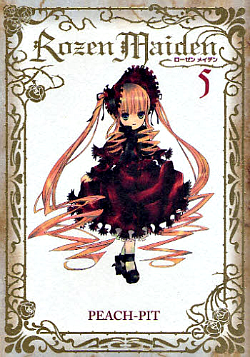 Rozen Maiden: Wechseln Sie Welt ab on PS3
 Fatal Frame: Maiden of Black Water on Xbox Series X/S
 Tintin: Destination Adventure on PlayStation
 One Piece Grand Adventure on PS2
 Taiko no Tatsujin: Don to Katsu no Jikū Daibōken on Switch
 Punch Line on PS4
 Densha de Go! Professional 2 on PS2
 Densha de Go! Final on PS2
 Street Fighter V: Arcade Edition on PS4
 Densha de Go! on PlayStation
 G-Darius on PlayStation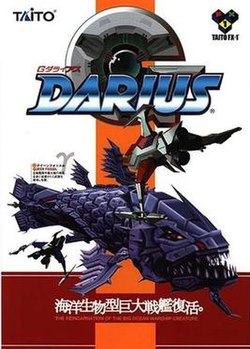












 Another SquareThought Site