

 Aug 2025
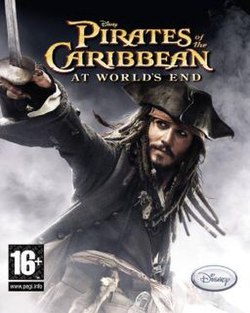

The tie-in movie game: the video-game equivalent of a sandwich made from yesterday's script notes and today's licensing budget. Pirates of the Caribbean: At World's End for the PS3 is an earnest attempt to turn the third movie's chaos into button-mashing escapism. You play, mostly, as Captain Jack Sparrow and Will Turner, occasionally as Barbossa, and sometimes as whichever character the designers felt like shipping that day. If you enjoyed the films for their melodrama and nautical mutiny, this game will give you familiar beats - prison escapes, island tribes, voodoo, the Flying Dutchman, and a finale with enough heart-stabbing to offend modern cardiologists. Critics were polite about some versions and downright suspicious of others; the PS3 edition sits comfortably in the mixed reviews zone. This review will be dry, like the look on a naval officer's face when you point a cannon at his tea set.
Gameplay follows the movie plot with surprising fidelity for a licensed product that could have been a slideshow of studio logos. The campaign is a checklist of cinematic set-pieces: escape the Fortress Prison with dadly help from Edward Teague, convince cannibal islanders you are a god (and then promptly not be one), rescue Tia Dalma and learn the delightful fact that stabbing a supernatural heart is a valid career move, negotiate pirate-politics across Shipwreck City, and perform your civic duty by repeatedly duffing up pirate lords. Mechanics are a hack-and-slash soup with occasional seasoning. Combat leans on light and heavy attacks, dodges, and a special meter that allows for slightly more interesting moves once filled. In practice this translates to a rhythm of swing, parry, repeat - good for when you want to feel like a pirate without learning swordsmanship. Enemy variety exists in a spreadsheet-friendly way: guards, pirate lords, supernatural foes, and sometimes very determined furniture. Each protagonist has slightly different toys: Jack gets nimble, cinematic flair; Will has heavier moves and narrative duty; Barbossa offers a pleasingly blunt force option. Near the end the game obligingly has you fight across the Flying Dutchman playing as both Will and Jack, which is one of those moments where the game remembers it's supposed to be epic and then follows through in a predictably heroic way. The level design is mostly corridor-plus-setpiece. You visit Isla de Pelegostos and flee for your life, stumble through Port Royal, skulk around Tortuga, and blow things up in Singapore. There are times when it feels like the developers read the film synopsis and then asked, "What if we let the player do the same thing, but with more crates to smash?" Some missions ask you to recruit the Pirate Lords, which typically means brawling through their guards or performing 'favors' that are politely labeled side-quests. The larger scale naval battles and the endgame sequence where you defend the Black Pearl against the Endeavour add necessary variety: they break up the hack-and-slash with some shipboard catastrophe, which is a solid change of pace even if it doesn't entirely escape the 'press A to fire' joy. Controls on PS3 are functional but unremarkable. Reviews of the era suggested some versions suffered from iffy input - a fate not entirely averted here. Combos can feel a touch sluggish, lock-on works but not always intuitively, and camera angles will occasionally provide cinematic framing by looking directly at a wall. There's multiplayer listed, which gives the game some secondhand life if you enjoy teaming up and trading insults over who loots the chest. It's not deep cooperative design; it's more that the game says "You can play with other people" and everyone nods and fires cannons. Pacing is uneven. The story is an odd mixture of faithful movie beats and filler. It covers all the big moments, including searching for the pirate lords, the revelation about Davy Jones' heart, and the climactic stabbings and mutinies. The game throws in additional missions and playable characters, sometimes with the charm of 'more pirate' and sometimes with the charm of 'we need three more levels to justify a full-price box.' The DS and mobile versions, handled by other studios, got different scores because handhelds and phones have different expectations and fewer pixels to disappoint you with. The game's difficulty is mercifully adjustable; it's not the sort of punishing experience that will make you fling your controller into the nearest dumpster. Instead it will make you sigh, press retry, and learn that the fun is mostly in the set pieces and the occasional satisfying combo finish. If you're buying the game for the film nostalgia - the locations, characters, and the one-liners that make you grin - it delivers. If you're buying the game to discover a new, genre-redefining experience, you're in the wrong ocean.
On the PS3, the game looks like something that just about made the generation jump. Character models resemble their cinematic counterparts enough that you'll know who you're fighting, but not so closely that you'll be distracted by eyebrow fidelity. Environments are broad and variety-packed: you go from wet, muddy prisons to tropical islands to the slightly damp interior of Davy Jones' stomach. Lighting does a decent job at creating mood in the set pieces - storm sequences especially manage to be atmospheric - but textures and animation sometimes betray the game's production schedule. Clothes flap convincingly; facial animation occasionally opts for the 'wooden marionette' aesthetic. The art team deserves credit for getting the key locations on screen. The Black Pearl and the Flying Dutchman both have presence, and the Shipwreck City has a nicely rogues'-gallery look. Sea effects are competent for the era, though they won't be winning any awards for photorealism. The camera can be unhelpfully theatrical, framing moments for maximum drama and minimum utility. Expect occasional clipping, some rough edges on animation transitions, and the sort of AI pathing that thinks a pile of barrels is a brave new route. Sound design and music are functional. The score leans into the Pirates motifs but doesn't quite reach the symphonic heights of the films. Voice work varies; you get the sense that the game wanted to sound like the movie, and sometimes it does, but licensed games are always a negotiation between studio access and budget realities. The important thing is that the sound cues generally tell you when an enemy is about to surprise you and the explosions are satisfyingly loud.
Pirates of the Caribbean: At World's End on PS3 is an honest film tie-in: it faithfully follows the movie's plot, delivers a handful of memorable set pieces, and provides the sort of hack-and-slash catharsis that makes braking wooden doors feel like a moral imperative. It is also noticeably uneven. Combat is competent but rarely inspired, camera and controls have their off days, and the pacing can make the experience feel like a very long episode of a show you half remember. Critics were split at release: some praised its scope and faithful moments while others found it perfunctory and underwhelming. That split is reasonable. The game is not a disaster; it is a middling tribute to cinematic piracy. It will satisfy fans who want to relive the films and bash things in a piratey way, but it won't convert anyone looking for a genuinely novel action-adventure. Score: 5.5/10. Buy it if you crave an afternoon of swashbuckling nostalgia and don't mind a few rough waves. Skip it if you want something that will redefine what a pirate game can be. Either way, remember to tip your bartender and avoid stabbing any sentient hearts unless you have a very good reason.
 Harvest Moon: One World on Switch
 Nobody Saves the World on Xbox Series X/S
 Tennis World Tour on Switch
 PlayStation Home on PS3
 Ōkami on PS2
 Crash Bandicoot: The Wrath of Cortex on PS2
 Persona 5 on PS3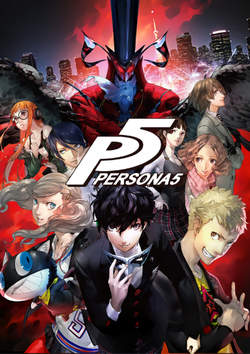










 Another SquareThought Site