

 Sep 2009


Zuma's Revenge! turns the simple pleasure of popping matching marbles into a Polynesian soap opera where an irritated tiki god yells at you between levels. The game is a sequel to the original Zuma and arrived on consoles and digital stores with shinier graphics, a pile of new power-ups, and something the first game dared not utter out loud: boss battles. On PS3 via PlayStation Network it behaves like a tidy puzzle game that got a holiday sweater - the mechanics are familiar, but the presentation and a few clever tricks keep it from being a sweater you regret wearing in public. It is small, sharp and smugly competent, and that is mostly to its credit.
Gameplay will be instantly recognizable to anyone who spent an unhealthy amount of time preventing colored spheres from reaching a skull-shaped goal in the mid-2000s. You control a ball-shooting frog that either rotates to aim or slides along a track, depending on the level. The objective is simple: line up three or more balls of the same color and they vanish. Clear enough and the game tells you you did a good job by making the rest of the string politely retreat while you take a bow. Strings of balls roll along tracks toward a skull emblem, and if they reach it the skull eats you and you lose a life. The pressure is constant but fair; the strings are 'pushed' by the last ball in line, so orphaned balls that aren't connected to the rearmost piece sit there looking mildly offended rather than sprinting toward doom. Power-ups arrive as special balls and are often the difference between composed victory and panicked, sweaty-fingered desperation. There is a visual guide you can earn that shows exactly where a shot will land, power-ups that slow or reverse the string, a three-way cannon that makes tough angles less sacred, a laser for surgical removals, bombs for chaotic flair, and lightning that wipes out all balls of a color like an overzealous janitor. These are deployed with the neat timing of a person who has learned their lesson and still refuses to behave. The game also introduces three new level types to spice things up: lily pads that let the frog hop between two positions, horizontal or vertical tracks that let the frog slide instead of rotate, and boss fights where you split your attention between reducing an enemy's hit points and keeping the balls away from the skull. Boss battles grant infinite lives for the duration of the fight; write that down and use it as permission to experiment with reckless valve-popping strategies. Modes include Adventure, which has you progress through six Polynesian areas of ten levels each while the angry god Zhaka Mu does his best passive-aggressive patter; Iron Frog, a brutal ten-level gauntlet with only one life; Challenge modes; and, on versions that include it, a Boss Rush. As you reach the 'Zuma' point goal in a level, new balls stop spawning and the existing string(s) move backward, creating a satisfying opportunity to clear the field. Progression unlocks modes and throws increasing curveballs at you, but the core formula rarely surprises: match, pop, chain, repeat. Critics called the boss battles and lighthearted gags highlights, and they're right - those moments add personality, which the genre does not always have in abundance.
On PS3 the game looks like what happens when a mobile puzzler goes to a spa and comes back high-definition. Backgrounds are colorful and detailed, sprites are crisp, and animations have a hand-painted charm that makes the whole thing feel less like a cleaning task and more like a backyard luau where someone forgot to invite the party planner. Bosses are animated with sufficient menace and mid-battle theatrics to justify the pause between chain reactions, and the little visual touches - splashes, particle effects, and fruit bonuses that wobble in exactly the right way - give repeated plays a pleasant, tactile feel. Reviewers praised the visuals for being an upgrade over the original, and the PS3 presentation keeps that promise: it is polished, readable, and never gets in the way of your main job, which is basic molecular tyranny against colored spheres. There is also the game's sense of humor, which is low-key and well-timed. The one-liners and boss gags land with about the same force as a wet towel, which is to say they are quietly amusing rather than uproarious. The audio does its job: jaunty island music, squelchy pops, and little death rumbles for the skull emblem. None of it will be cited at parties, but none of it will annoy you either. In other words, the aesthetics are competent, occasionally cute, and consistently unobtrusive - a feature for a game that asks you to pay attention to hundreds of tiny orbs.
Zuma's Revenge! on PS3 is a perfectly pleasant time-sink: comforting in its familiarity, improved in its presentation, and occasionally ambitious enough to throw a boss at you and remind you what risk feels like. Its main flaw is the same as the celebrity guilty of appearing at many sequels' parties: it is not radically different from the original Zuma. If you were hoping for a puzzle revolution complete with narrative breakthroughs and existential dread, this is not it. If you want a polished, charming, and mildly mischievous puzzler with boss fights, new level mechanics, and power-ups that let you feel clever without actually earning it the hard way, it is exactly that. The game received generally positive reviews on release, with critics pointing to the boss battles and graphics as particular highlights while grumbling at the series' comfortable reliance on the original design. For PS3 players who like their puzzles tidy and their interruptions brief, it is an easy recommendation. For completionists and the casually competitive, Iron Frog and Boss Rush offer a spike of difficulty that makes the experience worth returning to. Scorewise, it sits squarely in the 'very good' category: reliable, enjoyable, and unlikely to inspire either cult worship or vigorous hatred. That counts as success for a frog that shoots balls.
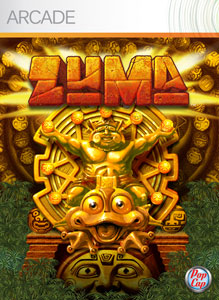 PopCap Hits! Vol. 1 on PS2
 PopCap Hits! Vol. 2 on PS2
 Puzzle by Nikoli 4: on PS4
 Twinbee Taisen Puzzle Dama on PlayStation
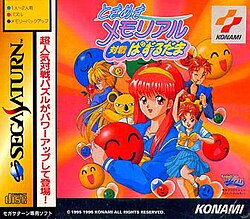
 Tokimeki Memorial: Taisen Puzzle-Dama on PlayStation
 Professor Layton and the Last Specter on DS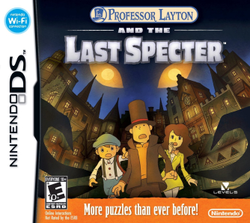
 Bejeweled 3 on DS
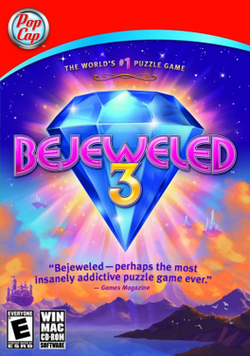 Bejeweled 3 on PS3
 Plants vs. Zombies: Garden Warfare 2 on PS4
 Plants vs. Zombies: Garden Warfare on PS4
 Bejeweled 2 on PS3










 Another SquareThought Site