

 Apr 2018


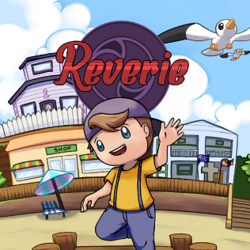
Reverie is a small but spirited action-adventure hailing from New Zealand indie studio Rainbite, released on PS4 (and PS Vita originally) in April 2018. If you have fond memories of SNES-era classics like EarthBound or The Legend of Zelda: A Link to the Past and also enjoy the idea of a game that wears its cultural roots on its sleeve, Reverie scratches that itch. It's got real-time combat, open-world-ish exploration, dungeons, and boss fights themed around New Zealand's history, culture and environment. On the surface it's cute pixel art and chiptune nostalgia; under the hood it's a game that asks you to be attentive, patient, and willing to learn from your mistakes. This review zeros in on the challenge aspects and the particular skillset Reverie expects you to bring to the controller-so if you want tips on surviving-and thriving-this tiny Kiwi adventure, read on.
Reverie's core loop is classic and deceptively simple: explore towns and wild spaces, find dungeons, solve puzzles, fight enemies in real time, and face bosses that demand pattern recognition and adaptation. Combat is not button-mash friendly. Enemies telegraph attacks in ways that reward observation and precise timing rather than brute force. Expect to block, dodge, and counter; learning enemy tells is the primary skill you'll use in almost every combat encounter. The game's difficulties come from several sources. First, combat design expects you to learn attack windows and enemy behaviors. Early foes might seem harmless until you realise their knockback or stun leaves you vulnerable to follow-ups. Bosses escalate this by layering attacks, forcing you to prioritise movement and positioning while juggling limited resources like health and any temporary power-ups you acquire. If you treat fights like a reflex fiesta, Reverie will slap you with a more methodical rhythm-attack, back off, bait, punish-so adaptability and patience are crucial. Second, dungeon design leans on environmental puzzles mixed with combat. Puzzle solutions are rarely random; they feel like little logic tests that ask you to notice patterns in the room, the tools available, and the map layout. Inventory and item usage matters-knowing which tool unblocks a pathway or which item reveals a hidden mechanism separates the confident explorer from the lost wanderer. Spatial reasoning and a habit of scanning the environment (look for subtle tile differences, interactable edges, or oddly-placed objects) will save you numerous backtracking headaches. Third, Reverie's open-world elements encourage exploration but don't necessarily hold your hand. The "open" parts are compact rather than sprawling, which is good because it rewards reading visual cues and NPC hints. Paying attention to dialogue and town gossip isn't just for atmosphere; it's often the only nudge you get toward a hidden dungeon or a boss encounter. This design favors players who like detective work-tracking clues, making maps, and keeping mental or literal notes-over those who prefer straight-line quest markers. Resource management in Reverie is another layer of challenge. Healing resources and any limited tools are not handed out in endless abundance, so combat encounters carry a mild tension. You will learn to conserve health and think ahead: is this skirmish worth the potions, or should you retreat, grind for a bit, and return better prepared? That decision-making is part of the core fun for people who enjoy small-scale strategic planning mixed into their action. The learning curve is friendly in that mistakes are usually teachable rather than fatal, but the game does demand a steady accumulation of skills: pattern recognition, precise timing, puzzle logic, environmental awareness, resource thrift, and basic map literacy. Boss fights embody this learning loop perfectly: they throw new mechanics at you, you get one or two brutal reminders of what you missed, and either you adapt or you get sent back to regroup. Expect several 'oh, that's how it works' moments-if you enjoy iterative learning and the satisfaction of fixing your own mistakes, Reverie works very well. There are no revolutionary control schemes here-what you need is competence. If your thumbs hate tight timing and you ignore enemy tells, the game will be more frustrating than fun. Conversely, if you love reading openings in fights and figuring out how a room ticks, Reverie rewards that investment with clever encounters and a steady sense of progression. The limited tutorial hand-holding means the game trusts players to try things, fail, and then learn. That trust is the biggest part of the challenge: Reverie expects you to be curious and persistent.
Reverie dresses its challenge in a very deliberate retro outfit. The pixel art aesthetic borrows heavily from SNES sensibilities-cozy sprite work, clear tile sets, and a palette that likes warm earthy tones when it wants to, and brighter poppy colours for town life. This clean visual language serves gameplay: enemy animations telegraph attacks clearly, backgrounds hint at secrets, and room layouts are legible, which is essential because puzzle and combat design often hinge on subtle visual cues. The influence of EarthBound and A Link to the Past shows in the character silhouettes and overworld composition, creating a comfortable visual shorthand that helps you make snap judgments in combat and spot interactables. Performance on PS4 is stable; this isn't a graphics showcase but it doesn't need to be. Animations are crisp enough that timing your parries or dodges feels fair rather than laggy or imprecise. Environments reflect the game's cultural inspirations-there's a sense of place in the flora and iconography that hints at New Zealand's landscape and history without ever becoming didactic. The HUD is minimal and functional, which is good because the gameplay demands you keep your eyes on the action. Overall, the visuals do the job they need to: they inform your decisions and make the challenge feel intentional rather than obfuscated.
Reverie is a compact, well-intentioned action-adventure that trades AAA spectacle for tight, teachable challenges. Its difficulty isn't derived from cruel spikes or cheap hits but from systems that reward attention and the slow accumulation of combat and puzzle skills. If you enjoy games that make you watch, learn, and then execute-boss fights as short lessons in pattern recognition, dungeons as logic playgrounds-Reverie will feel satisfying. For players who want an easy cruise with endless hand-holding, it may be a bit of a grind. The game's strengths are its readable pixel presentation, its respectful nods to SNES classics, and a design philosophy that trusts the player. Who should buy it? Players who like methodical, retro-styled action-adventures with bite-sized but meaningful challenges. Who should sit this one out? Gamers who prefer twitch-only combat or heavy modern conveniences like exhaustive quest markers. Scorewise, its Metacritic reception was middling, and a 7/10 on PS4 feels about right: not a masterpiece, but a charming, competent adventure that rewards the curious and the patient. Bring your observation skills, your patience, and a willingness to learn from failure-Reverie will teach you how to play, and you'll probably enjoy the lessons.
 Reverie Knights Tactics on Switch
 Klonoa Phantasy Reverie Series on PS5
 Tintin: Destination Adventure on PlayStation
 One Piece Grand Adventure on PS2
 Taiko no Tatsujin: Dokodon! Mystery Adventure on Switch
 Onimusha: Dawn of Dreams on PS2










 Another SquareThought Site