

 Apr 2021
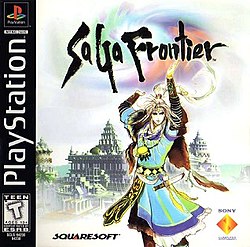

SaGa Frontier was born in the late 1990s as one of Square's more stubbornly idiosyncratic role‑playing experiments, and its Remastered edition for PlayStation 4 arrives like an old mixtape with a nicer case. Directed and produced by Akitoshi Kawazu and scored by Kenji Ito, the original 1997 release stunned some and baffled others. It offered a 'Free Scenario System' that tossed the conventional, tightly directed JRPG narrative out a window and let you pick one of seven protagonists to wander a solar system called The Regions. The Remastered version grafts on an eighth scenario, fixes a few rough edges, and polishes sprites and sound without attempting to turn the game into something it never wanted to be. If you remember the golden PlayStation era for bold ideas and blunted edges, this is nostalgia served with a modern mop.
The core conceit of SaGa Frontier has always been its Free Scenario System: seven (now eight) lead characters - Asellus, Blue, Emilia, Lute, Red, Riki, T260 and the Remaster's rescued-from-cutting-room-floor Fuse - each with their own loose narrative thread set across several distinct planets. From the outset you are handed a protagonist and a beginning, then given an awful lot of latitude to wander, talk, recruit, ignore, or bumble your way into trouble. This system is the game's personality trait and its occasional Achilles' heel. Combat switches from exploration's pre‑rendered, sprite‑populated fields to a turn‑based encounter screen where 2D character sprites punch above their weight against polygonal effects and rotating backgrounds. Battles reward experimentation: a good number of skills are learned in the heat of combat rather than bought in a shop, and discovering combination attacks is genuinely exciting. Leveling is more analogue than numerical at times - you watch HP, LP, strength and quickness creep upward as you tussle with regional fauna - and the mechanic that rewards you for completing scenarios by bolstering future characters' starts is an old-school meta incentive. Beat a character's tale and the next playthrough begins with bonuses fed from your save data; it's a neat carrot for completionists without feeling cheap. Where the Free Scenario System gleams, it offers freedom of tone - you might be playing a tragic half‑Mystic like Asellus one hour and a bouncy bard like Lute the next - but that same freedom leaves the storylines feeling skeletal compared to the dense epics Square was producing elsewhere at the time. The non‑linear design results in scenarios that can be shorter or less coherent than contemporary RPG norm, and the player is often left to forage for direction in a world built around travel between Regions by ship. The game encourages replay: each protagonist's tale intersects with others, optional quests abound, and finishing all main quests unlocks the tacky but charming '2nd Division' room, where you can fight bosses and, in true developer‑inside‑joke fashion, jabber with the programmers. Remastered improvements are largely practical. The eighth protagonist, Fuse, is restored from the original development plans and slots in neatly; quality‑of‑life fixes smooth the edges of the Free Scenario learning curve; and the modern release makes juggling equipment, spells, skills and the odd 'seal' mechanic less of a headache than rifling through PlayStation-era menus. Yet the game is not remedied of its design identity: if you found the original's open wandering aimless, the Remaster will give you more reason to wander, not less. If you loved the thrill of discovery and the novelty of non‑linearity, you'll find the same pleasures amplified by cleaner presentation.
SaGa Frontier wears its 1997 pedigree on its sleeve. The Remastered edition cleans and rehouses the classic 2D sprites by Tomomi Kobayashi and company into higher resolution frames and refreshes prerendered backgrounds, but it does not attempt to repaint the picture completely. Those who expect a full 3D overhaul will be disappointed: the aesthetic remains deliberately retro, with sprite animation that can look modest next to modern titles. In the original era critics were split - some called the sprites dated and backgrounds flat, others said the mix of sprites and polygonal effects made the game stand out - and the Remaster preserves that conversation as if it were a historical document. Polygonal effects and rotating 3D backdrops still give battles a flourish, and Kenji Ito's score benefits from the remastering treatment, sounding clearer and fuller without losing its melodramatic charm. Pre‑rendered areas remain non‑interactive, and exits can be obscured by the same flatness that once earned the game complaints; the Remaster fixes a few readability issues but not every spot where the original's staging made navigation awkward. In short, the graphics are intentionally nostalgic: they won't fool anyone into thinking SaGa Frontier is a contemporary technical showcase, but for fans of the era the art direction and character design retain a peculiar, compelling personality.
SaGa Frontier Remastered is a careful restoration rather than a rewrite. It remembers what the original did: it prized player agency, episodic variety, and a combat system that rewarded curiosity. It also remembers the original's faults - disjointed scenarios, occasional lack of direction, and a visual style that divides opinion - and addresses some of them without betraying the game's DNA. The added Fuse scenario and modern conveniences make the Remaster the definitive way to experience this strange, ambitious title, but newcomers should be warned: this is not a guided cinematic epic. It is a playground with seven (now eight) shifting rulesets, quirky mechanical choices, and more than a little stubbornness. For collectors and veterans, the Remaster is a respectful, sometimes affectionate upgrade. For those who missed the game the first time around and prefer tightly plotted RPGs with linear sagas, the Free Scenario System will feel either liberating or infuriating depending on your tolerance for aimless exploration. The combat remains the heart of the package - clever, sometimes unforgiving, and often rewarding - and Kenji Ito's music keeps the atmosphere from ever going flat. This edition earns a solid 7.5 out of 10: a game with rough edges, historical weight, and enough unique ideas to earn a place on any shelf devoted to the odd but influential RPGs of the 1990s.
 SaGa: Scarlet Grace - Ambitions on PS4
 SaGa Frontier Remastered on Switch
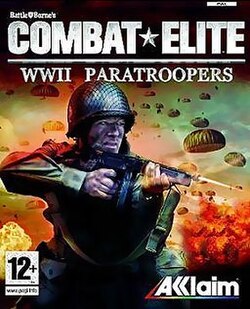
 Combat Elite: WWII Paratroopers on PS2
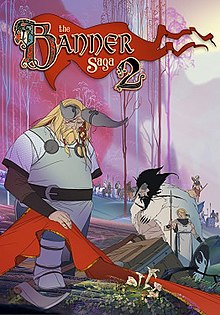
 The Banner Saga 2 on PS4
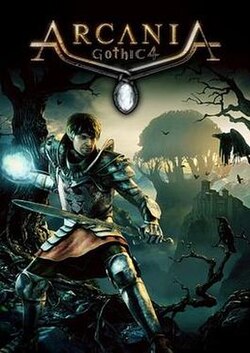
 Arcania: The Complete Tale on PS3
 Gnosia on Xbox Series X/S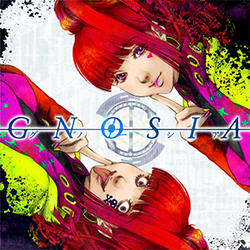
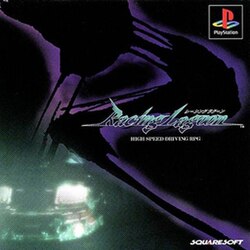
 Racing Lagoon on PlayStation
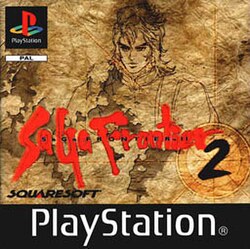
 SaGa Frontier on PlayStation










 Another SquareThought Site