

 Aug 2024

If you like your comedy with a side of eldritch horror and enjoy solving brain-tickling puzzles while two mismatched detectives bicker like roommates who never paid rent, Sam & Max: The Devil's Playhouse Remastered on PS4 is a very satisfying mischief sandwich. This is the third episodic season from Telltale, resurfaced by Skunkape Games with prettier lighting, smoother models, and the restored Nutri-Specs power that PlayStation players once got to gloat about. What makes this a delightful console experience - and the focus of this review - is how the game translates complex point-and-click puzzle design into gamepad-friendly challenge, and what mental muscles you'll need to flex to get through five episodes of timey-wimey brain probes, possessed toys, and cloning shenanigans.
The Devil's Playhouse is, at heart, a puzzle game wrapped in witty dialogue and slapped on a noir-ish cartoon. If you're expecting twitch reflexes, leave those thumbs to relax; instead, get ready for inventory juggling, multi-step environmental puzzles, and a steady diet of logic that occasionally leans toward the gloriously obtuse. The remaster preserves the series' move away from strictly passive point-and-click: Sam and Max are both under your thumb, you can swap between them, and Max gains a rotating menu of psychic powers that redefine how you approach problems. On PS4 the game handles controls much better than its ancestors. The engine was redesigned to accept traditional third-person gamepad inputs, and here you feel the payoff: walking, examining, swapping characters, and using powers are mapped so you don't need a cursor to be a detective. Inventory management was refined for console use, too, which matters because many solutions demand precise combinations of items or items used on very specific scenery bits. Rather than clicking every possible hotspot, you learn to read the scene with intention - inspect, combine, then test. That's where the main challenge lives. Puzzle design in these episodes often rewards lateral thinking. You won't always be given the step-by-step playbook. Instead, clues appear in film reels, overheard conversations, and throwaway lines from NPCs. Paying attention to dialogue is not optional; jokes are frequently dual-purpose, serving as both punchline and crucial hint. The psychic powers give each episode its own puzzle identity: in one chapter Max can see the immediate future, in another he can read minds or teleport to known phone numbers. These powers are integrated into puzzles rather than tacked on as novelties, which means mastery of them is crucial. For example, teleporting to a telephone you remember the number of forces you to memorize or note numerical clues - a small but clever mental challenge. Because Sam and Max are both playable, many puzzles hinge on switching characters and leveraging their contrasting skills. Sam is the straight man with practical uses of inventory and environmental interaction; Max is the wildcard whose psychic abilities open weird, otherwise-locked solutions. This creates a nice orchestration where you mentally track two parallel inventories and sets of available moves. The design nudges you toward multi-step solutions: acquire an item with Sam, hand it to Max, use a psychic power on a third object, return to Sam for the finishing move. That orchestration is the game's core mechanical challenge and is very satisfying when it clicks. Expect to be patient and experimental. Some puzzles are delightfully clever, others are gloriously old-school adventure-style obtuse. If you like trial-and-error, trying every combination of collected objects on every suspect prop will be part of the fun; if you prefer pure deductive elegance, you may occasionally groan at the one-off solutions that hinge on a gag or pop-culture wink. Either way, the remaster softens the frustration by improving visual clarity, and the PS4 control scheme prevents the fiddly cursor faff that used to turn a charming puzzle into a chore. A few challenge-specific points to brace for: puzzles sometimes require good memory (phone numbers, film reel details), a willingness to reexamine locations after story beats (many solutions unlock after new items or dialogue), and a readiness to treat NPC conversations as research instead of small talk. The episodic structure helps: each chapter introduces new toys of power and mechanical twists, so you are constantly learning new systems and then expected to combine them with older mechanics. That ramp keeps the puzzle loop fresh for most of the season, but it also raises the bar for how attentive you need to be to keep up. If you're the type who likes hand-holding, there are moments where the game sends you off on a wild goose chase; checkpoints in logic can feel sparse. Conversely, experimental players will relish the sandbox-esque combinations you can discover. The remaster's restored Nutri-Specs power is a welcome extra tool, adding an alternate path to certain puzzle solutions and a nice nod to the PS3 audience who had exclusive content before. Overall, the gameplay asks you to think like a detective with a warped sense of humor: observe, note, combine, and above all, try the silly option - because often the silly option is the one that works.
Skunkape's remaster does a neat trick: it keeps the cartoony charm intact while making the world pop on a modern TV. Character models have been updated, lighting is smarter and moodier, and environments have received a polish that helps you spot interactive elements without stripping away the hand-drawn aesthetic. That visual clarity isn't just pretty; it aids puzzle solving. Hotspots and scene readouts are easier on the eyes, which reduces pointless pixel-hunts and keeps you focused on actual brainwork. The new cinematography and tightened environment design also crank up the comedic timing - a well-composed cutaway can sell a clue as easily as dialogue. Sound and music get a lift too: the remaster refines Jared Emerson-Johnson's score and cleans up voice lines so the witty banter is crisp. Since listening closely to NPCs is part of the challenge, clean audio matters. If you're playing with headphones, jokes land better and hints hide in tone. The only minor gripe is that the game still rides the line between cinematic story beats and puzzle pauses; sometimes the camera will relish a dramatic framing right when you want to sprint back to an earlier room to try a different item. It's an easy quibble next to the overall quality boost the remaster provides.
For puzzle lovers who enjoy their challenges with a heavy coating of absurdist humor, Sam & Max: The Devil's Playhouse Remastered on PS4 is a treat. The game demands observation, memory, flexible thinking, and a willingness to swap perspectives between Sam and Max. The puzzles are clever more often than not, and the psychic power gimmicks give each episode a distinct mechanical flavor. Skunkape's visual and control upgrades turn what was once a PC-centric point-and-click experience into a comfortable, console-friendly brain workout. If you like slow-burn mysteries, inventory acrobatics, and the occasional gleefully obtuse solution, you'll score this higher than the Superego scores Max's moral compass. If you prefer fast action and hand-holding, you might find yourself muttering at one or two head-scratching moments. Overall score: 8/10 - clever, polished, and still gloriously weird.
 Sam & Max: The Devil's Playhouse Remastered on Switch
 Mad Max on PS4
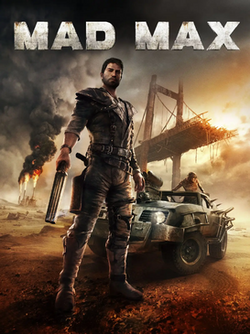 Tintin: Destination Adventure on PlayStation
 One Piece Grand Adventure on PS2
 Taiko no Tatsujin: Don to Katsu no Jikū Daibōken on Switch
 Taiko no Tatsujin: Dokodon! Mystery Adventure on Switch










 Another SquareThought Site