

 Jun 2019
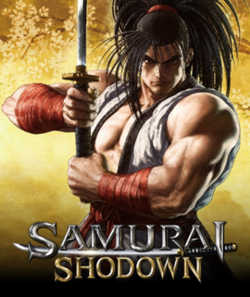

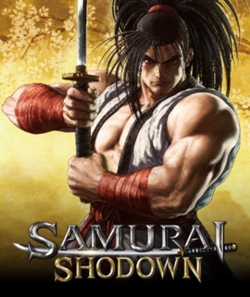
Samurai Shodown (2019) staggers back onto modern consoles like a katana-wielding granddad who's just discovered game patches and Unreal Engine 4. It's positioned as a reboot of SNK's weapon-based fighter series, and more importantly, as a technical corrective to the company's older 3D-animated experiments. On PS4 the game sits comfortably between nostalgia and modernization: it keeps the old-school spacing and heavy-hit feel that longtime fans love while using contemporary tools to dress those mechanics in 3D models on a 2D plane. If you care about systems, inputs, and what makes a hit actually feel like a hit, this one was built with those concerns front and center.
At its mechanical core, Samurai Shodown is deceptively simple: four-button input (weak, medium, strong weapon strikes, and kick) married to a deliberate pace that rewards timing and spacing over flurries of combo gymnasticism. The control mapping is intentionally conservative - that conservatism is a feature, not a bug. Weapon reach and hitstop mean that positioning and whiff punishment have more weight than they do in many modern fighters; a missed strong blow can be a marinade recipe for pain if your opponent bakes the punish correctly. The Rage Gauge is the central metagame lever. It fills when you take damage, and a full gauge grants access to rage mode - a temporary buff that increases damage and enables a disarming blow. Activation also produces an explosion that forces separation, creating a high-risk, high-reward window for follow-ups or resets. The tradeoff design is sharp: once rage mode expires you lose the ability to use the gauge again for the remainder of the round, which prevents repeated steamrolling while still giving the trailing player a comeback tool. It's a crisp implementation of comeback mechanics that avoids the rinse-repeat loop seen when players can repeatedly cash out resource for the same benefit. Each character gets a Super Special Move that deals very high damage but is limited to one use per match. This single-use constraint changes decision trees drastically compared to fighters with multiple super bars or meter-based cancels. The question becomes: do you spend your one 'nuke' in a guaranteed punish, or do you gamble for a read and potentially turn a round on its head? That scarcity heightens tension and forces a clean mental accounting of risk versus utility. Defensive and movement systems emphasize counters, captures, interceptions, and evasions via special button combinations. These mechanics reward mechanical precision and read-based play rather than random defensive spam. The inclusion of bloody finishing moves returns visual punishment but also feeds into the game's identity: it's not trying to be a neutral, floaty anime fighter; it wants each strike to feel terminal. The AI systems are also worth calling out because they play into practice and training in a modern competitive environment. Samurai Shodown ships with a trainable 'ghost' AI that records the player's behavior and attempts to mimic it. From a technical standpoint this is a high-utility tool: it exposes predictable movement patterns, exposes overused approaches, and gives solo players a way to stress-test their own habits. For those grinding fundamentals, the ghost provides a different kind of feedback loop than endless CPU ladders - it's essentially an automated mirror that can reveal your bad tendencies without you needing to spectate an opponent's replay and manually annotate mistakes. Where Samurai Shodown sometimes stumbles is in single-player breadth. The combat systems are tight, but the number of distinct single-player modes and activities is limited. The game was developed with a keen eye to the esports scene and to satisfying competitive players, which explains why the net result is mechanically rich but somewhat thin on campaign variety. The roster starts with 16 playable fighters with post-launch DLC seasons that expand both quantity and playstyle diversity; guest characters and third-party additions broaden the meta, although guest characters are unavailable on the Netflix version of the title.
The switch to Unreal Engine 4 is the headline technical upgrade here and it shows. SNK abandoned the older in-house pipeline to gain modern rendering features, better lighting, and more fluid animation blending. The result is a 2D fighter (stage plane and gameplay) built with 3D assets that manage to preserve the nick-and-cut aesthetic of the original sprites while avoiding the uncanny valley of earlier SNK polygonal efforts. Character models are detailed without being overly photorealistic - a deliberate stylistic choice by the team to avoid blending in with the glut of hyper-realistic fighting-game art directions. On PS4, visuals are clean and character silhouettes read well, which is critical in a spacing-heavy game. Hit sparks, hitstop timing, and the tactile 'weight' of weapon contact are conveyed through a combination of animation timing and particle/feedback effects rather than sheer frame-rate tricks. That subtlety helps hits feel impactful: you'll notice the game leans on animation frames and brief freezes on contact to telegraph the severity of strikes. Performance-wise the document doesn't promise exotic PS4 frame rates; the big frame-rate headline belongs to the Xbox Series X/S enhanced version which supports up to 120fps. What matters more for PS4 players is that SNK prioritized a stable feel and readable presentation over chasing high-resolution fidelity. Post-launch, the community got what they wanted most: rollback netcode. Implemented with Code Mystics and GGPO technology, the rollback update arrived on PC first and was pushed to consoles later, greatly improving online latency and making competitive matches less dependent on geographic proximity. From a technical perspective, this is the single biggest quality-of-life upgrade the game received - rollback netcode is arguably more important to long-term health than shader bells and whistles. On the development side, the team composition (50-60 internal staff with outsourced contributions to total around 200) shows a pragmatic approach: core systems and design kept in-house, with art and auxiliary assets farmed to partners. This approach allowed SNK to modernize its pipeline without overcommitting internal resources, which is a sensible model for mid-tier fighting-game production.
Samurai Shodown on PS4 is a focused, technically-minded reboot that excels where it matters to the competitive player: tight inputs, meaningful resource decisions, and a visual presentation that supports - rather than obscures - gameplay readability. The Rage Gauge, single-use super moves, and deliberate four-button scheme form a compact rulebook that rewards mastery and punishes sloppiness. The ghost AI and later rollback netcode reflect a developer who understands training loops and online realities. If your checklist includes sprawling single-player campaigns, tower after tower of filler modes, or cinematic story fluff, this release can feel spare. That sparseness is an intentional tradeoff: depth-in-mechanics over breadth-of-modes. For people who want a modern, well-tuned weapon fighter with modern netcode and an old-school sense of peril on every hit, Samurai Shodown is a smart pick on PS4. For completionists who want endless solo distractions, it'll probably feel like you're getting great sushi but no all-you-can-eat buffet. Score: 8.0/10 - A technical success and a finely-honed fighting game that sometimes sacrifices single-player variety for competitive purity. In short: bring patience, learn spacing, and cherish your one super move like it's the last slice of pizza.
 Samurai Shodown NeoGeo Collection on PS4
 ACA Neo Geo: Samurai Shodown V on Xbox One
 Samurai Shodown IV: Amakusa's Revenge on PlayStation
 Ultraman Fighting Evolution on PlayStation
 ACA Neo Geo: Art of Fighting 2 on Xbox One
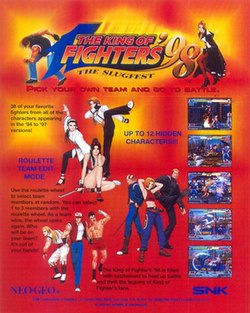
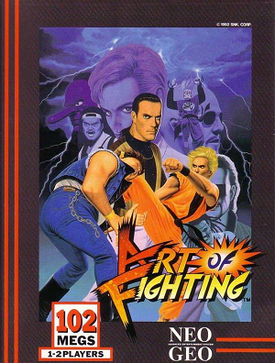 ACA Neo Geo: The King of Fighters '98 on Xbox One
 Touhou Hyoibana: Antinomy of Common Flowers on Switch
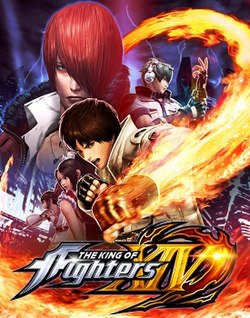
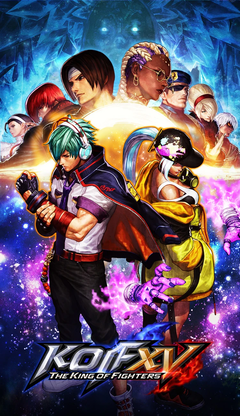 The King of Fighters XIV on PS4
 Samurai Shodown on Switch
 Art of Fighting Anthology on PS2










 Another SquareThought Site