

 Feb 2019
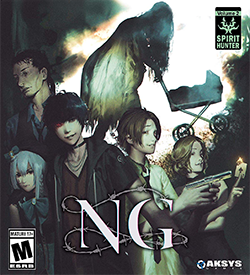

Spirit Hunter: NG (short for 'No Good') is the sequel that traded the previous entry's bleary, midlife-amnesia mystery for something with more teenage adrenaline and simmering dread. It still lives in the visual-novel/adventure hybrid lane - you poke around haunted flats, touch other people's blood (with consent, sometimes), and have tense, timed 'crisis choice' moments when your life insurance clearly doesn't cover being chased by vengeful yokai - but the real engine here is the people. The development team deliberately pivoted from an amnesiac, middle-aged protagonist to a hot-blooded student, and that change matters. Where Death Mark felt like an unsettling puzzle box you had to pry open, NG is an interpersonal slow-press: the horror creeps in through relationships, through everyday spaces, and through decisions that force characters to change or to break. If you're buying NG on PS4, expect a tightly written, character-forward horror story that rewards empathy as much as puzzle-solving. Critics largely agreed it was a step up from its predecessor thanks to clearer writing, more distinct cast members, and a tone that introduces its frights gradually rather than whacking you with a jump-scare hammer every five minutes. But the game's emotional weight comes from its cast and the choices they make together - and how those choices echo through the story arcs you shepherd as a player.
On paper, NG's gameplay is refreshingly unpretentious: point-and-click investigations, an inventory-driven boss confrontation system, optional side quests that have you hunting for hidden cards, and the 'bloodmetry' ability - touch a bloodstain and get a vision. The real trick isn't in the mechanics themselves but in how those mechanics are woven into character moments. Investigations are rarely sterile fetch-quests; they're conversations you have with rooms and objects that belonged to people with unfinished stories. Every clue you find is also a breadcrumb for a human arc. That design choice makes the partnership system matter more than simple companion comedy: partners don't just follow you for flavor text. They react, have backstories, and their emotional state is sticky. The 'judging' mechanic is the game's emotional joystick. When you respond to a partner's remark, you aren't acquiring a mechanical bonus so much as nudging a relationship arc. These arcs matter during spirit confrontations. The game's boss encounters let you either purify a spirit - releasing it and freeing a partner from spiritual shackles - or destroy it, which tragicly transfers the curse onto that partner and kills them. This binary forces you to weigh empathy against ruthlessness. Do you gamble on purifying a spirit you barely understand, trusting the bond you've formed? Or do you choose the brutal certainty of destruction and accept the human cost? It's a bleak-but-effective place to put moral agency: your characterization of the protagonist - impulsive, hot-blooded, occasionally heroic to a fault - becomes a gameplay lever. 'Bloodmetry' sequences deepen character arcs by providing intimate, often painful, glimpses of a spirit's life. The game treats spirits not as one-note monsters but as people with relatable issues, and by learning their stories you are offered non-violent closure. The optional side quests and text messages that send you hunting for cards are small but charming chances to see partners in softer moments. The 'crisis choice' segments add physical stakes to relations; failing them doesn't just restart a scene, it heightens the tension around who is with you and why. Critics found the user interface accessible and appreciated the way these systems advanced beyond the first game, though some reviewers felt a few scenes were confusing enough to invite trial-and-error. On balance, the gameplay is designed to make you care, and that design largely works: the mechanics are less about twitch skill and more about shepherding people through arcs of guilt, grief, closure, and, sometimes, sacrifice.
The visuals in NG earned near-universal nods for atmosphere and style. Character and monster designs are distinct, and the environments sell the game's stated goal of depicting horror in everyday life - an ordinary apartment or a kindergarten playground can feel wrong in ways that linger. Animation is minimal, but the static compositions, lighting, and art direction are often enough; Digitally Downloaded called it a 'visual masterpiece' despite the restrained motion. Death scenes, in particular, are handled with weight; Famitsu singled them out as highlights for how the art and writing combine to make loss land hard. The soundtrack and audio work by Naoaki Jimbo add texture, though critics like RPGFan pointed out the reuse of several tracks from the previous game, which occasionally undercuts originality. If you're the sort who prefers cinematic motion, NG won't win you over with flashy animation, but if you care about tableau, mood, and design that compliments character beats, the PS4 presentation is satisfying.
Spirit Hunter: NG is a quiet, often sad little horror game that loves its characters more than cheap scares. The shift to a hot-blooded student protagonist and the careful, gradual layering of dread make it an emotional experience as much as a detective one. The 'judging' mechanic and bond-building genuinely alter how you feel about the cast, and crucial choices during spirit confrontations force your moral stance into sharp relief. The visuals support the tone, even if some audio cues feel recycled, and the game is generally seen as a worthy step up from its predecessor. This isn't a perfect game: pacing stumbles and a handful of slightly opaque scenes can make you brute-force some solutions, and some will find it forgiving where others want teeth. But if you like Asian horror atmospherics - the lingering sense of tragedy that sits behind every ghost story - and you prefer horror that asks you to care about people rather than just survive set-pieces, NG on PS4 is worth your time. Think of it as a haunted friendship simulator where your choices decide who gets healed, who gets cursed, and who gets a genuinely ugly, unforgettable goodbye.
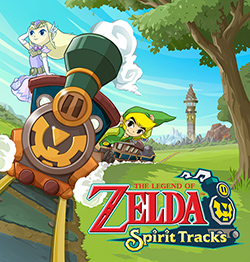
 The Legend of Zelda: Spirit Tracks on DS
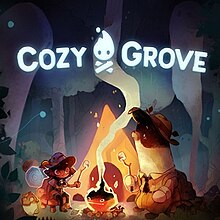
 Cozy Grove on Switch
 Tintin: Destination Adventure on PlayStation
 One Piece Grand Adventure on PS2
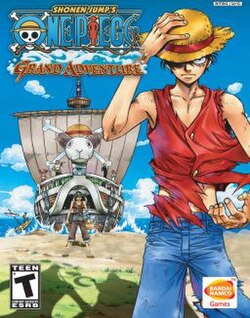 Taiko no Tatsujin: Don to Katsu no Jikū Daibōken on Switch
 Taiko no Tatsujin: Dokodon! Mystery Adventure on Switch
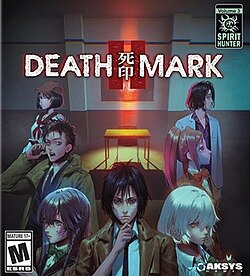 Demon Gaze Extra on Switch
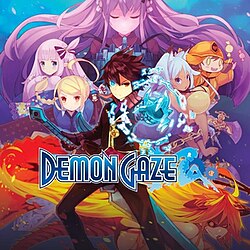 Demon Gaze II on PS4
 Demon Gaze Extra on PS4
 Mon-Yu on PS5










 Another SquareThought Site