

 Dec 2019
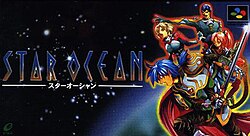

Star Ocean: First Departure R is the HD remaster of a game that started the whole Star Ocean sandwich - sci-fi, swords, weird time travel, and a surprising amount of cooking. If you boot it up on PS4 expecting a modern action-RPG twitch-fest, you'll quickly learn this game is from an older school: it rewards foresight, menu-mastery and patience more than perfect thumb reflexes. The remaster polishes the visuals, gives you more audio options, and - crucially for anyone worried about boredom - fiddles with difficulty. For challenge seekers, the interesting bit isn't always the damage numbers; it's the multiple little systems that interact and punish sloppy decisions. If your idea of fun is setting up a party so perfectly that enemies are the ones who panic, this is the kind of game that makes scheming feel like a legitimate playstyle.
The combat is a real-time, party-based affair that looks simple at first glance but turns into a deliciously fiddly puzzle once you dig into the mechanics. You control one character directly while up to three others run on the AI you configured beforehand, and the key tension is this: you can only assign special attacks and strategies before battle, so your preparation phase actually matters. That design choice makes the game less about lightning-fast inputs and more about prediction and composition. Knowing when to switch characters mid-fight is a skill you pick up fast; a well-timed driver change to chain combos or exploit an enemy weakness is the difference between a textbook victory and a pocket-sized disaster. The remake's combo attack system lets specials stack into more potent moves, so learning combo windows and sequencing attacks becomes a satisfying technical layer. Resource management feeds into the challenge. Special techniques (Symbology) use MP, which is finite and hard to spam early on. Special Points (SP) gained from battle are the currency for improving non-combat and combat skills alike - cooking, item creation, weapon proficiencies - and allocating those SP is where long-term strategy lives. You'll be deciding whether to invest in higher-tier weapon skills now or save to unlock crafting recipes that make weapons stronger than shop purchases. Crafting and item creation are not mere time-sinks; they're often the most efficient path to surviving tougher encounters, which encourages a "prep is power" mindset. Item limits and inventory management force you to prioritize: carrying every buff potion is a luxury you won't always get. Party recruitment and Private Actions add a different kind of challenge: social and branching-play. Up to eight characters can be recruited across playthroughs, but only eight of ten are possible in any single run, and certain recruits require specific party sizes or story choices. Private Actions in towns - the game's affection system - will nudge character relationships and can alter party composition and endings. If you like min-maxing relationships for mechanical benefits or alternate endings, this becomes a meta-challenge. It's also time-management: will you scour every town for those hidden scenes, or will you push through the main plot and risk missing affinity windows? The AI-controlled characters need babysitting at first. You set broad strategies, but they can make dumb choices in the heat of battle; training yourself to build teams that complement each other is a practical skill. For example, pairing a heavy-hitting swordsman with a healer who has reserved MP and a ranged support that interrupts casts makes many fights trivial. Conversely, a mismatched party will struggle against enemies that punish predictable behavior. Boss design in Star Ocean's lineage was criticized for being uneven, and the original game had moments where bosses either felt bland or unfairly easy; First Departure R attempts to rebalance difficulty, so expect some fights to require genuine thought rather than button-mashy persistence. Trial-and-error still exists, but it's more micro-strategic now: learn enemy tells, manage MP, chain specials, and switch to the character best suited to the moment. Random battles on the world map keep tension up; you can't assume safe passage. The PSP remake added a world map to help navigation, and the R remaster increases movement speed, but random encounters still demand readiness. Limited save points (criticized in earlier versions) reward planning - saving before big dungeons isn't optional if you hate repeating thirty minutes of careful resource allocation. All of these systems together mean the game's challenge is broad: mechanical (positioning and combos), managerial (SP/MP/inventory), and strategic (party composition and affinity choices). If you enjoy learning systems and outsmarting them, First Departure R is a playground.
Visually the remaster is a mixed vibe: character portrait art toggles between PSP-era designs and re-drawn Super Famicom-inspired portraits, and the animated cutscenes - created for the PSP - don't always match the new artwork. Sprite animation in-battle still animates nicely and the pre-rendered backgrounds retain charm, which is important because visual clarity helps with spatial judgement in fights. The remaster doesn't revolutionize the look, but it tidies it up; for a game with a heavy planning component, readable visuals are more important than flashy effects. Motoi Sakuraba's score is here to back the fights and exploration, and the audio options let you pick English or Japanese voice tracks from different eras, which is a surprisingly welcome quality-of-life fix for players who replay scenes to grind affinity or prepare for a boss encounter.
Star Ocean: First Departure R isn't trying to be the latest action-RPG flex - it's a remaster of an older design philosophy that prizes preparation, systems interplay, and planning ahead. The difficulty has been rebalanced from the PSP days, but the core challenge remains cerebral: make your party work together, manage SP and MP like the economy depends on it, exploit combo stacking, and don't sleep on crafting. You won't win purely by mashing the attack button, but if you enjoy learning mechanical loops, optimizing builds, and squeezing every advantage out of a quirky party, you'll get a lot of mileage here. It's best approached with a mindset that celebrates systems rather than spectacle. For players who like problems that are solved by clever setup rather than twitch reflexes, this remaster is a satisfying challenge - even if it sometimes feels like the game is grading you on your Excel spreadsheet of battle prep.
 Star Wars Battlefront II on PS4
 PES 2013: Pro Evolution Soccer on PS3
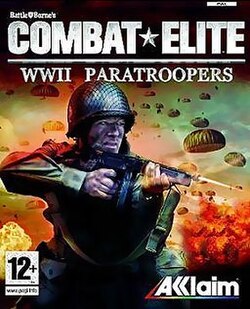
 Combat Elite: WWII Paratroopers on PS2
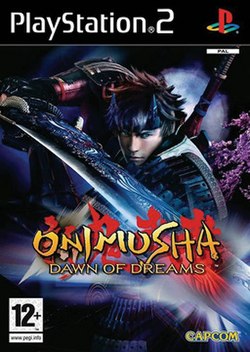
 Onimusha: Dawn of Dreams on PS2
 Disney's Chicken Little: Ace in Action on PS2
 Action Man: Operation Extreme on PlayStation










 Another SquareThought Site