

 Nov 2015
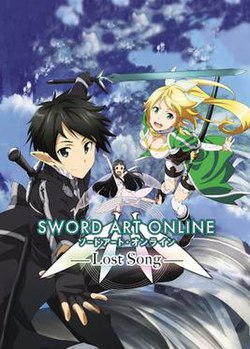

Sword Art Online: Lost Song arrives wearing the franchise's familiar anime wardrobe and a backpack full of 'what-if' plot threads. It's an alternate-timeline romp through ALfheim Online where you get to fly, fight, and occasionally stare at still images while the story happens. If you came expecting a sprawling, canonical sequel to the light novels, you will be disappointed in a polite, well-costumed way. If you came for fanservice, flying combat, and the comforting sensation of familiar characters doing new things only slightly more consequential than rearranging furniture, this is the DLC-sized daydream you've been waiting for. The PS4 build dresses the Vita and PS3 origins up a bit, with slightly nicer resolution and fewer jagged edges when you look away from the important things. It is, in tone and structure, a game designed to please existing fans first and everyone else second. Which is exactly what the reviews said in more formal words and fewer ironic eyebrow twitches.
Lost Song moves away from the pseudo-MMO trappings of its predecessors and leans into straight-up action. Combat runs on a party-of-three setup: you, plus two buddy characters you assign spells and simple tactics to. Kirito's dual-wielding notoriety remains intact, but you can also play as 19 different characters, two of which prefer the exclusivity of downloadable content. Character creation exists for players who like imagining Kirito from a different angle, because nothing says alternate timeline like giving the hero a different haircut. The most advertised change is the airborne combat. You can fly around floating continents, slashing through enemies with the grace of someone who has never attempted real aerodynamics. Flight empowers combat with three-dimensional movement, healing a little of the series' past clunkiness. There are altitude limits early on (because early plot and tutorial fairness), and dungeons act like strict landlords who will not let you take your magic carpet through their doors. Ground combat is still a thing when the level designer deems it responsible. Auto-attack handles minor skirmishes so you can feel important while watching your AI companions chip away at enemies. The Union gauge and switch attack system let parties chain attacks in a way that makes you feel part of an actual team rather than an overworked protagonist with two supportive props. Magic and skills vary by race - salamanders fling fire, sylphs prefer wind, and your swords have skills that level up into new toys. There is also the Skill Connect exploit, a little loophole you can use to smash together consecutive Sword Skills without delay. It exists in the story and will probably exist in your friends' YouTube clips; it rewards experimentation and, occasionally, a dramatic-looking finish that requires no deep thought. The multiplayer modes are easy to like. There are 16-player lobbies, four-player quest parties, boss-slaying raids, and even 4v4 PvP if you feel competitive enough to bring your best alt build. Reviewers liked the multiplayer and the controls, and for once those two compliments were not backhanded. If the single-player disappoints you, the online component offers a pleasant place to hang out and fight slightly stronger versions of the same bosses you saw in the solo campaign. Where Lost Song trips is the environment design. Dungeons tend to be repetitive and bland - the word 'recycled' appears so often in reviews that it should receive royalties. Enemies and maps repeat themselves with the enthusiasm of a band playing the same three songs at a tiny festival. Story delivery is visual-novel style: static character portraits and text instead of animated cutscenes. That saves production budget and gives the plot a papercraft charm, but it also makes pivotal moments feel like they were narrated by a polite librarian rather than experienced by the player. The lack of English voice acting is noticeable; if you like your anime with full dub energy, you'll be listening to subtitles and imagining slightly better voicework in your head. Overall, gameplay is competent and occasionally delightful when flying combat opens up a good encounter. It is hamstrung by repetitive level design and storytelling that prefers tidy exposition to cinematic immersion. For fans who prioritize character interactions and action-lite mechanics, Lost Song delivers. For players who want fresh level variety and cinematic polish, it's five or six hours of promise and then a few more hours of déjà vu.
On PS4, Lost Song looks like a console that has been told to stop trying to be a PC and has accepted its fate with dignity. Character models are faithful to the anime, which is the game's main selling point for many players. Textures and environments are clean from a distance; up close, they reveal the budget-conscious geometry that says 'we spent our polygons on the main cast.' Lighting and colors do well to sell the floating continents - Flosshilde's icy expanses and Woglinde's windy blades of grass hit the expected moods - but there is no technical showboating. Camera angles are competent and rarely dramatic in any meaningful sense. The UI is serviceable and the transition from menu to fight is smooth. Cutscenes are static images with text, which saves on animation but also kills any chance of a wow moment unless you are moved by still-frame composition. The soundtrack gets a boost from theme songs by Eir Aoi and Luna Haruna; those tracks are pleasant and appropriately anthemic, which is useful when the game itself is being measured for enthusiasm. Performance on PS4 is mostly stable. You won't be benchmarking frames while wearing a cape, but the experience is free of the kinds of hiccups that make you look for patch notes and blame your router. If you want glossy next-gen prettiness, you'll be disappointed. If you want anime characters rendered clearly and the occasional nice vista, you'll be satisfied.
Lost Song is a polite, earnest piece of fan fiction in game form. It gives you what it promises: flying combat, party customization, multiplayer lobbies, and an alternate-timeline SAO story that exists to let beloved characters do slightly different things. The controls and multiplayer are its strongest suits, and they work exactly well enough to make grinding tolerable. Its weaknesses - repetitive dungeons, static-story presentation, minimal cinematic ambition, and the absence of English voice acting - are the sort of flaws that make non-fans check their watches and fans check their shipping lists. If you are a die-hard Sword Art Online fan, especially one who enjoys experimenting with characters and taking fights to the sky, Lost Song will feel like a neat little vacation in ALfheim. If you are a more general action-RPG aficionado seeking innovation, bold level design, or an emotional narrative delivered with production values beyond still images and subtitles, this game will likely fade into the background of your backlog faster than Seven's fan club attendance after a controversial tweet. Score-wise, the PS4 version sits around a 6.3 out of 10 on Metacritic and that feels about right. It is competent, occasionally charming, and frequently predictable. Play it if you love the world and characters - or if you just want to see what it's like to dual-wield while drifting over a windmill. Do not play it expecting the moon. The moon is busy being another game's open world right now.
 Shinobi: Art of Vengeance on Switch
 Sword Art Online: Fatal Bullet on Switch
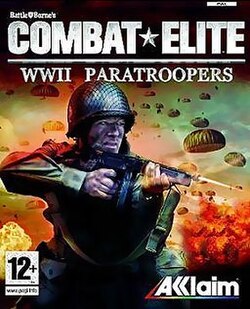
 Combat Elite: WWII Paratroopers on PS2
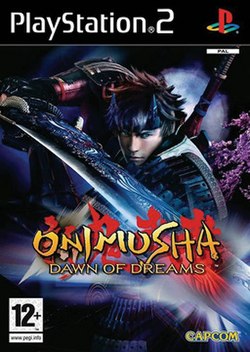
 Onimusha: Dawn of Dreams on PS2
 Disney's Chicken Little: Ace in Action on PS2
 Action Man: Operation Extreme on PlayStation
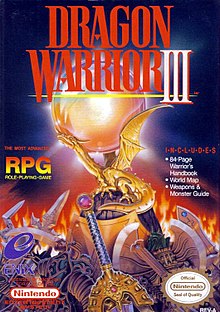 Dragon Quest III HD-2D Remake on Switch
 Dragon Quest III HD-2D Remake on PS5
 Triangle Strategy on Switch
 A-Ressha de Ikou 2001 Perfect Set on PS2
 A-Ressha de Ikou 2001 on PS2










 Another SquareThought Site