

 Nov 2019
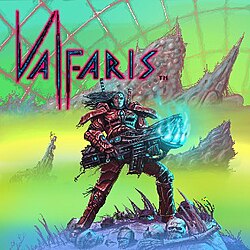

Valfaris is a 2D action-platformer that straps a rocket to the back of heavy metal and fires it straight into a melting pot of demons, shrines, and obscene boss design. Developed by Steel Mantis and released on PS4 in November 2019, it trades delicate subtlety for brutal, satisfying systems-level gameplay: sword swings, an eight-direction plasma pistol, a heavy gun, and a consumable energy/shield economy that pushes you into aggressive play. Its soundtrack, composed by Curt Victor Bryant of Celtic Frost pedigree, is not icing on the cake - it's the oven.
Valfaris wears its mechanical guts on the sleeve. The player controls Therion, who carries a melee sword and a plasma pistol capable of firing in eight directions, plus a heavy gun and an energy-consuming shield. From a systems perspective the commitments are clear: the game is about resource tradeoffs and timing rather than button-mashing improvisation. The shield and the heavy gun both draw from the same energy meter, creating a single, visible economy that the player must monitor at all times. That energy is replenished by killing enemies and looting supply caches, which encourages aggressive engagement instead of passive turtling. Mechanically the shield is a risk-reward device. When deployed, Therion becomes immobile and accepts zero-yes, zero-movement, but with the potential reward of sending projectiles back at the attacker if timed correctly. That parry-like interaction adds a high-skill layer: good timing converts enemy fire into offensive value. The immobility while shielding is a deliberate design choice that forces positional play and shrine use; it prevents the shield from being a catch-all defensive crutch. Weapons progression is handled via Blood Metal, an in-world currency used at shrines. These shrines are checkpoints and upgrade stations, and they require a Resurrection Idol token to be activated. Resurrection Idols are found in levels and act like a meta-progression system: saving up Idols to specific thresholds rewards the player with higher maximum health and energy. Significantly, Resurrection Idols are not lost on death, which changes the risk calculus-you can die and grind without permanently losing growth. That design mitigates the frustration of repeated deaths while preserving the meaningfulness of pre-shrine exploration. The upgrade model itself is pleasantly granular. Blood Metal upgrades make guns fire faster and lengthen sword reach, which systematically changes how encounters play out. Because upgrades happen at shrines, their availability ties directly to level traversal and exploration: if you want a faster weapon cadence, you need to push into riskier areas to scavenge upgrade currency. The result is a tight feedback loop where exploration, upgrade pacing, and combat pacing are tightly entangled. Where Valfaris stumbles is not in single mechanics but in the emergent pacing of enemy encounters. Several reviewers noted - and it's visible in play - that enemies respawn quickly. Fast respawns keep blood-metal farming efficient, but they also clutter traversal and undermine careful platforming segments by reintroducing pressure at moments where the designer likely intended respite. This is a classic balancing tension between kinetic action and platforming readability; Valfaris skews toward kinetic aggression, which some players will adore and others will find fatiguing. Another persistent critique is the absence of a dedicated dodge button. The existing defensive tools (shield and timed parry) provide depth, but they do not replace a mobility-based evasion option. Without a dodge, the player must commit to either blocking or weaving between bullets primarily through movement and timing, which increases the skill floor but removes a layer of tactical choice some modern action-platformers provide. That omission amplifies the perceived difficulty in later segments and changes the expected control schema compared to similar titles. Boss design, by contrast, is a highlight from an engineering point of view. Boss fights tend to be large, multistage encounters that exploit the game's energy economy and weapon upgrades. Because bosses demand pattern recognition and effective use of both ranged and melee kits, the game rewards thoughtful upgrades and mastery of the shield-parry timing. The audio-visual package amplifies boss identities, giving each confrontation mechanical clarity through distinct attack streams and visual telegraphs. Overall the gameplay systems are cohesive and well-implemented, with deliberate design choices that favor commitment, timing, and resource management. Occasional unevenness in respawn pacing and a lack of a true dodge mechanic prevent Valfaris from being a perfectly balanced action-platformer, but those are deliberate tradeoffs rather than oversights - the game wants you to be on the offensive, and most of its systems are arranged to make that playstyle compelling.
Valfaris is a 2D title with a heavy emphasis on atmosphere and scale. Andrew Gilmour's art direction leans into brutal, industrial gothic motifs: molten metal, twisted architecture, and huge, grotesque boss silhouettes that read well on a 1080p television. The level backgrounds, enemy designs, and environmental props are arranged to create readable foregrounds for combat while still conveying an oppressive, metallic world. Visual telegraphs from bosses and scripted hazards are clearly signposted, which is crucial given the game's fast pace. Texture and sprite work favor exaggerated, monstrous forms rather than photorealism; this keeps the art legible during chaotic encounters and pairs effectively with Curt Victor Bryant's metal soundtrack. The audio mix deserves a mention as a technical complement to the visuals: guitars and drums are engineered to push forward during high-intensity moments, increasing the perceived weight of each hit and special attack. While some outlets noted technical and design blemishes, the visual and audio direction were consistently praised, and they do a lot of the heavy lifting in selling each setpiece. The game's presentation is intentionally in-your-face, which matches the gameplay philosophy and the mechanical cadence.
Valfaris is a tightly constructed action-platformer that rewards aggression, timing, and incremental upgrades. On PS4 it delivers a coherent systems experience: an eight-direction pistol, sword upgrades, an energy meter tying together shield and heavy weapon usage, and a shrine/checkpoint model that places meaningful choices in the player's hands. The absence of a dodge button and the sometimes overzealous enemy respawn rates are legitimate quibbles that affect pacing and accessibility, and Windows Central's note about design and technical flaws isn't unfounded - these issues keep Valfaris from being an unobjectionable classic. Still, the strengths are substantial: striking visuals, monstrous boss encounters, and a soundtrack that doesn't just accompany the action but powers it. If you like your platformers loud, not delicate, and engineered around resource management and parry timing rather than flawless mobility, Valfaris on PS4 is an excellent pick. The game lands firmly in the "recommended" column for players who enjoy high-intensity 2D combat and are willing to learn its rhythms. Consider this an invitation to get your teeth into a game that sounds like a mosh pit and plays like a well-oiled death machine. Also, if you like it, the sequel Valfaris: Mecha Therion exists for when you want to see the concept get pushed into 2.5D territory.
 Disney's Chicken Little: Ace in Action on PS2
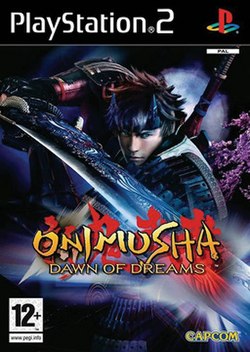
 Onimusha: Dawn of Dreams on PS2
 Tokyo Xanadu eX+ on PS4
 Action Man: Operation Extreme on PlayStation










 Another SquareThought Site