

 Oct 2016
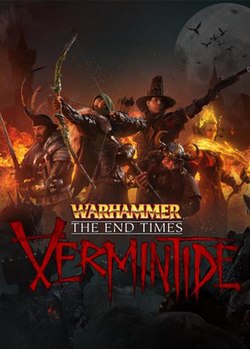

Vermintide on PS4 is the kind of game that wants you to form a ragged little family, then immediately test whether that family knows how to use pointy things together. It's a co-op survival romp set in Warhammer's End Times where five mismatched heroes - a self-righteous Witch Hunter, a by-the-book imperial soldier, a grumpy dwarven ranger, an ethereal wood elf, and a fire-wielding Bright Wizard - are dumped into a city overrun by rat-men and told to improvise. The plot is admirably simple: survive long enough to do something dramatic. That simplicity is a feature rather than a flaw, because Vermintide's emotional heavy lifting comes not from cinematic cutscenes but from how these characters react to the grind, the gore, and each other as levels unfold in real time.
Vermintide is essentially Left 4 Dead with fantasy weapons and a personality disorder, but where it really earns its teeth is through its five heroes and how the game uses them to stitch a story into a horde shooter. The heroes are Victor Saltzpyre (Witch Hunter), Markus Kruber (Empire Soldier), Bardin Goreksson (Dwarf Ranger), Kerillian (Wood Elf Waywatcher) and Sienna Fuegonasus (Bright Wizard). Each one comes with distinct combat leanings - ranged vs melee, firearm vs bow vs magic - but also with a distinct narrative beat. Victor is the preacher with a blade: he brings righteous fury and a one-liner for every foul thing that scuttles across his path. His arc is the quiet motor of suspicion and vengeance; he's the party's moral scold who alternately saves you and berates you for apparently insufficient piety. Markus acts like the professional soldier he is: reliable, occasionally bewildered by elven mutterings, and the sort who tries to keep the group in formation. His arc is about duty - staying alive to keep others alive - and the game rewards that through weapon choices and upgrades that favour disciplined play. Bardin, the dwarf, exists to be offended and to remind everyone that tunnels are his turf. He plays like a short, angry mountain range of sturdiness and comic sorrow; his personal story beats are about stubborn survival and grudges held against the rat-men. Kerillian, the Waywatcher, injects an elven strangeness into the squad. She's aloof and occasionally disdainful, but not without moments of unexpected warmth. The game uses her silence and dry quips to make you appreciate small kindnesses more than any grand monologue. Sienna is the emotional dynamite of the group. She's a Bright Wizard - fire, passion, and the constant threat of burning the inn down - and her arc is the one that flirts most openly with disaster. Her lines and the way the group reacts to her temper make you feel the fragility of balancing raw power and restraint. The narrative payoff, such as it is, hangs on those micro-interactions: Sienna's pragmatic apologies, Victor's tutting, Bardin's muttered curses. Vermintide's strength is that character beats are delivered during action - between a hook rat attack and a boss's stomping - so narrative and gameplay feed each other. That interplay is supported by mechanics that lean into personality. Loot is character-specific, so the thrill of opening a chest is both a mechanical reward and an emotional one: did Kerillian get that perfect arrow, or will she sulk? Experience unlocks weapons and the dice-rolling reward system at the end of runs adds an element of gambling fate that fits the setting - your hero's arc, in a mechanical sense, is progression from underpowered squabble-mate to someone the team would actually trust with the last prayer. At higher difficulties the loot improves, which ties into the narrative theme of sacrifice and risk: if your heroes want to be more than survivors, they must push themselves. Where Vermintide stumbles a bit is in balance and polish. Some maps spike in frustration, and occasionally the artificial intelligence looks like it took a coffee break (or thinks player characters are giant lumps of cheese to be entertained with). The PS4 port carries the same core hooks and the occasional hiccup seen on other platforms: bugs, connectivity gremlins, and moments where the AI feels more zombie-esque than clever. Those problems don't erase the game's heartbeat, though. When the conflict director works, the waves feel cinematic and the heroes' personalities shine: an overzealous Victor rushing ahead invites a reprimand from Markus, Sienna's magic answers a chokehold, and Bardin's stubbornness saves a flank. The result is emergent storytelling - not a crafted trilogy of scenes, but a mill of small moments that add up into an arc you can feel in your controller hand.
Vermintide does a fine job of selling the End Times. The environments breathe Warhammer - choking smoke, slashed banners, and alleys that smell like bad decisions and worse rats - and critics praised the atmosphere and level design for feeling authentically grim. The art direction leans into a grimy medieval palette and a lot of visual storytelling: inn clutter, smashed carts, and the occasional machine-in-progress that whispers of something much worse under the city. Jesper Kyd's soundtrack deserves a shout for giving the game a sound that's equal parts filthy tavern band and industrial horror, which supports character beats especially well. When Kerillian's quiet line is played over a low horn and a distant skaven squeal, it lands. On PS4 the visuals retain most of that punch, but the platform isn't immune to occasional frame-rate dips and texture pop-in on busier scenes. The game's combat animation and weapon effects are satisfying - swings feel weighty and magic has punch - but players sensitive to performance will notice the odd stutter during the most chaotic moments. That said, Vermintide's visual and audio package is more about mood than technical brinksmanship, and on a good night the city of Ubersreik looks and sounds like a place you'd both mourn and burn down.
Vermintide's greatest trick is making you care about characters whose entire canonical arc, on paper, is basically "get through a bunch of levels then vanish into a portal." Fatshark leans into small, persistent details - personality lines, tailored loot, and real-time reactions - to turn five archetypes into a patchwork band that feels like something you'd miss if they were gone. The plot is a cliffhanger and deliberately tidy: they survive, they fight Rasknitt, then get yanked into a portal. The abruptness is annoying if you want tidy resolutions, but it also fuels the emotional investment that the sequel would later cash in on. Play Vermintide on PS4 if you have a regular crew and a fondness for emergent character drama amid slaughter. The game's co-op design, progression system, and distinct heroes are the reasons Vermintide climbed to hundreds of thousands of sales and a loyal community. Expect some balance issues and the occasional technical hiccup, but also expect moments where Sienna's profanity-sparks or Bardin's grumpy wisdom make a terrible run feel like a campfire story you'll retell. It's not flawless, but as a character-driven co-op experience it's one of those rare shooters where the personalities are as lethal as the weapons. Score: 7.3/10 - solid, often thrilling, and best enjoyed with friends who appreciate both teamwork and dramatic arson.
 Exile's End on PS4
 Death end re;Quest 2 on Switch
 Warhammer 40,000: Boltgun 2 on Xbox Series X/S
 PixelJunk Shooter 2 on PS3
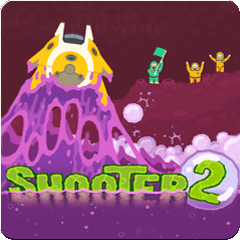 Primal Carnage: Extinction on PS4
 The Walking Dead: Survival Instinct on PS3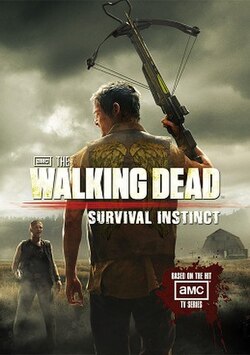
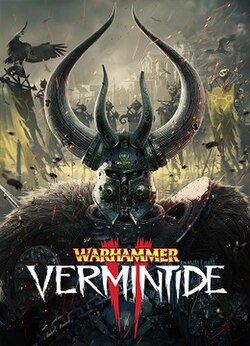 Warhammer 40,000: Darktide on Xbox Series X/S
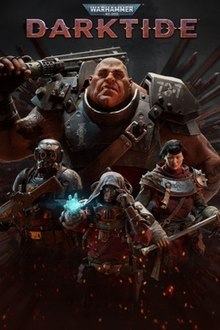 Warhammer 40,000: Darktide on PS5
 Lead and Gold: Gangs of the Wild West on PS3
 Bionic Commando Rearmed 2 on PS3










 Another SquareThought Site