

 Oct 2015
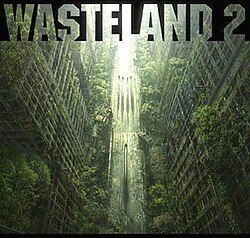

Wasteland 2: Director's Cut on PS4 is the grown-up, slightly bitter cousin of modern RPGs - the one that insists you actually plan, care about ammo, and sometimes make decisions that will haunt your save files and dinner conversations. Built by inXile Entertainment and born from a Kickstarter with more nostalgia than a '90s mixtape, the Director's Cut is the patched, polished and expanded version of the 2014 original. It moves the engine to Unity 5, adds thousands of voice lines, new perks and quirks, and a Precision Strike system that makes targeting an enemy's kneecap feel like a small, moral victory. This isn't the kind of game that holds your hand while it teaches you the basics; it's more like a retired drill sergeant who hands you a toolkit, points vaguely at the apocalypse, and says, 'Figure it out.' If you enjoy turn-based tactical combat, party management, and choices that ripple across a branching narrative (and if your idea of fun includes triaging radiation suits with cat litter), you'll find Wasteland 2's Director's Cut deeply satisfying. If you prefer run-and-gun, flashy real-time combat, this one will test your patience - and your spreadsheet skills.
Wasteland 2 is a turn-based, party-focused RPG that wears its heritage proudly; it feels like a tactical tabletop session with better art and fewer dice. Gameplay is built around semi-overhead exploration with a rotatable camera, and combat is gridless but tactical - positioning matters, cover matters, and every action point you burn should ideally be worth more than the sandwich you skipped that morning. Your squad can have up to seven members: four custom-built Rangers and up to three NPCs with their own motives and personalities. Character creation is deep but merciless. Stats and skills are meaningful in ways that actually change how you play: invest heavily in combat skills and you'll feel like a one-person demolition team; spread your points thinner and you'll be a flexible problem-solver who can hack, charm, or sneak through sticky situations. The Director's Cut adds new perks and quirks that nudge builds away from cookie-cutter choices, encouraging experimental party roles. Combat demands planning. It's turn-based and tactical, but not forgiving. Enemies punish sloppy cover, poor target order, and wasted action points. Precision Strikes introduced in the Director's Cut let you target limbs or armor plates to cripple, stun, or shatter equipment. This ups the skill ceiling: the player who can assess an enemy's threat, then decide between shredding armor or popping a leg to stop a charge, is the one who survives the encounter with eyebrows still intact. The system rewards critical thinking and patience more than twitch reflexes. Resource management is a constant tension. Ammo is finite, repairs cost, and radiation is a creeping hazard in later areas. You'll hunt zeolite and stockpile cat litter like a weirdly practical alchemist because radiation suit upgrades are gated behind those supplies - a mechanic that forces route planning and prioritization. Choosing which towns to save during quests (the infamous Highpool vs Ag Center dilemma) tests your willingness to accept long-term consequences for short-term gains. The game doesn't hand out clean moral outcomes; it hands out trade-offs and then asks you to sleep on them. The Director's Cut isn't just about tougher guns and meaner robots; it reworks encounters and the UI, and adds over 8,000 lines of voice work, which helps the writing land with more personality. Dialogue and choice matter - your choices reshape factions, alliances, and even the final act. That branching quality means the player who keeps notes, follows NPC motivations, and thinks three steps ahead will unlock better outcomes. Conversely, the scattershot explorer who ignores factions and burns every bridge will still have a story, but probably not the one they wanted. Skills beyond combat matter almost as much as in-battle tactics. Diplomacy, repair, lockpicking and perception-type skills let you avoid fights, find alternate solutions, and manipulate encounters to your advantage. The game rewards creativity: sometimes a well-placed conversation check or a simple environmental trick will save you a firefight and conserve precious resources. When fights are unavoidable, tactical awareness - using cover, exploiting enemy weaknesses with Precision Strikes, and managing action economy across your party - is what turns a marginally equipped gang into a functioning death squad. Difficulty curves can be steep. Initial releases had bugs that rubbed salt into wounds, but the Director's Cut irons out many rough edges and rebalances encounters. Expect to die, reload, and learn. The learning loop is deliberate: each loss teaches a tactical lesson, each victory validates a build choice. If you like games that expect you to learn by doing, that reward planning, and that allow you to pilot a crew from ragtag recruits to hardened veterans, Wasteland 2 delivers in spades. On console, the updated UI and controller support are welcome. The rad-suit crafting requirement, the importance of NPC companions with agendas, and the branching missions make Wasteland 2 as much a management puzzle as a combat one. In short: this is a game that asks you to be a strategist, a diplomat, a scavenger, and occasionally a grim executioner. Skills required? Patience, systems thinking, basic arithmetic, and a willingness to accept moral ambiguity.
Graphically, Wasteland 2 is not trying to be a photo-real blockbuster; it aims for practical, readable environments that support tactical gameplay. The Director's Cut upgraded the engine to Unity 5 and gave the game a visual refresh - cleaner effects, sharper UI elements, and a more stable frame rate on consoles. Environmental art shines during exploration, with decaying settlements, irradiated wastelands and deranged factories that read clearly on the battlefield. It's the sort of aesthetic where atmosphere trumps technical showmanship: you'll appreciate sightlines and cover over glossy shaders. The added voice work and redesigned UI do a lot of the heavy lifting on PS4. Hearing characters speak their lines injects personality into encounters, and the interface improvements help make tactical decisions less fiddly with a controller. If you want lip-sync perfection or photoreal faces, look elsewhere. If you want clarity, atmosphere, and visuals that serve the mechanics, Wasteland 2's Director's Cut gets the job done.
Wasteland 2: Director's Cut on PS4 is a challenging, thought-provoking RPG that rewards tactical thinking, careful resource management, and moral deliberation. It's not a pick-up-and-play shooter; it's a slow burn of systems and consequences where every stat point, every perk, and every choice can ripple into later acts. Director's Cut improves the base game in meaningful ways - Precision Strikes give combat extra depth, expanded voice work fleshes out the world, and redesigned encounters and UI make the PS4 experience far more approachable than the original launch. If you're the kind of player who enjoys mapping out strategies on paper, building quirky party synergies, and savouring the satisfaction of a perfectly executed tactical plan, Wasteland 2 will feel like a reward rather than a chore. If you want instant gratification or lightning-fast action, this game will test your patience and your math skills. Either way, it's a smart, sometimes brutal RPG that takes the post-apocalyptic genre and turns it into a tactical brain-burner - and that, for many of us, is exactly the point.
 Raiden V: Director's Cut on Switch
 Sword Art Online Re: Hollow Fragment Director's Cut on PS4
 Combat Elite: WWII Paratroopers on PS2
 Gnosia on Xbox Series X/S
 Predecessor on PS4
 The Banner Saga 2 on PS4
 Wasteland 3 on PS4
 Torment: Tides of Numenera on PS4
 The Bard's Tale IV: Director's Cut on PS4
 Hunted: The Demon's Forge on PS3










 Another SquareThought Site