

 Dec 2025


Turning a long-running TV staple into a console game sounds like the gaming equivalent of microwaving a fancy dinner: it can go great or leave you wondering why the peas are soggy. The PS4 version of Wheel of Fortune mostly lands on the 'great' side by faithfully translating the show's cat-and-mouse dance of letter-guessing, wheel-spinning and tiny tidal waves of panic when someone yells "I'd like to buy a vowel!" This review zooms in on what actually makes the game a challenge - not just the spin of the wheel, but the reflexes, strategic thinking and word-hacking skills you need to beat human opponents (or the AI that occasionally smells like a crossword puzzle come to life). If your dream Saturday night involves out-buzzering strangers and rubbing virtual shoulders with Vanna-level glamour, read on.
If you know Wheel of Fortune the show, you know the skeleton: spin the wheel, guess consonants, buy vowels, and solve the puzzle. The PS4 build sticks to that skeleton and dresses it in console-ready glitter. The core loop (toss-ups, rounds 1-3, the speed-up, and the bonus round) is intact, which is good - the pacing is tight and the designers clearly respected the format: toss-ups reward fast reflexes and pattern recognition, regular rounds reward risk management and letter-probability savvy, and the bonus round is a timed sprint of memory and deduction. Challenge-wise the game operates on multiple axes. First, there's the randomness of the wheel. Wedges range from mid-value amounts to top-round payoffs, and the dreaded Bankrupt wedge looms large. The psychology here is delicious: sometimes you want to spin like a gambler, sometimes you want to treat the wheel like a delicate suggestion. The luck element is real, but it's mitigated by player decisions - choosing whether to spin again after hitting a moderate value, buying vowels, or attempting a solve. Smart play minimizes variance: make the high-probability calls first, then punish risky spins only when your bankroll (or confidence) can take it. Second is letter strategy. The PS4 game rewards players who understand letter frequency and English word structure. Guessing common consonants (T, N, R, S, L) and knowing when to spend $250 on a vowel will decide many mid-level games. The AI opponents are tuned to call sensible letters early, but human opponents will bait you with risky solves and dramatic passes. The Wild Card and Million Dollar Wedge mechanics from the show are included in many modes, which layers in long-term strategy: do you keep the Wild Card for an extra consonant this round or stash it for the bonus round? There's satisfying tension when you must weigh immediate cash vs. future upside. Third, toss-ups and buzzer timing are bona fide skill checks. Toss-ups are a series of single-letter reveals; ring in too early and you whiff, wait too late and the other player slaps the buzzer. On PS4 this translates to split-second controller inputs and reading how the AI or human opponents reveal patterns. The buzzing mechanic keeps games lively and punishes autopilot play - it feels like reflex training disguised as wordplay. The final speed-up round and bonus round are where clock management and composure meet puzzle-smarts. In the speed-up you often have a three-second window to blurt out the whole solution after a revealing letter - no time for poetic pacing here. The bonus round follows the R, S, T, L, N, E tradition: those letters are given, you pick a short roster of additional consonants and a vowel, then you have ten seconds to solve. That means you must mentally simulate an entire word pattern and decide which consonants will unlock the most information. High-pressure thinking is the name of the game: this isn't just recognizing a phrase, it's recognizing a phrase while your pulse does a convincing impression of a drum solo. Variety modes (if present in your PS4 version) spice things up with Mystery Wedges, Express play and Prize Puzzles. Mystery Wedges introduce a press-your-luck mini-game - you flip for a big payday or Bankrupt - which forces a gambler's gut check. The Express wedge is a high-reward, high-risk solo-streak mode: keep calling consonants for big money, but one mistake = Bankrupt. These modes are great for players who like tension that actually means something. Multiplayer on PS4 is where the challenge becomes social. Human opponents bring unpredictability: the friend who always screams a solve without thinking, the one who buys vowels like they own a vowel shop, and the silent strategist who micro-manages. Local pass-and-play and online matchmaking mix quick party vibes with competitive play; ranked matches reward consistent puzzle-solving and buzz control. The PS4 controller maps controls nicely: a single button for spin, another for buzzer, and a clean radial menu for letters - nothing clunky, which is important when three seconds is all your confidence gets. If there's a critique, it's that the game sometimes overweights random wheel outcomes in casual modes, which can frustrate players who want skill to dominate. Also, depending on settings, the AI can swing between delightfully crafty and oddly conservative. But since the PS4 version typically offers adjustable difficulty and rule toggles (number of toss-ups, inclusion of special wedges), you can mold challenge to taste. Overall, the game is a satisfying test of vocabulary, insight, risk tolerance and twitch reflexes - and it rewards players who study common phrases like a minor in pop-culture lexicon.
Graphically the PS4 translation leans into the show's spectacle. The wheel is glossy and imposing, the puzzle board feels tactile (its evolution into a unified video board and lidar-like responsiveness on the show translates into slick touch-and-reveal animations on-screen), and the set lighting pulses like it's auditioning for a nightclub gig that also hands out prize trips. Animations for letter reveals, cash tallies, and Vanna-style flourishes are polished without becoming obnoxious. The musical cues - the classic "Changing Keys" theme and various remixes - are used to excellent effect, selling tension during toss-ups and triumph during solves. If you enjoy being in a very shiny, very game-show-shaped hallway of lights, the PS4 version delivers. Minor nitpick: character models for contestants are serviceable but not head-turning; the game benefits more from its set and UI atmosphere than from hyper-realistic avatars.
Wheel of Fortune on PS4 is not trying to reinvent the wheel (pun absolutely intended); it's trying to recreate the core tension and skill checks that made the TV show comforting and occasionally ruthless. On the challenge front it succeeds: letter-frequency intuition, buzzer timing, risk vs. reward calculus, and the ability to stay calm with the clock breathing down your neck are all tested and improved. It's a great party game, a solid competitive title for puzzle lovers, and a pretty honest simulator of the TV format. If you want a game that rewards trivia-level vocabulary, smart risk management, and quick fingers more than button-mashing muscle, spin this one up. If you're allergic to occasional bad luck or you need your video games to be all about reflexes and none about wordplay, maybe skip it. Score-wise, it's a respectable 7/10: polished, faithful, and genuinely challenging in ways that matter - with just enough randomness to keep you swearing lovingly at your controller between rounds.
PS3.png) The Price Is Right on DS
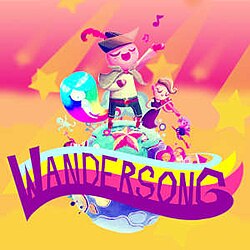
The Price Is Right on DS Wandersong on PS4
 Press Your Luck on PS3
 Trivial Pursuit on PS3
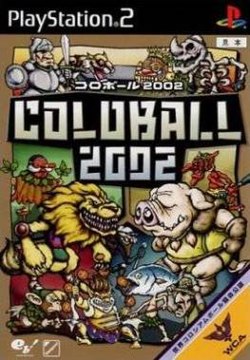
 Coloball 2002 on PS2
 TV Show King on PS3










 Another SquareThought Site