

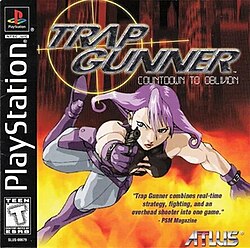

Trap Gunner: Countdown to Oblivion arrives with all the subtlety of a disguised land mine. Marketed as a weird little hybrid of real-time strategy, arcade action and puzzle logic, it somehow manages to make laying explosives feel like both a chess match and a violent gardening hobby. The European release went by Trap Runner, which is less ominous and slightly more polite, but the spirit is the same: you and a friend or an AI run around compact arenas setting invisible traps and trying to make the other person rue the day they ignored that suspiciously empty floor tile. The game was developed by Racdym and published by Atlus (with Konami handling Europe), and if you were shopping for late-90s PlayStation oddities then this was the one reviewers quietly liked. IGN loved it, GameSpot gave it a respectable score, and GameRankings sits in the 'pleasantly surprising' zone at about 71 percent. That's the sort of consensus that translates to 'give it a try at a sleepover if you like backstabbing friends and strategic spite.'
At its core, Trap Gunner is glorified trap placement with a controller. You pick one of several characters, each armed with a unique melee weapon and slightly different stats, then run around enclosed levels placing devices that your opponent can't see. The trick isn't just to plant more traps than the other person, it's to assemble tiny, cruel Rube Goldberg nightmares: mines feed bombs, switch detonators activate remote explosives, force panels push victims into pits or mines, and the gas trap turns an area into a slow, inevitable health leak. The gas has the largest radius of standalone traps and introduces a deliciously passive-aggressive form of area denial; it's the kind of thing a scheming roommate would use to claim the couch as their territory. Traps interact with each other in ways that reward planning. A bomb on its own is a tantrum; a bomb with a remote detonator is a carefully timed scream. Force panels create conveyor-belt misfortune, useful for shepherding an opponent into a mine or straight into a pre-arranged bomb party. Pitfalls stop movement, which is perfect if your strategy is 'immobilize and then mercilessly hammer with a melee weapon.' The control scheme lets you shoot while placing traps, which produces the sublime chaos of being simultaneously offensive and architectural. Characters are adequately distinct without being personality cults. The roster includes Van Raily, John Bishous, Tenrou Ugetsu, Tico, Lou Riche, and Abdol Rerin. If the names sound like they were pulled from an international action figure trade catalog, that is not inaccurate. There are also secret characters - Rem, Dyn, and Erg - which the game obligingly hides behind mysterious unlock conditions, because nothing says 'fun' like figuring out which task will grant you an extra creepy combatant to place traps with. Story mode exists to give your character motives and backstories, which the game unfolds one character at a time. This is mostly gratifying for completionists and people who enjoy learning why a fictional person decided that their life goal would be setting exploding floor devices. The campaign is serviceable but intentionally thin; Trap Gunner's real meat is multiplayer. Two-player bouts are where the design sings, as human unpredictability exposes all the elegant and ugly intersections of trap types. Single-player skirmishes against the AI hold up well enough, but the AI is best thought of as an efficient practice dummy rather than a cunning adversary. Match pacing is brisk. Levels are compact, so rounds finish before anyone has time to regret their life choices. There is an almost surgical joy to baiting opponents into apparently safe corridors and watching your layered traps do the work. The depth comes from combinations and counterplay rather than a long skill tree. If you like learning a handful of cruel setups and refining them, this scratches that itch. If you prefer unlocking 900 ironic hats while grinding for stats, Trap Gunner might feel like a party that started without your invitation.
Graphically, Trap Gunner looks like a PlayStation game that remembered it was supposed to be charming. Sprites and textures are competent for the era: colorful arenas, reasonably readable characters, and enough visual clarity that you can see the aftermath of your engineering choices without squinting. GamePro gave the graphics a solid thumbs-up back in the day, and that feels fair. The camera and some stage geometry can be a touch awkward, especially when the action bunches up and the game has to decide which angle to present your impending doom from. Nothing breaks the game, but occasionally you'll find yourself frustrated that a tiny ledge is blocking the perfect trap placement because the camera gods are in a mood. Sound and presentation are similarly utilitarian. Effects are punchy when explosions happen, and the music does its job without demanding to be on a retro mixtape. The visuals are not trying to be photorealistic; they're trying to make sure you understand where to put a mine and whether the victim is owning angles or being owned by them. On that metric the game succeeds. IGN's enthusiasm for the title rings true: the aesthetic choices support the gameplay rather than distracting from it, which is the higher compliment for a multiplayer-focused experience.
If you want a game that rewards scheming, timing and a taste for petty victory, Trap Gunner delivers. Its fusion of strategy and action is simple to learn and satisfyingly deep to master; the toolbox of traps allows for some genuinely creative combos without becoming a spreadsheet. The single-player campaign exists and will tell you why each character is morally justified in laying explosives, but the real reason to play is competitive skirmishes with another human who will inevitably betray your trust by stepping on a mine you forgot to remove. Weaknesses are predictable: the visuals show their age, the AI isn't a master tactician, and the game's scope is intentionally limited. If you accept those limitations, you get a compact, laughably mean multiplayer game that feels like a late-night competitive snack. Critics mostly agreed: Trap Gunner scored solidly in the 70s at aggregators, with outlets ranging from lukewarm to outright pleased. It's not the most famous PlayStation title, but it earns the label 'sleeper hit' from reviewers who enjoy watching friends plot their own spectacular demise. Verdict: buy it for the multiplayer, keep it if you enjoy laying traps and watching them work. If you are the kind of person who prefers strategy that includes explosives and a hint of malice, you will have a very good time. If you prefer grand narratives or deeply simulated economies, this is probably not for you. Either way, the game understands its single purpose and executes it with dry efficiency - like a butler who also happens to own a minefield.
 Deep Rock Galactic: Survivor on Xbox Series X/S
 Tom and Jerry in House Trap on PlayStation
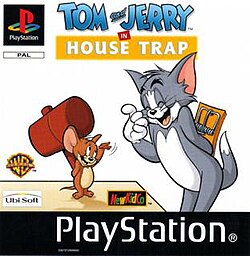 Onimusha: Dawn of Dreams on PS2
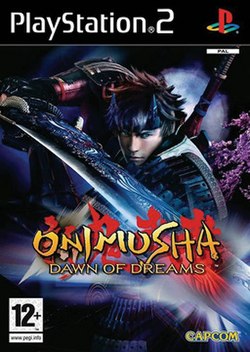 Puzzle by Nikoli 4: on PS4
 Puzzle Quest 2 on DS
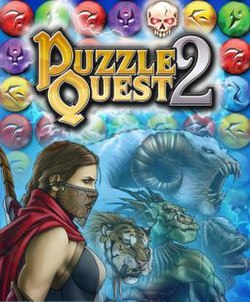 Twinbee Taisen Puzzle Dama on PlayStation
 Critical Blow on PlayStation
 Heaven's Gate on PlayStation












 Another SquareThought Site