



Ultimate Brain Games on PlayStation is the sort of product that confidently refuses to be flashy. It is a tidy little collection of classic tabletop and logic games - Chess, Checkers, Backgammon, Dominoes, Reversi, Battleship (branded as Sink Ships), Connect Four (Four-in-a-row) and Shanghai (a version of Mahjong solitaire) - wrapped in a menu system that behaves like it was raised on minimalism. Developed by Cosmigo and put out by Telegames, the title doesn't promise to reinvent any wheels, and does not attempt to sell you neon. It instead offers eight familiar mental workouts and hands you a controller to prove you still remember what thinking feels like. The PlayStation release followed the Game Boy Advance version earlier that year, and while IGN praised the GBA release as "a great assortment of little games" and gave it an 8.5/10, the PlayStation iteration mostly plays the same role: reliable, sober, and slightly smug about its lack of fanfare.
The core appeal of Ultimate Brain Games is simplicity: pick a game, pick an opponent (AI or human), and proceed to either humiliate a friend or doubt your life choices against the computer. There are single-player and multiplayer modes, so you can either develop a grudging respect for the CPU or use the same disc to make someone you like cry gently over a game of Backgammon. Each included game behaves like the board-game originals, which is both comforting and unforgiving. Chess comes complete with the familiar 8x8 grid and rule set; if you're hoping for a novel variant like three-dimensional chess or chess with sentient rooks, this is not your stop. Checkers is straightforward and unambitious; it does what checkers do, which is to reduce strategic thinking to a delightful sequence of diagonal betrayals. Backgammon and Dominoes are serviceable, offering the tactile satisfaction of pips and dice without the need for actual pieces. The lighter fare - Connect Four and Battleship - are perfect for quick pick-up sessions. Battleship is presented under the slightly more dramatic name "Sink Ships," which is the kind of rebranding that tells you the game is aware of its own dramatic potential. Shuffle into Shanghai (Mahjong solitaire) when you want to stare at tiles until you either solve the puzzle or accept that the universe is indifferent to your matching abilities. Multiplayer is local only on PlayStation, which means passing the controller and experiencing the very social act of handing someone the means to lord over you. The AI is not exhaustively documented in promotional material, and the manual conserves its adjectives, but the machines provide a respectable challenge in several disciplines. If you're using the collection to learn a game, the lack of overly aggressive AI in some events is actually a blessing; it lets you make mistakes in peace. If you prefer your digital opponents to be relentless and unforgiving, you may sometimes find the CPU content to be merely competent rather than terrifyingly brilliant. Menus and navigation are direct. The whole package feels like a well-organized school desk drawer: everything has its place, nothing is glittering, and when you open it you find exactly the set of tools you expected. There are no campaigns, no unlockables that pretend to be character development, and no attempts at story - unless you count the brief existential narrative of losing a game to your cousin in front of the television. The game sticks to the timeless formula: put game against game, compare wits, and remember to breathe.
On PlayStation, Ultimate Brain Games does not concern itself with photorealism or dramatic lighting. Presentation is utilitarian: clear boards, readable pieces, and interfaces that prioritize function over flash. This is a menu-driven compilation where legibility is the point. Pieces and tiles are rendered in uncomplicated 2D or flat sprites, with occasional texture or shading that suggests effort without screaming for attention. The UI tries to be tasteful and succeeds largely by not interrupting your play. Backgrounds are discreet; sound effects are polite; the visual language is somewhere between "instruction manual" and "public library brochure." If you are hoping for cinematic camera angles, animated victory fanfares that could wake the neighbors, or a soundtrack that rivals mid-2000s pop, you will be disappointed. If you want to read the board, find your piece, and execute a crushing move without bright lights tricking you into a misclick, the presentation is refreshingly competent. Graphical fidelity is not the selling point, and the game wears that truth like an old sweater: comfortable and entirely unpretentious. That said, the clarity helps; pieces contrast well with boards, and menus are straightforward. On a CRT or older LCD, everything remains readable, which is the single most important aspect for a collection of brain games. The visual aesthetic seems designed to ensure nothing gets in the way of thinking, which is probably what the developers intended.
Ultimate Brain Games on PlayStation is a modest anthology that knows exactly what it is: a collection of tabletop classics repurposed for the living room couch. It's not trying to be edgy or trendy; it is the kind of game that would prefer to be judged on how well it handles checkers rather than how cool its intro cinematic is. The selection of eight games covers enough ground to suit both casual players and those who like to spend an afternoon re-learning the rules of Backgammon while swearing gently at the dice. If the IGN praise and GBA nomination for strategy game of the year are any indicators, the formula works, especially if you prioritize substance and straightforward gameplay over flash. On PlayStation, the package is sensible and functional, with local multiplayer offering social punishment in measured doses. For anyone who wants a reliable set of mental diversions - no subscription required, no microtransactions - Ultimate Brain Games does the job with quiet dignity. Score: 7.5/10. It doesn't light the world on fire, but it will gently scorch your pride when a friend cleans your clock at Connect Four.
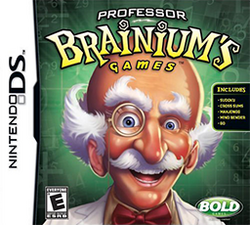
 Professor Brainium's Games on DS
 Nintendo Switch
 Puzzle by Nikoli 4: on PS4
 Twinbee Taisen Puzzle Dama on PlayStation
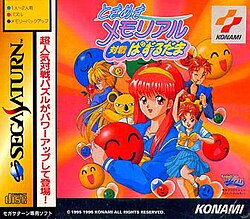
 Tokimeki Memorial: Taisen Puzzle-Dama on PlayStation
 Professor Layton and the Last Specter on DS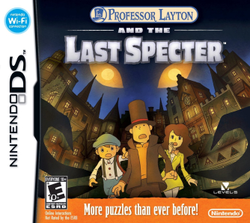












 Another SquareThought Site