



Some licensed games are made to cash in. Some are made to confuse you, and some are made because somebody in the marketing meeting loved a giant, squeaky-clean alien who transforms with a toothbrush. Ultraman Zearth for PlayStation, based on the mid-90s parody of the original Ultraman, lands squarely in the 'delightfully odd' category. The source material is gloriously self-aware: Zearth is a hygiene-obsessed Ultraman from the Land of Pikari who hates dirt, transforms with the Pikari Brusher electric toothbrush, and dreams of scrubbing pollution off planet Earth. The game borrows that absurd charm and wraps it in a fairly standard action package, letting you punch, kick, and speciu-shula-ray your way through monsters, meddling aliens, and more cameos than you can shake a beta capsule at.
If you loved Saturday-morning kaiju squashing as a kid and also had an unreasonable fascination with personal hygiene, this game's premise is a match made in the Land of Pikari. You play as Katsuto Asahi in his human moments and as Ultraman Zearth in the big suit brawls. The transformation mechanic is a cheeky highlight - your Pikari Brusher is basically a power-up item. Pull it out, and the game transitions into giant-monster combat. It mirrors the movie's gag perfectly: the hero who hates dirt uses a toothbrush to become a 60-meter tall do-gooder. Combat is the bread-and-butter. The move list reads like a vending-machine catalog of wrestler-friendly techniques: Zearth Kick, Super Zearth Kick, Ultra Heel Drop, Zearth Machine Gun Kick, Zearth Knee Kick, and the obligatory Zearth K.O. Punch. The finishing moves, dubbed Speciu-Shula Ray and Cross Speciu-Shula Ray, act as your screen-clearing trump cards. They feel appropriately dramatic on impact - one-hit monster pop if you time them right, but the game warns you that hitting a high-energy target like Cotten-Poppe might cause explosive consequences, which is a very on-brand nod to the movie's logic. The developers clearly tried to lean into the film's lore. MYDO, the globe-spanning defense org that secretly operates out of a gas station, supplies you with support; expect mecha assists such as Sky Fish fighters, weapon drops that read like a Tokusatsu shopping list, and the occasional Sky Shark appearance to change the battlefield dynamic. Capsule monsters like Miraclon show up as special summonable allies or one-off puzzle keys depending on the level. The boss roster pulls directly from the films: Alien Benzen and his gold-absorbing monster Cotten-Poppe make for entertaining set pieces, and Ultraman Shadow from the sequel plays the role of an anti-Zearth rival whose Shadolium Ray and mind-control shenanigans force you to change tactics. Stage design favors the cinematic. Levels alternate between urban brawls where you must avoid wrecking too much of Tokyo (you do, obviously) and more whimsical encounters where gameplay mechanics take a back seat to spectacle. There are side objectives related to cleanup and environmental protection, which is a clever tie-in to Zearth's mission to clean the polluted Earth. These missions usually reward upgrades such as longer Speciu-Shula charge, a beefed-up Super Kick, or larger capsule-monster meter. The game's difficulty curve is old-school. Early fights teach you combos and timing, and later boss battles expect you to manage crowd control, dodge Shadow's Color Timer-targeting attacks, and avoid feeding too much energy into monsters like Cotten-Poppe. There are limited lives or continues depending on the mode you select; resource management is a small but satisfying part of the experience. For fans of property-laden brawlers, the fidelity to source material and the little details - Midori the green supercomputer nagging you through mission briefings, cameos from classic Ultraman cast members in FMV or voiced lines - make the game feel like a love letter rather than a cynical cash grab.
Visually this is a PlayStation-era product and wears that era with pride. Expect chunky polygons, glorified suitmation models, and the occasional pre-rendered backdrop. Zearth himself is appropriately oversized and solid; his big red face and shiny suit translate well into low-poly glory. The monster designs are faithful to their movie equivalents: Cotten-Poppe's gold-absorbing aesthetic, Ultraman Shadow's sinister black-and-yellow palette, and the goofy charm of Digital Kanegon all make it into the game with personality. FMV cutscenes and stills borrow directly from the films in places, lending authenticity and more than a little nostalgia if you watched the 1996 and 1997 movies. The camera during fights is sometimes stubborn, which is a sadly common quirk of the era's 3D brawlers; it can clip into buildings or swing to odd angles during big explosions. Lighting is simple but serviceable, and the palette leans bright - because if you are a superhero obsessed with cleanliness, the world should at least look sparkling in tone, even if the polygons say otherwise. If you come in expecting modern crispness, you'll be disappointed. If you come in expecting PS1 charm, you'll probably grin while squinting.
Ultraman Zearth on PlayStation is exactly the kind of oddball tie-in that earns a warm place in niche collections. It doesn't reinvent beat 'em ups, nor does it pretend to be a technical showcase, but it captures the spirit of its source: goofy, self-aware, and oddly wholesome. The game's strengths are fidelity to the quirky movie lore, a satisfying roster of moves and finishers, and a sense that the devs genuinely wanted to bring Zearth's soapbox crusade against dirt to life. The weaknesses are what you'd expect from a late-90s licensed title - rough camera, PS1-era graphics, and a difficulty curve that can be tetchy. For fans of Ultraman, tokusatsu, or anyone who enjoys a heroic toothbrush as a transformation device, this is a charming relic. It plays like a museum exhibit you can punch enemies in the face with. For everyone else, it still offers a few hours of silly fun and the kind of nostalgic glow that comes from watching a giant alien try to scrub pollution off the planet between spinning kicks. It's not flawless, but it's wholehearted, and sometimes that's the best reason to play something. Score: 7 out of 10.
 Ultraman Tiga & Ultraman Dyna: New Generations on PlayStation
 Ultraman Cosmos on PlayStation
 Disney's Chicken Little: Ace in Action on PS2
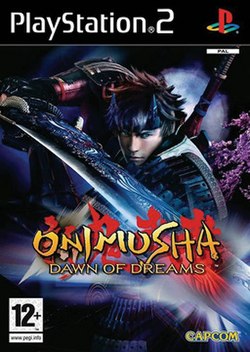
 Onimusha: Dawn of Dreams on PS2
 Action Man: Operation Extreme on PlayStation
 Vividred Operation: Hyper Intimate Power on PS3












 Another SquareThought Site