

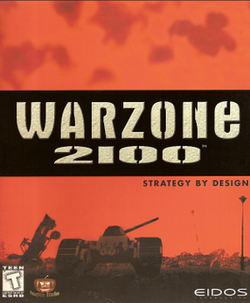

Warzone 2100 on PlayStation is the kind of game that quietly assumes you understand the difference between "strategy" and "screaming into the void while your artillery runs out of ammo." It arrives from Pumpkin Studios as an ambitious, slightly awkward transplant of a PC real-time‑strategy hybrid onto a console that mostly expected button‑mashing and platforming. The premise is pleasingly dour: a post‑apocalyptic future where a defence system malfunctioned, civilization crumbled, and a man named Dr. Reed decided becoming a sentient virus was a reasonable career move. You play for "The Project," a band of survivors who collect pre‑war technology, build weird tanks, and politely disagree with a self‑aware computer called Nexus. The PlayStation edition earns a small round of applause for bringing a proper RTS to a platform that wasn't exactly begging for one. It suffers, in return, the indignity of being both ambitious and occasionally clumsy. If you enjoy making bespoke death machines from chassis, drives and turret junk, or like the idea of artillery being a personality trait, this version does the job. If you expect console‑grade pick‑up‑and‑play ergonomics, it politely suggests you install patience and a manual into your memory card.
Warzone 2100's campaign reads like a modestly aggressive survival plan: split into Alpha, Beta and Gamma teams, the Project sends you to scavenge artifacts and punch people who are decidedly bad for society. The plot escalates from scavenger dust‑ups to the revelation that multiple rival factions are puppets of Nexus, who, yes, had a terrible Thursday and decided to launch nuclear missiles for fun. The writing never tries to be Shakespeare; it prefers to be efficient. The mission structure is unusual for its time: you get a persistent world where earlier bases stay on the map, and some missions are timed while others let you hoard a little power. This keeps you moving, and prevents the rare but sublime joy of "turtling" from becoming a winning strategy - which is both merciful and mildly traumatic if you like building inscrutable walls. Units are the game's proud children. Instead of unlocking fixed units you get to assemble them from chassis, drive systems and mounted objects. Want a fast wheels‑based scout with a mortar? Fine. Prefer a lumbering tracked death bus with twin cannons? Also fine. This create‑a‑unit system encourages experimentation and a tiny, morally ambiguous level of engineering pride when your Frankenstein vehicle works. Units also gain experience and titles like Rookie, Trained and Professional, which means your favorite tank can one day stop being pathetic and start being decisive. Sensors and radar are treated like real tactical toys rather than menu options. Counter‑battery sensors will sniff out enemy artillery by tracking projectiles through the air, allowing you to target the source - a satisfying bit of systemic gameplay that makes artillery duels more than a spray of random explosions. VTOL sensors coordinate airstrikes. If you've ever wanted your reconnaissance to feel like a competent colleague, this is the part that does that job. There is, however, a peculiarity: the tech tree is conspicuously absent from in‑game view. Technology progression exists and is consistent, but the game often refuses to hold your hand about what comes next. You acquire tech by researching artifact fragments salvaged from enemy ruins or captured hardware, and then you get incremental research improvements. It is charmingly old‑school in that it trusts you to explore and experiment. It is frustratingly old‑school in that it trusts you to do so without a breadcrumb trail. The PlayStation port keeps nearly all of the PC original's systems. That is both a blessing and a problem. On the plus side, you still get the full fat of the game's features: base building, artillery‑heavy assaults, Away missions that limit your deployed units, and a persistent campaign map. On the downside, the interface is essentially a PC interface wrestled onto a DualShock. Using a controller to micromanage chassis, weapon mounts and unit groups is like trying to thread a needle with boxing gloves. Reviewers at the time noticed this; so will you, unless you bring stubbornness and a lot of patience. Saving during missions is another peculiarity the PlayStation version keeps: in some builds you can't save mid‑mission, which makes timed levels and mistakes feel terminal in a way that could be described as "dramatic" or "needlessly cruel."
For a late‑90s title, Warzone 2100's 3D engine is respectable. The iViS 3D engine models terrain with a grid that makes vehicles tilt over hills and projectiles respect mountains. The camera can zoom, rotate and pan, which is vital because sometimes the best view of a battle is 'overwhelmingly chaotic.' The environments have variety, and there's a night‑and‑day cycle that attempts to remind you that the apocalypse has mood lighting. That said, the PlayStation's visuals are a mixed bag. Compared to the PC, textures are softer and details are fuzzier - not a surprise on aging hardware - so close‑ups can look like a watercolor painting the artist painted while wearing oven mitts. Audio is similarly utilitarian. The soundtrack and effects do their job without being memorable; they are the sort of background hum that politely refuses to upstage the action. For many players, the visuals and audio are perfectly adequate, especially given the depth of the underlying systems. For others, especially those who expected console polish, the result reads as "serviceable but not showy."
Warzone 2100 on PlayStation is an odd and earnest item: a deep RTS transplanted to a console that was not designed for such fiddly love. It delivers a lot of the strategic meat - unit customization, sensible sensors, artillery focus, a persistent world and a satisfyingly grim campaign - but it asks you to accept compromises in interface, presentation and convenience. Critics at the time were split between admiring the ambition and sighing over the execution; contemporary players who enjoy system‑driven strategy and can tolerate a PC interface with a controller will find plenty to like. If you're the kind of person who enjoys tweaking a chassis until it punches above its mass class, or savoring the moment your counter‑battery sensor pinpoints the enemy's artillery like a bitter ex at a party, this version will reward you. If you want immediate, controller‑friendly thrills and the ability to save mid‑catastrophe, you may prefer the PC edition or a more modern port. Ultimately, Warzone 2100 on PlayStation stands as a made‑of‑good‑ideas piece of gaming archaeology: flawed, occasionally clumsy, but stubbornly, satisfyingly strategic. It deserves a place on your memory card next to games that make you think - and occasionally curse - in equal measure.
 Call of Duty: Warzone 2.0 on PS5
 Call of Duty: Warzone 2.0 on PS4
 Nobunaga's Ambition: Iron Triangle on PS2
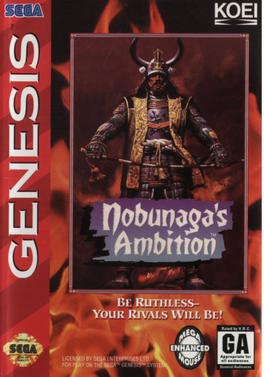 Time Commando on PlayStation
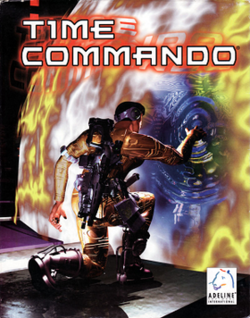 Time Crisis on PlayStation
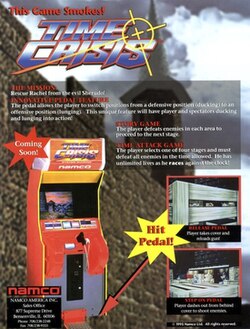 Prince of Persia: The Sands of Time Remake on PS4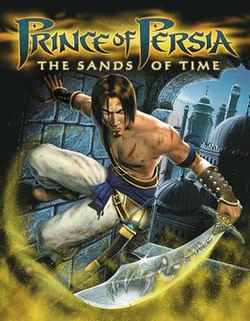












 Another SquareThought Site