



There is a peculiar comfort in visiting an established franchise. The blue-and-red box art stares back at you with the calm confidence of an old television rerun: you know roughly what you're getting, and you take a small, guilty pleasure in knowing it will not surprise you. Power Rangers Samurai for the Nintendo DS is precisely that kind of product - a licensed handheld tie-in in an unbroken line that stretches back to cartridge-era tie-ins like Mighty Morphin Power Rangers in 1994. This review is not here to claim the game as revolutionary; rather, it will determine whether the DS entry behaves like a competent guest star or a badly written extra. As a 1990s-style critic - the sort who cut their teeth with paper magazines, preview kiosks and the clack of an editor's red pencil - I approach licensed games with a blend of skepticism and historical curiosity. Bandai (publisher) and Bandai Namco (credited developer) offer a mainstream product tailored to fans and younger players. The handheld format demands compromises, of course: smaller screen, limited audio fidelity, and the persistent threat of design that privileges marketing over gameplay. The question, then, is whether Samurai manages those compromises gracefully, and whether the DS retains enough of the morphed spectacle to justify a slot on a shelf crowded with nostalgia and impulse purchases.
Power Rangers Samurai is, in spirit, a compact action title dressed in the franchise's familiar tropes. The game sits in the tradition of licensed handhelds: bite-sized missions, easily grasped mechanics, and an emphasis on recognizable characters and spectacle rather than mechanical depth. On the DS, that generally translates to short bouts, a steady stream of enemies, and the sort of pedagogical difficulty curve that assumes a mixed audience of children and adults who will be mercifully patient. The core loop is serviceable: choose a Ranger, tackle a mission, dispatch waves of Foot Soldiers and minor villains, and then confront a larger threat that typically requires an over-the-top solution. The handheld format encourages this pattern - small fights lead into larger encounters - and Samurai adopts it without fuss. For a younger player or a fan of the TV show, there is pleasure in toggling between Rangers, performing signature moves and seeing the rhythms of transformation and teamwork rendered as pixel art and quick animations. For the habitual gamer, however, the loop begins to show its seams fairly quickly. Balancing simplicity with variety is the eternal struggle for licensed games, and Samurai walks that tightrope with mixed success. Mission objectives never require you to stretch beyond a handful of tasks: clear the screen, fetch an item, or survive a timed gauntlet. At first, this keeps things brisk and forgiving; later, repetition can sour the appeal. The game does make an effort with unlocks and progression - the namesake Samurai team is presented in roster form, with the promise of swapping loadouts and abilities - but the depth of any given Ranger's skill tree is modest. That suits the intended audience, but it left this reviewer longing for the sort of character-specific playstyles that made some 16-bit beat 'em ups endure. The DS is an odd beast for a Power Rangers title. Where home consoles can sell the spectacle with big-screen Megazord clashes and cinematic transformations, a handheld must suggest that scale. Samurai attempts to mimic the television show's rhythm: quick skirmishes that escalate into larger foes, and then the inevitable crescendo where the monster grows and the Rangers call in a bigger solution. The transition is narrative shorthand rather than mechanical fireworks on the DS - a tasteful nod, not a pyrotechnic display. Controls are straightforward, with the usual trade-offs. The action is comfortable with a D-pad and face buttons; the touchscreen is used sparingly, mostly for menu navigation and cinematic interludes. This conservative use of the DS's second screen will disappoint the gadget-curious who bought the system for stylus novelty, but it keeps the game's responsiveness intact. There are moments when the camera and enemy placement make encounters feel fiddly: cheap hits from off-screen attackers and cramped level design do show the limits of handheld level layouts. These are not fatal flaws, but in a game that rarely surprises, the small mechanical frustrations are noticeable. The game's difficulty curve favors younger players. Checkpoints are forgiving, health replenishments appear with reasonable frequency, and boss battles, while occasionally drawn out, rarely punish with one-hit deaths or obtuse mechanics. For parents seeking a game their children can play without a manual, Samurai does the job. For seasoned players seeking nuance and challenge, the experience is competent but not revelatory. If I may sound the old magazine rubric: Samurai is earnest in its aim and competent in execution. It is not a creative triumph, nor is it a travesty. It is tie-in design at mid-range quality - polished enough to avoid being embarrassing, modest enough to avoid feeling like a full-priced, fully-realized experience.
Judged by the standards of handheld visuals in 2011, Power Rangers Samurai on the DS is workmanlike. The sprites are clear, the colors are bright, and the visual language leans heavily on the show's iconography: helmets gleam, weapons have cartoonish snap, and the monstrous designs are instantly recognizable to viewers. Where the DS falls short compared to its Wii counterpart is in scale and flourish. Screen real estate is precious on the DS, and the developers make economical choices: fewer frames of animation, simpler backgrounds, and an emphasis on readable combat over flourish. There is, however, a certain charm to the presentation. The art direction uses the Rangers' color palette to keep the action legible; player attacks pop against often-busy enemy swarms. Special moves are accompanied by brief, punchy animations that feel satisfying if not lavish. Cutscenes tend to be static or lightly animated, relying on dialogue captions and dramatic camera cuts rather than theatrical voicework or long movie sequences. Audio design on the DS is similarly restrained: jingles and sound effects do their job, theme motifs make a cameo, and voice samples - if present - are sparse and utilitarian. Comparisons to earlier franchise entries - a bit of nostalgia for the 1994 cartridge era - are instructive. Samurai trades the chunky, lo-fi charm of early 16-bit efforts for a cleaner, more modern polish. The trade-off is that the DS version never attains the emotive punch of higher-budget console efforts. It is a portable snapshot of the series' aesthetic, efficient and tidy but not lavish. That said, the visual fidelity surpasses what many licensed handhelds achieved in the '90s, and for players who remember the old days of coarse palettes and limited animation, Samurai's spritework will feel like respectful stewardship rather than sacrilege.
In the lifecycle of licensed games, Power Rangers Samurai for the Nintendo DS is a textbook example of the competent mid-tier tie-in. It neither reinvents the franchise nor disgraces it. Bandai Namco and Bandai offered a product that delivers what promotional materials promise: a portable dose of morphin' action, clear presentation, and a forgiving difficulty curve suited to younger players and casual fans. Serious players and franchise purists will find plenty to grumble about: repetitive mission design, conservative use of the DS's unique hardware, and a lack of mechanical depth that keeps the game from achieving greatness. Fans of the television property, parents looking for a child-friendly adventure, or collectors who value every entry in the franchise's long history will get what they expect and likely enjoy it. Scoring in this space is always a negotiation between intention and realization. Samurai's intentions are modest and largely fulfilled. It is pleasant, unambitious, and reliable. For those reasons, I give Power Rangers Samurai on Nintendo DS a 6 out of 10. It is not a must-own, but it is not a cautionary tale either - more a competent episode in a long-running series, the sort you watch with a bowl of cereal and a nostalgic smile. Final verdict: pick it up if you want a tidy, portable dose of Power Rangers and a reminder that not every licensed game needs to be an odious cash-grab. This one aims to entertain, and most of the time it does.
 Power Gig: Rise of the SixString on PS3
 Power Pro Kun Pocket 14 on DS
 Power Pro Kun Pocket 10 on DS
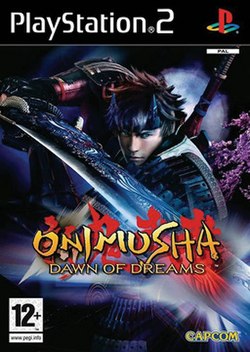
 Onimusha: Dawn of Dreams on PS2
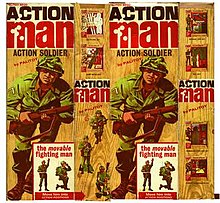
 Action Man: Operation Extreme on PlayStation
 Door Kickers: Action Squad on Switch
 Combat Elite: WWII Paratroopers on PS2
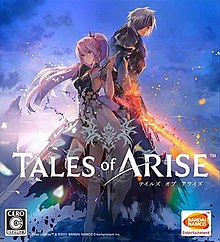
 Tales of Arise on Xbox Series X/S
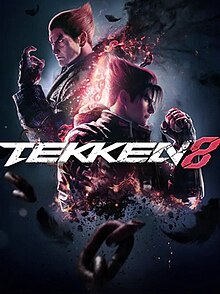
 Tekken 8 on PS5
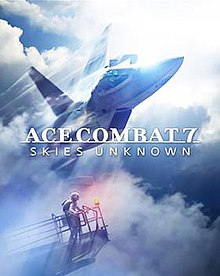
 Ace Combat 7: Skies Unknown Deluxe Edition on Switch
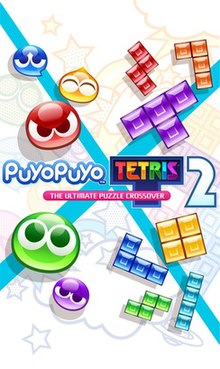
 Puyo Puyo Tetris 2 on Xbox Series X/S
 Tekken 8 on Xbox Series X/S












 Another SquareThought Site