

 Jul 2026


Blue Reflection Ray lands on the Switch as part of the Blue Reflection Quartet bundle, a digital-only package that adapts the anime spin-off into a playable JRPG experience. Developed by Gust and published by Koei Tecmo, the game leans hard on its anime roots: pastel-blue aesthetics, a cast introduced in the Blue Reflection Ray series, and an atmosphere that trades muscle for mood. If you came expecting an action-heavy thrill ride, prepare to be reminded that this is a Gust-flavored role-player - the thrills here are tactical and emotional. The next few paragraphs focus on what actually makes the game bite (or not): the design choices that create challenge, and the player skills that matter. In short, if you like thinking three moves ahead and juggling social pressures with cooldown timers, you'll have a good time. If you're allergic to micro-management or long, strategic encounters, pack a patience pill.
The first thing to understand is what Blue Reflection Ray asks of you: it's not merely about pressing the prettiest button until the enemy collapses. The game blends party-based combat with resource and relationship management, and the difficulty curve nudges you toward systems mastery rather than brute force. Battles are structured around team synergy - buffs, debuffs, and positional exchanges matter - and the enemy design is built to punish complacency. Minor fights are training ground; bosses are math problems with teeth. You will be juggling several resources at once: HP and SP (or whatever the magical energy meter is), limited-use consumables, ability cooldowns, and the all-important affinity or relationship meter that unlocks character skills. What makes the challenge tick is the interplay between short-term tactical choices and long-term progression. Encounters frequently force you into trade-offs: do you use a rare burst heal now and limp forward hoping enemies don't stagger your formation, or do you conserve and lean on defensive buffs to eke out stamina? Several boss fights introduce mechanics that punish repetition - phases that change attack patterns, enemies that swap resistances mid-fight, or threats that target the most emotionally fragile party member (the game leans into its emotional-transformation themes). Reading tells and memorizing phase patterns is crucial. Expect to die to a few bosses until you learn the rhythm, at which point the victory tastes like sugar and salt because you earned it. Beyond raw battle chops, Blue Reflection Ray makes the social side meaningful to challenge. Time and attention are finite commodities: spending the school day or free time to deepen bonds with teammates pays dividends in combat, but that means ignoring other short-term benefits like gear upgrades or exploration. Mastery requires time-management skills and prioritization. The game quietly trains you to think like a knapsack optimizer - every choice shifts future options. If you want to min-max, you'll be allocating attention like it's currency, plotting out who to hang out with and when to farm resources. Those who enjoy long-term planning will savor the meta-game; those who prefer reactive, immediate rewards might feel ground down. Tactical flexibility matters almost as much as planning. The game throws curveballs - enemy formations that punish single-target builds, debuffs that invert your usual strategy, or environmental hazards that change the meaning of a defense skill. Being able to pivot mid-battle, swap characters, and adjust support skills is how you climb out of tight spots. There's also a noticeable premium on preparation: scouting, building a balanced kit (healer, buffer, debuffer, damage), and keeping an eye on equipment synergies. The learning loop rewards players who read tooltips, track cooldowns, and treat each party member as a role to be honed rather than wallpaper. Mechanically, a few elements raise the difficulty ceiling in a satisfying way. Limited resources make every encounter feel consequential. Affinity-based abilities that only unlock after certain plot or social beats mean you can't brute-force every fight early. Optional content and challenge arenas exist for players who crave more demanding fare, and they serve as excellent tests of mastery. The Switch port's smaller screen size ironically helps focus attention: when you can't rely on seeing every shimmer of particle effects, you're forced to listen to audio cues and read attack patterns, which is where the game's design really rewards skill. What the game doesn't try to be is punishingly opaque. While difficulty is real, roadblocks are usually fair: the game telegraphs big attacks, companion AI is competent if imperfect, and the progression curve is forgiving enough that you can grind for gear without feeling insulted. The biggest challenge is maintaining mental stamina for longer boss encounters; this is a game that rewards patience and analysis over twitch reflexes. Skill checklist for success: strategic planning (think several turns ahead), resource conservation, pattern recognition (boss phase memorization), time management (balancing social and combat progression), party optimization (build synergy and role coverage), and adaptability (pivoting when enemies break your plan). For perfectionists, micro-managing equipment and scouting optional content will also be part of the ritual.
The visual package wears the anime roots on its sleeve. Character designs are adaptations of Mel Kishida's originals, and the series' J.C.Staff pedigree bleeds into the game through art direction and cutscene framing. On Switch, the art style is the star: soft palettes, lots of blues and pastel lighting, and expressive character portraits that sell the emotional beats better than any textbook could. Combat animations are serviceable and occasionally delightful, with special moves getting cinematic treatment that's faithful to the anime's tone. The downside is that the Switch version naturally has to scale textures and effects compared to higher-end consoles, so particle-heavy extravaganzas look cleaner on docked mode and somewhat muted in handheld. Performance is steady enough that it won't impair gameplay, but don't expect silky PS5-level fidelity. Audio complements the visuals well. The game draws on the anime's themes and atmosphere: sweeping, melancholic motifs underscored by more upbeat battle cues. If you're the type who enjoys a good opening tune, the anime's singers (EXiNA, Eir Aoi) set a mood that the game echoes through its soundtrack. Voice work in major scenes adds weight to the social-sim beats, and the Switch's speakers do an admirable job conveying intonation when headphones aren't an option.
Blue Reflection Ray on Switch is a thoughtful JRPG that prizes systems mastery, planning, and emotional investment over button-mashing bravado. The challenge is deliberate: combat forces you to juggle resources, read patterns, and optimize party composition, while the social and time-management layers add a satisfying meta-level of decision-making. It's a game for players who like chess-lite fights with pretty faces and heartfelt conversations, not for those who want instant gratification and zero bookkeeping. The Switch port softens visual flash a touch but keeps the strategic meat intact, making handheld sessions a perfectly viable way to learn enemy rhythms and fine-tune your builds. If you enjoy tactical encounters that lean on memory and adaptation, and you don't mind spending some in-game time playing therapist to your party members for mechanical benefits, Blue Reflection Ray is worth your time. It's not flawless, and it won't convert people who dislike JRPG planning overhead, but it rewards patience with satisfying, tight encounters and a soundtrack that sticks to your ribs. Final verdict: a solid 7/10 - a charming, strategic package that shines when you bring the right skills to the table.
 Blue Reflection on PS5
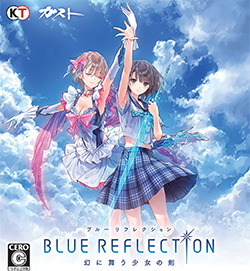 Blue Reflection on Switch
 Coloball 2002 on PS2
 Press Your Luck on PS3
 Game Dev Story on PS4
 Constantine on PS2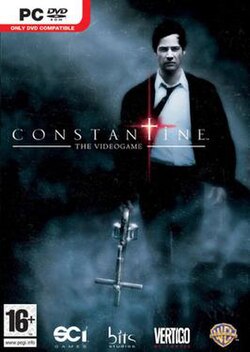
 Aiyoku no Eustia on Switch
 Atelier Sophie 2: The Alchemist of the Mysterious Dream on Switch
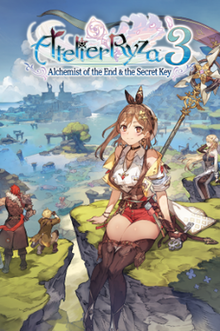
 Atelier Ryza 3: Alchemist of the End & the Secret Key on PS4
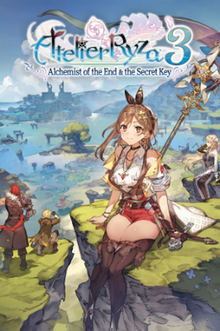 Atelier Ryza 3: Alchemist of the End & the Secret Key on PS5
 Atelier Ryza 2: Lost Legends & the Secret Fairy on PS4










 Another SquareThought Site