

 Jul 2026
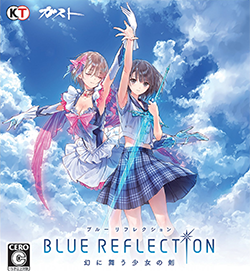

Blue Reflection was always selling itself as equal parts teenage drama and magical-girl RPG, and the Switch remaster finally lets you take that dramatic pas de deux on the go. The game pairs a day-cycle school sim - answer questions, text classmates via an in-game app, and manage friendships - with a turn-based Other World where monsters, ether bars and cooperative moves determine whether you survive another metaphor-heavy cutscene. If you like JRPGs that make you do three kinds of thinking at once - social resource management, party planning and split-second timing - this port tucks that trio into your backpack and hands you pointe shoes. This review zeroes in on what really matters for anyone trying to beat the game: the challenge design and the player skills required to tango with its systems, not just the story beats or the kawaii outfits.
Blue Reflection's challenge comes from juggling two lives: the real-world schedule of classes and friendships, and the Other World dungeon-sweeps where monsters test your decisions. On the surface the combat is classic turn-based JRPG: three heroes in your party, menus for attacks, supports and technics, and a visible turn-order bar. The trick is how many other systems feed into every battle so nothing remains purely mechanical. Relationships with classmates are not fluff. Your closeness unlocks support abilities and lets you assign up to four support characters per party member outside of combat. If you ignore the social side, your options in tough fights shrink fast. That makes time management and priority-setting crucial skills: you must allocate days to bonding activities or risk entering battles ill-equipped. Tactical planning is the bread and butter here. The game rewards preemptive strikes in the Other World: sneak up on enemies and you get the jump. That's obvious, but where Blue Reflection gets interesting is in how it layers cooperative moves and equippable fragments onto basic attacks. Cooperative moves let characters link powers for much larger effects, so positioning and choosing who learns what skills matters. Fragments - bits of emotion you collect by resolving classmates' problems in the Other World - can be slotted into skills to change their effects. This creates a light but meaningful build system: you're not just raising numbers, you're shaping how those numbers express themselves in battle. Choosing which fragments to equip becomes a small-scale optimization problem that can turn a slog into a dominant combo. Real-time timing adds a surprising twitch element to an otherwise deliberate system. Ether charging and the improved effects for recovery or guard depend on hitting a button at the right time, and the guard action morphs into a "reflect" against certain nightmare-tier foes called Pure Breeds. These Pure Breeds can wipe a party member in one hit, so learning to read their tells and nailing the reflect timing becomes a reflex skill. The game sits in an interesting spot here: you can approach it as a long-form strategy puzzle, but when a Pure Breed shows up it forces you into a short-term test of nerves. That clash of slow and fast challenge rewards players who can switch mindsets: plan your stat investments and support lineups in advance, then be ready to perform under pressure. Resource management shows up everywhere. Growth points earned from missions are spent on attack, defense, support or technic stats. The decisions you make here affect not only raw damage but whether certain cooperative or support moves are viable. Consumables and recovery strategies matter because some missions dole out evaluation points required to progress the story; if you waste turns or mismanage health the cost is repeat visits to the same dungeons to meet thresholds. Exploration skills are relevant too: learning the Other World's layout, finding emotion fragments, and deciding which classmates' problems to solve first all change the rewards you get. The game subtly pressures you to prioritize: do you grind a little more to power up before a story boss, or do you invest in relationships to unlock a powerful support move? Both paths are viable, but both require disciplined time and resource budgeting. Difficulty-wise, Blue Reflection isn't a Souls-like, but it does spike. Casual players can cruise through many fights, but the Pure Breeds and certain boss encounters demand precision. The game's design encourages preparation rather than brute force: pick the right supports for each frontline character, build cooperative chains, slot useful fragments, and don't forget to practice the timing minigames for ether and reflect. In other words, the set of skills that wins here is an oddball quartet: strategic planning, social prioritization, micro-level reflex timing, and inventory/upgrade discipline. If you enjoy puzzles where the pieces are both people and numbers, this one rewards patience and thoughtful experimentation.
Artist Mel Kishida's character work is the game's visual anchor. The remaster on Switch preserves the anime-style character designs that tilt between delicate and dramatic; if you came for pretty girls in bittersweet lighting, you're in the right lobby. Environments are modest - the Other World leans on surreal, mood-driven palettes rather than photorealism - which fits the game's themes about emotion and internal landscapes. The battle UI is clean and readable: the turn-order bar and icons make planning easier, even on the Switch's smaller screen. On the technical side, this release is a remaster bundled in Blue Reflection Quartet, so expect smoother textures and some quality-of-life tweaks compared to the original 2017 versions. The game's aesthetic choices help it age better than many contemporaries: it's not trying to sell you blockbuster lighting, it's selling atmosphere. That means the visual challenges never overshadow the gameplay - in fights you won't be squinting to figure out what does what. The Switch handles the experience capably for portable sessions, making it easier to dip in for a day-cycle or a single Other World run without losing context.
Blue Reflection on Switch is a game that asks you to be three types of player at once: the planner who rigs optimal builds and support rosters, the empath who invests time in classmates to unlock combat advantages, and the reflex player who can hit the right button when a Pure Breed screams "one-shot." That hybrid is why the game feels distinct: its challenges are never just about numbers but about how well you manage human relationships and tight timing windows. If those systems appeal, you'll find a layered, rewarding RPG that nudges you toward thoughtful play rather than button-mashing. If you want a clean, hard-as-nails challenge this isn't it - the high stakes are situational rather than constant - but if you like strategy with occasional bursts of tension and a heavy dose of teenage-emotion storytelling, the Switch remaster is a portable, attractive package. It's flawed in places and leans on social-sim trappings that won't be everyone's cup of tea, but for players who enjoy the mix of planning, people-management and timing-based gameplay, Blue Reflection is a graceful little duel worth learning the steps for.
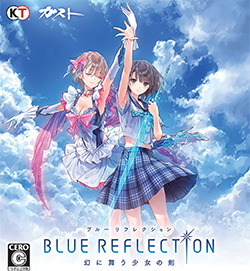 Blue Reflection Ray on PS5
 Blue Reflection Ray on Switch
 Combat Elite: WWII Paratroopers on PS2
 Control Resonant on PS5
 Gnosia on Xbox Series X/S
 Predecessor on PS4
 Atelier Ayesha: The Alchemist of Dusk DX on PS4
 Mana Khemia 2: Fall of Alchemy on PS2
 Ar Nosurge DX on PS4
 Atelier Escha & Logy: Alchemists of the Dusk Sky DX on PS4
 Atelier Escha & Logy: Alchemists of the Dusk Sky DX on Switch










 Another SquareThought Site