

 Dec 2018
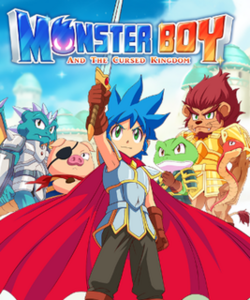

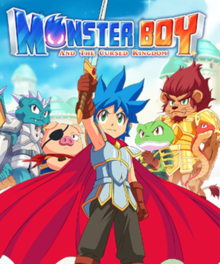
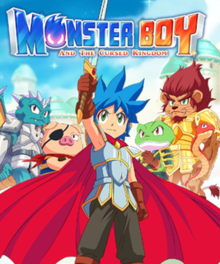
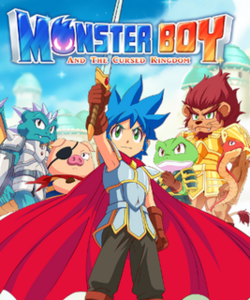
Monster Boy and the Cursed Kingdom wears retro gaming like a cape - slightly tattered at the edges, very colorful, and suspiciously full of secrets. If you've ever wanted a game that feels like it was designed by someone who fondly remembers blowing on Master System cartridges, but upgraded with modern polish and a budget for talented artists, this is it. The game's origins are a bit of a soap opera (Kickstarter canceled, name changes, a cheeky aborted subtitle referencing booze), yet what actually matters is that Game Atelier delivered a hand-drawn Metroidvania that nods hard to Wonder Boy while being its own silly, clever thing. You play as Jin, whose uncle gets into wizarding mischief and turns the kingdom into a four-legged zoo. Jin, naturally, becomes a pig (this is a family-friendly curse, not 'Hogwarts' related). The plot is classic fairy-tale-but-with-monsters and serves as a pleasant breadcrumb trail to get you from island to island, hub to hub, and secret to secret. The game shipped on Switch (and other platforms) in December 2018 and was generally well-received - critics loved the visuals and the old-school ideas remixed for modern tastes. If you want a platformer that makes you grin while occasionally punching a slime with a lion's head, keep reading. There are transformations, treasure, shops, a blacksmith, and at least one very dramatic teleportation altar - basically everything to keep a completionist and an expressway commuter equally entertained.
If you like the feeling of unlocking a new tool and then immediately running back to every area like a kid who just got a skateboard, Monster Boy will keep you busy. The core loop is Metroidvania: explore interconnected zones, find new abilities, and use them to open up areas that used to laugh at you. The clever twist - and the beating heart of the game's personality - is the transformation system. Jin collects five animal orbs and gains different forms, each with unique movement and puzzle-solving abilities. The roster reads like a menagerie designed by an imaginative zoologist: pig (nose for sniffing out hidden contraptions and clues), snake (venom spit, wall climbing and squeezing through narrow gaps), frog (swimming, tongue-swinging, and item-carrying), lion (dash and block-breaking), and dragon (flight and fire-breathing). Jin's human form isn't a weak human - it's the warp-capable form that can pass through special obstacles. You can switch between these forms once acquired, which turns backtracking into joyful experimentation rather than a chore. There's a lot of 'how on earth do I get up that ledge' followed by a triumphant 'oh, of course, the snake can crawl in there' moments - the kind of design that rewards curiosity. Combat is approachable: simple but satisfying. You have weapons and armor that you can buy at shops and upgrade using gemstones you find in the field. Many of these equipments change how you interact with the world (and sometimes introduce new strategies), so you wind up trying new loadouts for both efficiency and sheer silliness. There are magic spells available to Jin in human and pig forms, and enemies drop coins, hearts, and magic resources - classic platformer buffet. Exploration is aided by a map that gradually fills in as you move through the areas. The map even points you toward where you should go next, which is a merciful handhold when the temptation to wander becomes a detour into bewilderment. Fast travel teleporters eventually unlock, making island-hopping and revisiting previous sections far less of a slog. The save system is tidy: there are normal save altars and angel save altars (the latter fully restores your health). Dying is practically a chill, consequence-free experience: you return to the last checkpoint with no item or coin loss. This encourages experimentation - die testing enemy patterns or environmental traps, then shrug and try again without punishment. The Metroidvania progression is complemented by small RPG touches: health upgrades, magic upgrades, and pieces of a legendary golden armor that can be assembled and forged by a blacksmith. These bits of collect-a-thon goodness keep the completionists busy, and because the game tends to reward exploration with meaningful upgrades, the hunt never feels empty. Puzzles are mostly environmental and designed around your forms. Some challenges are delightfully fiendish and require thinking like a pig-nosed, tongue-flinging amphibian, which is both oddly specific and deeply satisfying. Boss fights are varied - sometimes a pattern-memorization test, sometimes a puzzle in a cloak. They won't make you rage-quit (usually), but they will make you re-equip and rethink the way you approach the fight. There's a decent difficulty curve: the game's comfortable for newcomers but still offers enough mechanical toys to please players who love mastering movement and timing. For the completionist crowd, multiple routes and secrets mean a single playthrough can pleasantly drag on. There's also a subtle, old-school charm in inventory management and shop upgrades that scratches that 'I want to be slightly overprepared' itch. The result is gameplay that is approachable enough to pick up and play on the bus, yet deep enough to make you map out routes and grumble lovingly when you miss a tiny passageway only the snake could fit through.
The visuals are where Monster Boy truly flexes. The team ditched their original motion-based sprite plan and went full-on hand-drawn animation, and the result looks like an animated children's book that learned kung fu. Backgrounds are lush, character animations are expressive, and the world is saturated with color and personality. Every form has distinct animation frames; the dragon looks majestic, the pig looks adorably offended, and the frog's tongue action is weirdly heroic. The soundtrack deserves a standing ovation delivered by a tiny orchestra of chiptune-loving bards. The developers assembled a dream team of composers - including Yuzo Koshiro, Motoi Sakuraba, and Michiru Yamane - and the soundtrack reportedly took two years and produced over 40 pieces. It shows. Themes are memorable without being overbearing, and music cues during exploration and boss fights ramp up tension or whimsy exactly when needed. There are even rearranged tracks nodding to past Wonder Boy games for those with nostalgic detectors. Performance on Switch is solid: the hand-drawn sprites and layered backgrounds run smoothly, and the game manages to be charming without bogging down. The UI is clean, the map is readable, and transitions between areas are handled in a way that rarely feels jarring. If you're picky about art direction, this one's almost guaranteed to win you over - it has the kind of craftsmanship that makes you pause to screenshot landscapes, then immediately wish you could wallpaper your real room with them. Graphical polish extends to the details: enemies have readable telegraphs, interactive objects feel tactile, and the world conveys character in its design (villages feel lived-in, caves feel mysterious, and odd merchants always look suspiciously like they know a secret). The game's palette shifts keep exploration visually engaging and prevent zones from blending together. It's a great example of form matching function: the art not only looks great, it helps you play better.
Monster Boy and the Cursed Kingdom is that rare remake-of-an-era-by-people-who-love-it product: a respectful nod to the past that doesn't get lost in imitation. It's polished, playful, and packed with enough transformations, tricks, and treasures to keep you hooked for a weekend or a few dozen. The Switch version is the natural home for its pickup-and-play vibe, and sales numbers suggest many Switch owners agreed. If you crave a Metroidvania that rewards curiosity and gives you a ridiculous roster of animal forms to abuse for puzzle-solving, this delivers. It's friendly to new players - thanks to generous checkpoints and an informative map - while offering layers of depth for players who want to optimize their routes and equipment. The hand-drawn visuals and carefully crafted soundtrack are icing on a very delightful cake. There are a few minor grumbles: the pacing can occasionally slow when you're stuck hunting for one tiny secret, and highly seasoned veterans might find the consequence-free death system makes the stakes feel a touch low. But those are small price tags for a generally joyful ride. Final verdict: if you like platformers with heart, humor, and more animal transformations than a Dr. Seuss convention, Monster Boy is a hearty recommendation. Consider this your official permission to swap forms, over-prepare at shops, and giggle at the pig's indignation - it's all part of the magic. Score: 8.6/10 - a very good, very charming Metroidvania that knows how to have fun without forgetting to be smart.
 Crash Bandicoot: The Wrath of Cortex on PS2
 MLB The Show 22 on Switch
 Ōkami on PS2
 The Wacky History of Platform Games
 Obscure: The Aftermath on PS2
 Cocoto Platform Jumper on PS2
 Monster Boy and the Cursed Kingdom on PS5
 Monster Boy and the Cursed Kingdom on PS4
 Monster Boy and the Cursed Kingdom on Xbox One










 Another SquareThought Site