

 Oct 2024


Neva rolls up to the Switch like a hand-painted postcard that accidentally brought a wolf and a sword with it. You play Alba, a quiet but capable woman, and you share the screen (and often the horror) with Neva, a wolf companion who starts as a clumsy cub and turns into a full-grown partner-in-mayhem over four seasons. On paper it's a side-scrolling puzzle-platformer with combat - simple. In practice it's a game that asks you to be equal parts nimble platformer, environmental detective, and reflex accountant. If you're the kind of player who likes your challenges to be elegantly designed rather than brutally unfair, Neva gives you a steady stream of puzzles, encounters, and bosses that reward timing, observation, and a gentle cruelty toward failing spectacularly until you learn the pattern.
Neva's gameplay sits on three pillars: platforming, companion management, and combat. Platforming is the baseline: Alba runs, jumps, double-jumps, short-air-dashes, and uses a fairly light-weight dodge. The game expects you to respect spacing and momentum. Many of the level puzzles hinge on how well you can chain a jump into a dash into another jump while eyeballing moving platforms or environmental hazards. There's no mid-level save wizardry here, so the design pushes you to repeat short sections while improving execution each run. That repetition is the fun kind - the one where you start to think in the level's language and the platforming begins to feel like dancing rather than flailing. Companion management is Neva's secret sauce and its primary mechanical wrinkle. You can call Neva to a specific place, and the wolf will respond depending on her age and ability at that chapter. Early on she's a timid cub who might need coaxing; later she will leap, break barriers, pull switches, and fight alongside you. The evolving companion means the game flips the skillset it requires as you progress. Early challenges test patience and timing (waiting for Neva to follow or coaxing her to jump), while later sequences expect you to use Neva proactively-positioning her, baiting enemies, or timing her assists to enable platforming that you physically can't do alone. Combat sits between elegant and slightly slippery. Alba wields a sword with two basic strikes - a horizontal and a vertical - plus chaining combos, which are crucial because they slowly regenerate lost health. That combo heal mechanic forces you to be aggressive enough to rebuild health, but not so reckless that you learn enemy telegraphs the hard way. Dodging and air-dashing are your best friends; many fights are about reconstruction rather than brute force. Enemy attacks are telegraphed, encouraging pattern recognition and positioning, but some critics argued the combat lacks pin-point precision - on Switch this occasionally shows as input leniency during big encounters. I found that for most regular enemies you can turn fights into rhythm exercises: read the swing, step, parry-with-a-jump, follow-up with a combo to get the health back and repeat. Boss fights, by contrast, are where Nomada leans into spectacle and mechanical variety. They are memorable because they often break the rules the game has established: now it's not just about reflexes but about using the environment, Neva, and limited windows to punish huge, slow attacks. Puzzles are environmental and usually layered. They never feel like 'find the one pixel' hunts; instead they ask you to manipulate seasonal mechanics, push-swap platforms, and sequence Neva's actions with yours. The seasons matter more than just aesthetics - each season introduces subtle physics or enemy types that change how you traverse a space. The winter segment, widely praised by critics, ramps the emotional and mechanical stakes: platforming gets icier, enemies get meaner, and the game starts to trust you with tighter windows and more punishing consequences. In short: the challenge curve isn't spiky for spectacle's sake. It's a staircase with occasional hurdles that force you to combine skills: platforming precision, timing, resource (health) management, and smart use of Neva's evolving toolkit. Skills required boil down to a short list: timing (for both platforming and reading attacks), spatial awareness (for squeezing combos and positioning Neva), patience (some sections ask you to observe and learn rather than brute-force), and adaptability (the game keeps introducing mechanics that are sometimes fleeting, so you need to grok them quickly). The developers added a story mode to soften the entry for players who want the art and story without the teeth, which is a thoughtful touch. But if you want the full polished challenge, standard mode rewards precision and experimentation. Expect to fail, re-run short sequences, and smile at the moment you finally sync a jump/dash/call-Neva combo just right.
Neva looks like someone painted a Studio Ghibli movie and then handed it to an animation department with too much time and zero shame. The visuals are its loudest brag: hand-drawn character animation, expressive seasonal palettes, and incredibly fluid transitions between player and companion actions. Animation won actual industry awards, and you can feel why - Neva's movements and Alba's gestures communicate intent and emotion so clearly that you'll start timing your inputs based on how a character looks as much as how the level cues them. The clarity of animation also helps with the challenge: readable enemy wind-ups and distinct movement cues mean the game rewards observation. A gripe to mention is that the combat's slightly loose feel can sometimes be blamed on the way Switch's controls map to those animations; the game's weighty, graceful visuals occasionally clash with the exactness needed for high-precision combat. Still, the overall tech/art package is polished enough that the environments themselves become a partner in learning the mechanics - you'll recognize attack patterns from silhouette and react before the sound hits. Sound design and music deserve a quick shout too. The score swells and tugs at the heartstrings in the right moments, and sound cues are usable as mechanical information: bosses telegraph through audio as well as animation, so players who pay attention to both sight and sound will convert more deaths into wins. The minimalistic voice design - basically Alba calling Neva - is both charming and functional: it gives you timing hints and emotional beats without a wall of subtitles or cutscene weight.
Neva is a rare kind of indie that marries aesthetic ambition with a solid, thoughtfully tuned set of mechanics. If you're playing on Switch and you care about challenge, this game will offer you a steady diet of satisfyingly difficult sections and several boss fights that demand you use everything you've learned. The difficulty sits comfortably: it's not masochistic, but it refuses to hold your hand. Expect to hone timing, learn enemy rhythms, and orchestrate maneuvers with your canine co-op partner. The criticism that combat isn't brutally precise is fair; there are moments where a frame-perfect expectation clashes with the game's weighty animation and Switch input nuances. Still, for most players those are small potholes on a beautifully drawn road. If you want a platformer that asks for your reflexes and your empathy in equal measure - where the challenge is both mechanical and emotional - Neva is a very strong pick. Play it in normal mode if you want the full challenge curve; switch to story mode if you're here mainly for the art and narrative. Either way, you'll probably cry at least once, and then feel smug about having earned that tear by nailing a perfect dash-jump-call-Neva triple that finally lets you beat a boss you thought would haunt your dreams. In short: pretty, poignant, and pleasantly demanding - like a difficult homework assignment from a teacher you secretly liked.
 Twinbee Taisen Puzzle Dama on PlayStation
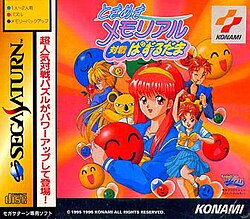
 Tokimeki Memorial: Taisen Puzzle-Dama on PlayStation
 Professor Layton and the Last Specter on DS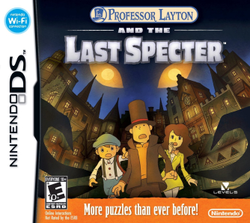











 Another SquareThought Site