

 Aug 2025


In an era when kart racers were largely defined by Nintendo's crown jewel, bringing licensed mascots into kart shells felt like printing money and childhood smiles. Nickelodeon Kart Racers is the kind of licensed spin-off that, on paper, reads like a winning mixtape: SpongeBob here, Rugrats there, sprinkle in some Ninja Turtles and Hey Arnold!, add Mario Kart-style track design and items, and serve hot nostalgia to a generation who consumed Saturday-morning cartoons like oxygen. The reality that sits in your Switch is less a mixtape and more a demo cassette: competent enough to make you remember why you liked the songs, but rough around the edges and very short on memorable hooks. This review approaches the game as a serious 1990s reviewer would-armed with cynicism, a fastidious eye for design, and the faintly obsessive need to compare everything to the best example of the genre.
Nickelodeon Kart Racers supplies a modest but functional racing loop. You pick one of twelve characters-SpongeBob, Patrick, Sandy, Tommy, Reptar, Angelica, Arnold, Helga, and the TMNT quartet-each delivered with a cartoony model and a handful of paint jobs and parts. The game ships 24 courses and eight arenas, many of them riffing on recognizable locales from the shows. Races are standard: drift boosts, collectable power-ups, coins to spend on kart parts, and a team-based co-op mode where a second player can wield a hammer to disrupt the opposition and generate an advantage. There's also customization-tires, engines, spoilers, jet skis and paint jobs purchasable with course-earned coins-and special modes such as slalom and elimination for slime-centric tracks. From a mechanical standpoint, the skeleton of a solid kart racer is present. Steering is responsive, basic drifting is serviceable, and the item pickups offer occasional chaos. That said, the game rarely reaches the addictive 'one-more-race' loop of its illustrious contemporaries. AI rubber-banding is inconsistent: sometimes it lets you breathe, sometimes it yanks you back into last place with the subtlety of a pie in the face. Power-ups feel under-tuned; many are little more than temporary inconveniences rather than game-changing implements. The team-based co-op is a laudable attempt at innovation, but the implementation is thin. Wielding a hammer to thwart other teams is funny for two laps, then it reveals itself as a shallow gimmick without strategic depth. Customization exists but is cosmetic more often than not-upgrades rarely translate into dramatically different handling or race outcomes. Where the gameplay truly stains itself is in content curation and presentation. The roster, while nostalgic, is peculiarly sparse considering Nickelodeon's treasure trove of IPs; many fans will wonder why Fairly OddParents, Invader Zim, Jimmy Neutron, Avatar, or Loud House were left in the parking lot. The lack of voice acting-characters mostly skitter around without speech-feels like a cost-saving cut that robs the game of personality. For a title that trades on childhood memories and character charm, silence is an odd choice. Finally, online modes are absent at launch, so all multiplayer is local: retro in spirit, but limiting in modern practicality.
The game's visuals read like a Saturday-morning cartoon forced into a 3D engine with a budget and timeline that were politely asked to hurry. Character models are recognizable and occasionally charming in a plastic-anime way, but textures are soft to the point of mussed cardboard and pop-in is a frequent companion on larger maps. Lighting is flat; environments lack the layered detail that turns a racetrack into a place with character rather than a corridor with themed props. Slime effects and a few signature Nickelodeon touches attempt to inject authenticity, yet they often land as low-res decals rather than immersive mechanics. On the Nintendo Switch, performance is adequate but far from stellar. Frame pacing hiccups and occasional frame-drops show up during crowded sequences, and the docked/handheld visual trade-off is more pronounced than it should be. Sound design is an equally mixed bag: the soundtrack is jaunty and leans into the shows' musical DNA, but audio quality is thin and there's a noticeable lack of voice-over, which contributes to an overall sterile soundtrack presence. In short, the audiovisual package is competent enough to recognize the characters and tracks, but it lacks the polish and personality required to make the world feel lived-in or the races cinematic.
There is a genuine kernel of fun in Nickelodeon Kart Racers: the idea of seeing toddlers, sea sponges and shell-wearing turtles rumble on the same asphalt has an undeniable grin factor, and in short bursts the racing is pleasant enough to entertain. As a full retail product, though, it feels like a stopgap-something conceived to scoop nostalgia dollars rather than to move the kart-racer genre forward. The limited roster, sparse presentation, lack of voice acting, and thinly implemented innovations combine to make an experience that sits firmly below the expectations set by the best arcade kart racers of the 1990s and beyond. If you are a parent shopping for a quick, local-multiplayer title to keep kids occupied for an afternoon, or a casual player who wants forty tracks of Nickelodeon-themed distraction, there's value here. For aficionados of kart racing who measure games by depth, balance, and polish, this will likely disappoint. The follow-up titles that arrived later suggest the series heard this critique, but as it sits on the Switch cartridge, Nickelodeon Kart Racers is a nostalgia-flavored appetizer that never quite becomes a main course. It is competent, occasionally charming, and frequently forgettable-like a cartoon rerun that makes you smile, then makes you wonder why you turned it on in the first place.
 Crash Nitro Kart on PS2
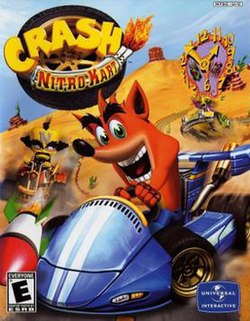 Nickelodeon Kart Racers 3: Slime Speedway on PS5
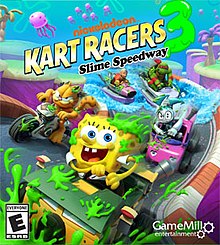 Roary the Racing Car on DS
 Team Sonic Racing on Switch
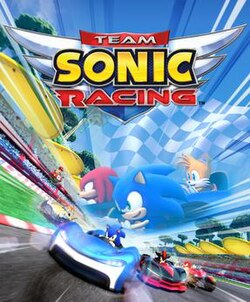 Garfield Kart: Furious Racing on Switch
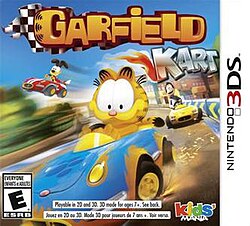 Ben 10: Galactic Racing on PS3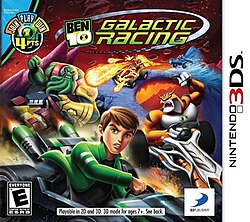
 Nickelodeon Kart Racers 3: Slime Speedway on Xbox Series X/S
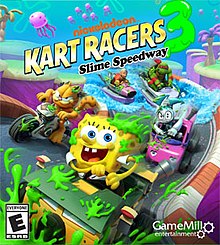 Mighty Morphin Power Rangers: Mega Battle on PS4
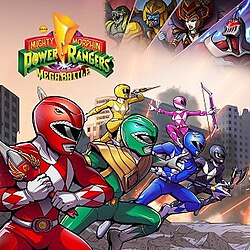 Mighty Morphin Power Rangers: Mega Battle on Xbox One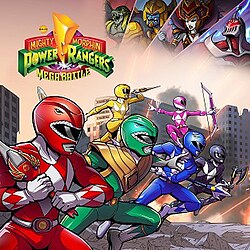










 Another SquareThought Site