

 Feb 2019
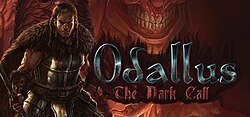

In an era when the industry often glances nervously at next-gen specs and photorealistic hair physics, Odallus: The Dark Call arrives on the Nintendo Switch like a sternly worded postcard from 1989. Built by Brazilian indie house JoyMasher, this one-man shout to the NES and early 16-bit action-adventures wears its influences like a well-oiled leather jacket - proud, slightly musty, and entirely deliberate. The premise is gloriously operatic in its simplicity: demons torch a village, a boy is stolen, and Haggis, our broad-shouldered protagonist, sets off to restore filial order with a blade and an attitude. For the purists who keep a shrine of cartridges beneath their CRTs, Odallus is the sort of game that will make them squint, nod, and mutter approvingly into an old copy of Electronic Gaming Monthly. For everyone else, it's a compact, well-crafted demonstration of how retro aesthetics and modern design sensibilities can get along without having to hold hands and hummingly sound like a synth band from a mall food court. The Switch port - released in February 2019 after an initial Windows debut in 2015 - makes one welcome concession to modernity: portable blood-and-platforming. The result is an experience that feels like pulling a classic game off the shelf and finding a fresh layer of dust on the cartridge label. This is not a reboot; it's a loving laundry list of homages with enough original teeth to bite back.
Odallus plays like a postcard from the era of limited lives and unlimited stubbornness. You control Haggis, who can run, jump and strike with a sword that starts life as something a liberated popsicle stick would be ashamed of. From that humble beginning, RPG-lite mechanics and exploration reveal themselves: find better gear, snag items that grant new mobility, and return to previously daunting areas to pluck secrets like low-hanging fruit. The structure sits squarely in Metroidvania territory while tipping its hat to Castlevania III and classic NES platformers. Levels are populated with enemies that telegraph their strikes in ways pleasing to anyone who learned timing at the school of 'you-die-and-then-you-learn.' Each stage culminates in a boss; the good news is that the map design rewards attention and curiosity - uncover secret shortcuts and bosses get closer, which is a polite way the game has of saying "stop backtracking, you magnificent coward." Subweapons - thrown axes, torches and similar everyman tools of medieval mayhem - exist and have limited uses. The HUD keeps you honest; item counts blink like a chastising parent when they run low. The upgrade systems are modest but meaningful. Equipment upgrades feel earned rather than tacked on, and the satisfaction of turning a fragile blade into a proper instrument of reform is an old-school pleasure. Difficulty is not shy. A November 2015 update to the PC version added a "Veteran Mode," and the game carries that same uncompromising streak on Switch. Expect moments that will make you set the Joy-Con down, stare at the ceiling, and contemplate whether you can still feel anything in your thumbs. The challenge is deliberate; it's not difficulty for difficulty's sake but rather an insistence on precision. If you resent trial-and-error, Odallus will not pander. If you relish that sense of incremental mastery - learning enemy patterns, perfecting a jump, shaving seconds off a dangerous dash - you'll be in comfortable, blood-splattered trousers. The narrative is a brisk Gothic one: demons, a cult, shards that form the Odallus orb, and a tragic reveal that Haggis's son has been aged and corrupted. The ending does something games of the retro vein rarely do - it leans into melodrama and gives it teeth. After you stab, regret, and obliterate a throne room the old-fashioned way (with catastrophic remorse), there's a post-credits beat that implies the story might not be finished, which is a tidy bit of storytelling economy. Controls on Switch are tight. JoyMasher's design ethos is visible in every jump arc and attack window; nothing feels sloppy. For players who want to relive the 'beat-the-boss-and-then-coin-eat-your-controller' cycles of yesteryear without actually owning a CRT, Odallus is a clean bridge between nostalgia and accessibility.
Visually, Odallus is unapologetically pixelated: a gleaming, lovingly animated pastiche of the NES and early 16-bit periods. Characters bob and flail with the comic dignity of sprite art done correctly, and the backgrounds carry a brooding, gothic palette that sells the castle-and-demons motif without ever resorting to muddy sludge. The animation frames are purposeful; enemy movement is readable at-a-glance, which is crucial for a game that asks you to react before you cry. On the Switch, the pixel work scales admirably, whether docked on a TV or hugged in handheld mode. Colors are bold, contrast is clear, and there's a tactile sense to every surface - stone, wood, molten whatever-that-is - that feels like the game knows you enjoy tactile things displayed on screens. The soundtrack and sound design complement the visuals in a manner befitting the era the game emulates: jaunty, occasionally ominous chiptune that knows how to make a boss entrance feel like the main event. The presentation avoids the trap many retro-tinged titles fall into: it never uses nostalgia as a crutch. The art and animation are competent, occasionally delightful, and consistent. If you're expecting modern particle explosions and hair simulation, you will be offended; if you're expecting pixel artistry that does its job and then smiles smugly, you will be rewarded.
Odallus: The Dark Call is not a museum exhibit; it's a communiqué. JoyMasher has crafted a game that remembers the virtues of an earlier generation - compact levels, meaningful challenge, and the sharp satisfaction of learning by doing - and wrapped them in tidy, modern packaging for the Switch. The plot is performative Gothic fluff in the best possible way: it provides stakes, a couple of emotional surprises and an ending that lingers. The gameplay loop is tight, the difficulty is old-school but fair, and the pixel art is earnest to the point of charm. There are, of course, compromises. The homage occasionally flirts with imitation, and players who demand constant novelty will find themselves tapping a foot for something more revolutionary. Yet the voice here is confident rather than derivative. Critical consensus has been largely favorable - Metacritic sits in the 80 range and several outlets showered praise on the game's faithful design - and I find that appropriate. For Switch owners who keep a soft spot for the gnarly, unpolished pleasures of platform-adventure games, Odallus is a portable relic worth picking up. Put on your sternest expression, tuck your nostalgia into your pocket like a greasy quarter, and play it like a serious adult who remembers what it means to save at the inn. You won't find a thousand innovations, but you will find a well-crafted, stubbornly enjoyable game that understands the value of being good at the things it sets out to do. Score: 8 out of 10.
 Dark Cloud 2 on PS2
 Dark Souls II on PS3
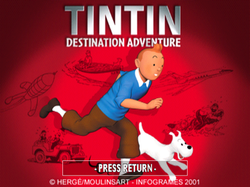
 Tintin: Destination Adventure on PlayStation
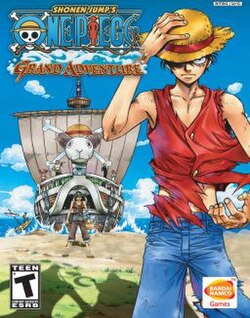
 One Piece Grand Adventure on PS2
 Taiko no Tatsujin: Don to Katsu no Jikū Daibōken on Switch
 Taiko no Tatsujin: Dokodon! Mystery Adventure on Switch
 Blazing Chrome on PS4










 Another SquareThought Site